
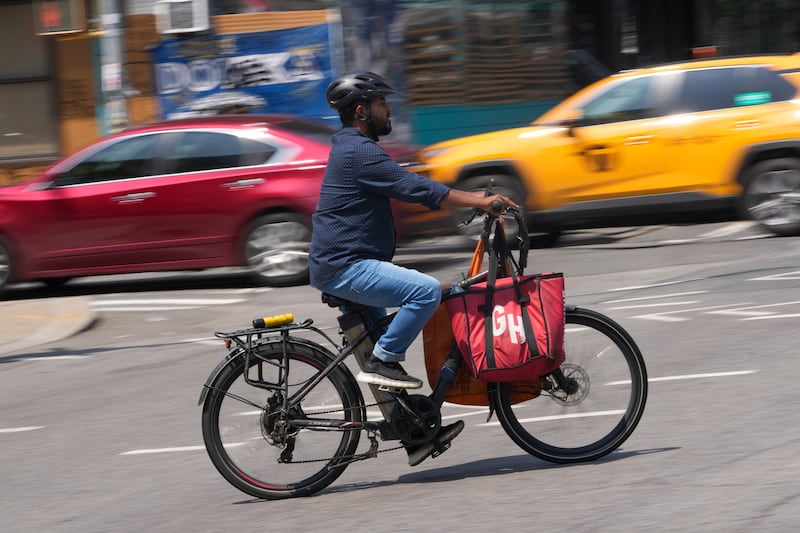

America didn’t just eat in 2025 — it “foodmaxxed.”
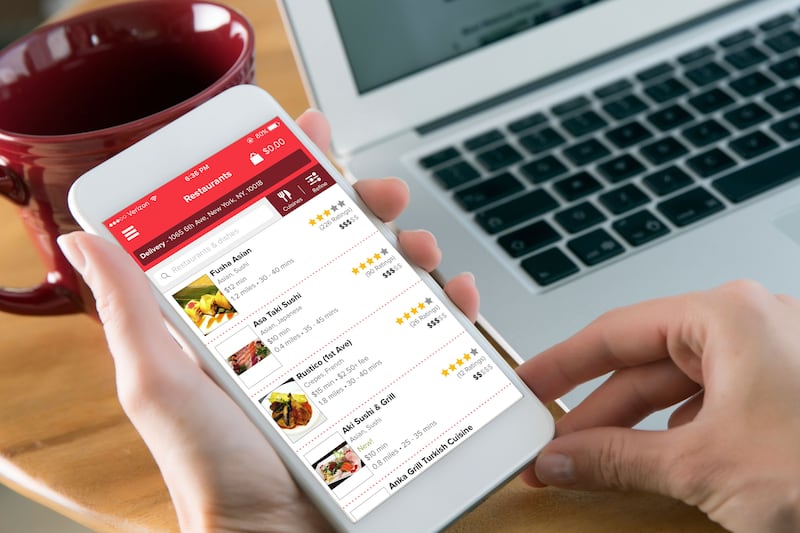
At least, that’s how Grubhub describes the year in its new 2025 Delivered Report, which analyzes orders placed on the platform between Jan. 1 and Oct. 15. The company says customers weren’t just chasing flavor; they wanted food that promised gut health, energy, protein and a little social media aesthetics.
But behind the playful branding and buzzy phrases, the data also raises questions about shifting diet culture, the cost of “wellness,” and who gets left out when food becomes another performance.
Beans and tinned fish: Grandma’s pantry, Gen Z’s trend
The report’s breakout stars are beans and tinned fish — ingredients that sound more like Depression-era pantry staples than 2025 heroes.
According to Grubhub, grocery bean orders jumped 135%, totaling more than 1.5 tons of legumes delivered throughout the country.
Instead of simple pots of beans stretched to feed a family, the 2025 version shows up as dense salads packed with chickpeas, black beans and kidney beans — marketed online as fiber-rich, gut-friendly “wellness lunches.” Los Angeles led the nation in bean orders.
Tinned fish followed a similar arc. Grubhub says canned fish orders tripled, with grocery purchases up 209% over 2024. What might once have been a quiet, budget-friendly pantry item is now arranged on curated boards with sourdough, pickled vegetables and olive oil — photographed and posted as elevated eating. There’s even an influencer with over 1 million followers on Instagram and TikTok who dedicates his posts to taste testing every preserved fish he can find.
The ingredients are familiar; the context is not. In past generations, beans and canned fish often signaled frugality or necessity. In 2025, they can signal wellness literacy, food culture awareness and enough disposable income to turn simple items into aesthetic spreads.
From low-fat to protein-packed
If the ’80s and ’90s were marked by low-fat snacks and early-2000s diet culture focused on restriction, foodmaxxing is about what food promises to do for a person.
Grubhub reports that protein-labeled grocery items on its platform increased nearly 20%, showing up in everything from cookies to popcorn to cinnamon rolls. At the same time, chicken remained the protein king: diners ordered more than 750 nuggets, tenders and strips every hour — about 5.2 million this year — and in the largest cities, 76% of chicken orders included nuggets.
It’s a shift from calorie counting to feature hunting: protein, fiber, energy. But it may not be as simple as high protein equals high health.
Nutrition experts have long warned that single-nutrient obsessions can crowd out more balanced conversations about overall diet quality, affordability and access. The Mayo Clinic warns that protein-heavy diets can risk not getting enough nutrients or fiber.
Grubhub’s data doesn’t show whether these protein-heavy choices are part of a balanced eating pattern, only that diners using the app are leaning hard into the macro.

Eggs, convenience stores and the post-pandemic reset
Eggs, which have swung between shortages, price spikes and nutrition debates over the past decade, are in what Grubhub calls their “redemption arc.”
Grocery egg orders climbed 58%. The report ties that to protein-forward breakfasts, meal-prep culture and the rise of “egg flights” on social media — multiple egg preparations sampled side by side.
The most-ordered egg dish on the platform: the sausage, egg and cheese sandwich, led by New York, Los Angeles and Chicago.
Convenience stores, typically associated with soda and candy, also show a shift. Grubhub says the top convenience-store orders weren’t snacks but hot, protein-heavy items like taquitos, chicken rollers and hot dogs.
There’s a tension here: a push toward efficiency and function, but still anchored in ultra-processed, grab-and-go items. A recent three-part study in The Lancet reports that ultra-processed food is now linked to harm in every major human organ.
Hydration, electrolytes and the wellness arms race
The report also insists that hydration is having a moment.
Grubhub delivered more than 76,000 electrolyte drinks per month, as people turned hydration into a routine for recovery, focus and productivity. It’s a far cry from the “just drink more water” advice of earlier decades and reflects the broader trend of turning basic bodily functions into lifestyle projects.
Again, it raises questions. Do most people really need high-tech hydration for a desk job and light exercise, or is this another case where marketing, influencers and algorithm-boosted trends push “optimization” as the norm?
Dr. Sara Rosenkranz told the American Heart Association that for some, electrolyte drinks can be good. “For most people,” though, she says, sufficient electrolytes are found in balanced diets and these drinks are “just really not necessary.”
Still, the patterns are revealing. Foods that once symbolized thrift — beans, canned fish, eggs and drink powders — are back in the spotlight, wrapped in wellness language and social media style.
Whether that adds up to better health or just more pressure to perform food choices online is a question the report doesn’t answer.