
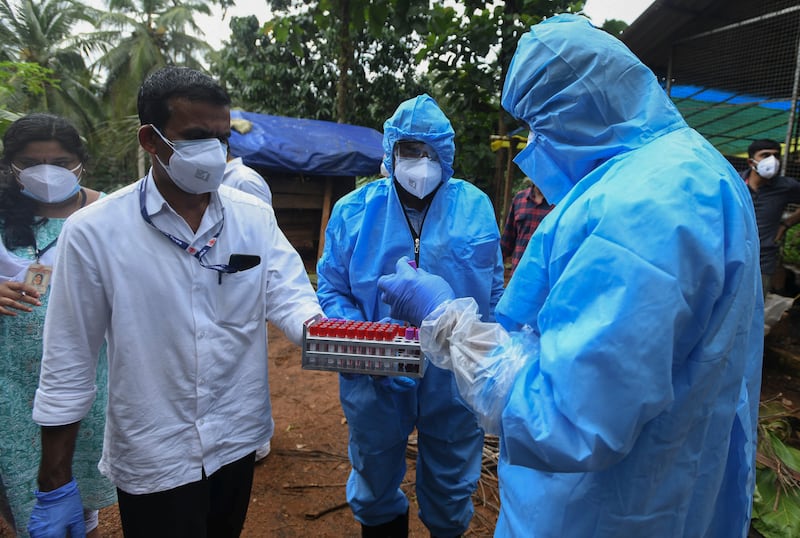

Indian health officials are working to contain an outbreak of the deadly Nipah virus that was recorded in West Bengal, a situation that has been confirmed by the Thai government and India’s National Center for Disease Control.
There are two cases that have been reported, involving two nurses at a private hospital near Kolkata, West Bengal, The Telegraph and The Independent reported.
So far, 180 people have been tested and 20 individuals have been asked to quarantine, both reports continued.
One patient is reported to be in critical condition, Narayan Swaroop Nigam, principal secretary of the health and family welfare department in West Bengal, told The Telegraph.
Officials noted the outbreak is “not major.” However, it has still prompted high-priority responses from officials.
“Given the serious nature of Nipah virus infection, which is a zoonotic disease with high mortality and potential for rapid spread, the situation is being handled with utmost priority,” a senior Health Ministry official said, according to Indian newspaper The Hindu.
No travel bans to India are currently in place, but neighboring countries have begun tracking and prevention regulations that are similar to those used during the COVID-19 pandemic, as reported by The Independent.
In response to the outbreak, Thailand’s Department of Disease Control issued a press release Friday stating that officials will “monitor and screen travelers at international communicable disease control checkpoints.”
For travelers with a “high fever or symptoms compatible with Nipah virus infection, additional screening will be done at the international communicable disease control checkpoint,” according to Fox News.
The department’s director general warned the virus “can cause neurological symptoms and has a relatively high death rate.”
What is Nipah virus?
The World Health Organization defines Nipah as a zoonotic virus that is transmitted to people from animals, contaminated food or through person-to-person contact.
The virus was first recognized during a 1999 outbreak in Malaysia and Singapore. Since then, outbreaks have occurred in Bangladesh and India. Infection is often linked to consuming fruit or fruit products contaminated with urine or saliva from infected fruit bats, WHO says.

Since the first outbreak, subsequent outbreaks have been recorded in South Asia, parts of northeast India and several areas in Bangladesh.
In India’s case, the state of Kerala reported its first Nipah outbreak in 2018. Outbreaks have typically been limited to rural or semi-rural areas in South and Southeast Asia where human contact with infected bats or other animals is more likely, per WHO.
Symptoms and treatment
Symptoms of those infected range from asymptomatic infection and acute respiratory infection to seizures and fatal encephalitis (brain swelling).
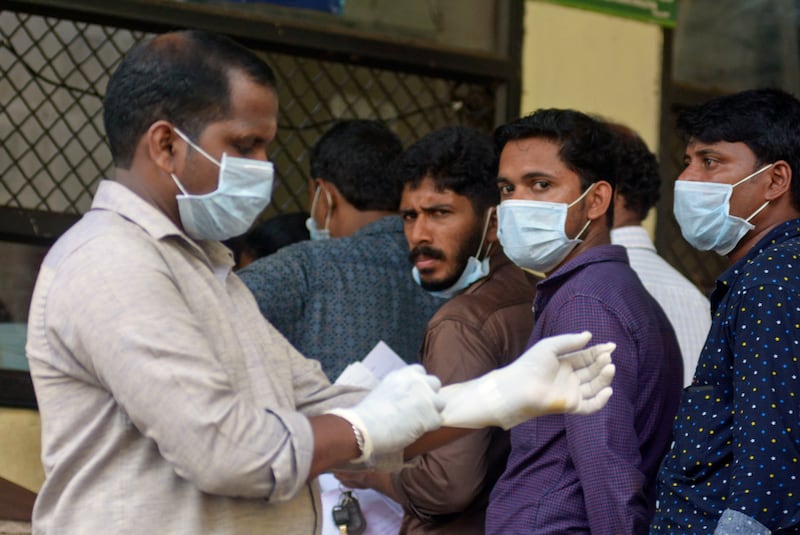
The Centers for Disease Control and Prevention says people with Nipah are usually sick for 3 to 14 days after symptoms manifest and usually experience fever, headache, cough, sore throat, difficulty breathing, with more severe symptoms including brain swelling or encephalitis.
As the infection progresses, patients may experience confusion, drowsiness and seizures. Severe cases can result in a coma within 24-48 hours.
There are currently no licensed treatments or vaccines for Nipah. Treatment is limited to care like rest, hydration and treatment of other symptoms, according to the CDC.
How deadly is the Nipah virus?
The virus can cause mild to severe infection, with a fatality rate estimated to be between 40% and 70%, depending on the strain and local health care response, according to WHO.

Survivors may face long-term neurological effects, such as persistent seizures or changes in personality, according to the U.K. Health Security Agency.
Currently, there are no reported cases of the Nipah virus in the U.S.
How to prevent the Nipah virus
India’s Ministry of Health shared tips on how to prevent infection of the Nipah virus on X, which includes avoiding exposure to sick or dead animals and avoiding eating half-eaten fruit that has fallen from trees.