
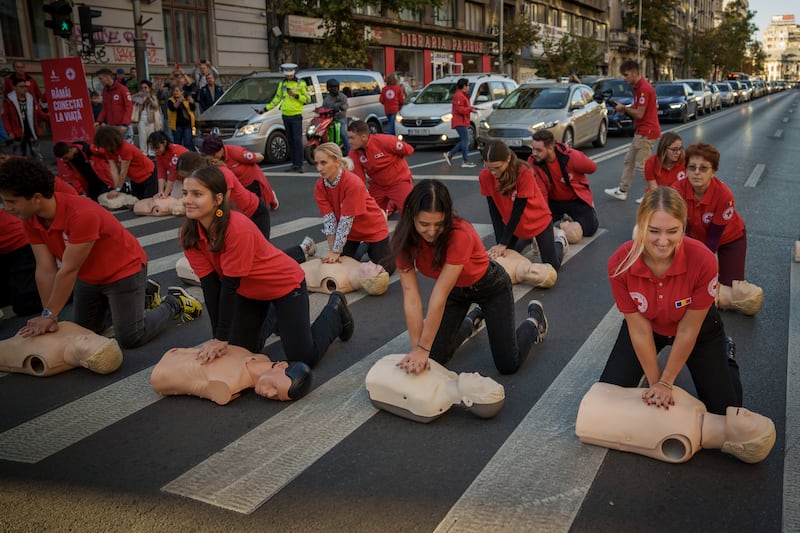

To maintain an accurate rhythm during CPR, rescuers for decades have relied on the Bee Gees “Stayin’ Alive” to keep pace. Beyond that, the American Red Cross recommends a playlist of modern songs for CPR that includes Dua Lipa’s “Levitating” and Post Malone’s “Circles.” But if you’re relying on your favorite pop culture TV drama to teach you the rest of the steps, you might be getting the wrong message.
While CPR can double or triple survival rates for the more than 350,000 people who suffer cardiac arrest annually, a new analysis shows that television is stuck in the past, teaching viewers outdated techniques.
In 2008, the American Heart Association began endorsing hands-only CPR, a method proven as effective as traditional CPR at delivering oxygen to vital organs.
The hands-only method involves just two steps: Call 911 and start chest compressions.
“In my volunteer work training Pittsburgh youth in CPR, there’s a lot of confusion,” said Beth L. Hoffman, assistant professor of behavioral and community health sciences at Pittsburgh Public Health. “We ask students, ‘What’s the first thing you do?’ and they say, ‘Check for a pulse.’ But we don’t do that in bystander CPR anymore.”
The study, conducted by the University of Pittsburgh School of Public Health and School of Medicine, was inspired by pre-course surveys where students reported seeing CPR performed on social media and television, Hoffman shared.
TV stuck in the past
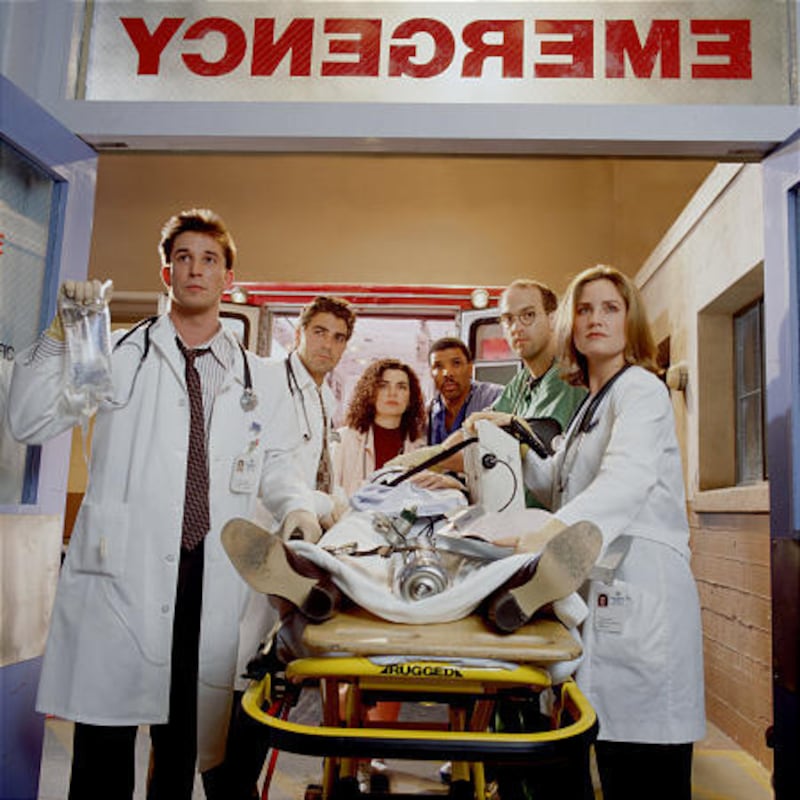
Researchers found a disconnect; of more than 160 U.S. episodes featuring CPR since 2008, only 30% of episodes showed the process correctly.
Nearly half the episodes showed outdated practices, including mouth-to-mouth resuscitation (48%) and pulse checks (43%).
Ore Fawole, a recent graduate of Pitt who led the coding and analysis for the project, shared that those portrayals “can potentially skew public perceptions.”
Fiction versus reality
The analysis found more disparities:
- Age: On screen, 44% of recipients were between 21 and 40 years old. In reality, the average age of a CPR recipient is 62.
- Location: In the episodes studied, 80% of CPR events occurred in public. In the real world, 80% of out-of-hospital cardiac arrests happen at home.
“If viewers think cardiac arrest only happens in public or to young people, they may not see CPR training as relevant to their own lives. But most cardiac arrests happen at home, and the person you save is likely someone you love,” Fawole added.
The study did find one area where fiction more closely mirrored reality; demographics. Most on-screen victims receiving CPR were white men. In real-world situations, women and Black and Latino individuals are less likely to receive bystander CPR than white men, the study noted.
“Whether this is reflecting reality or whether it’s shaping reality, we don’t know, but that would be a good question to explore in future studies,” Hoffman said. She encouraged public health experts and content creators to collaborate to ensure accurate depictions that empower viewers to act.
Any action is better than none
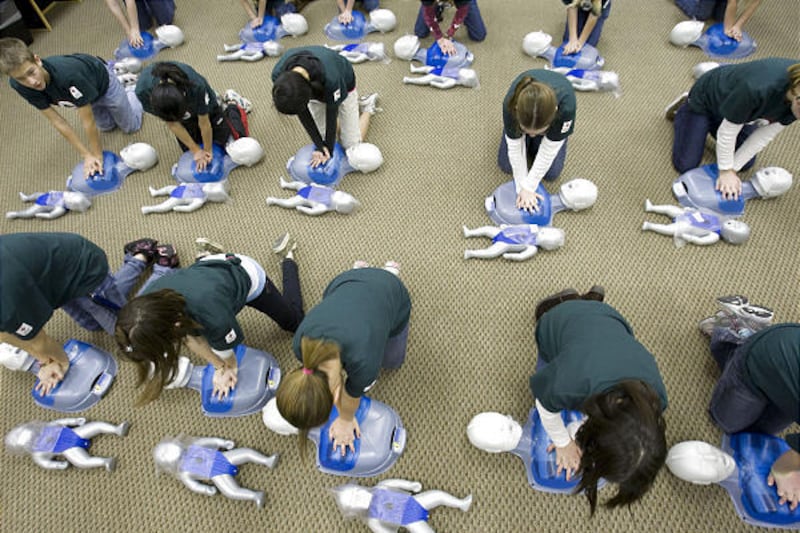
Dr. Elizabeth Hewett Brumberg, a pediatric emergency physician at Children’s Hospital of Pittsburgh of UPMC and a member of the American Red Cross Scientific Advisory Council, noted that while accuracy matters, the goal is action, according to Healthline.
“I would stress that any CPR is better than no CPR,” said Brumberg, who was not involved in the study. “If watching a show empowers somebody to attempt bystander CPR when they otherwise would not, I think that’s a win rather than a loss.”