



Food insecurity is impacting communities nationwide, and Utah is no exception. To help feed kids and families in need, the Utah Food Bank is holding its fifth annual Feed Utah statewide food and fund drive that began March 7 and will run through March 14.
Donations collected during the week will go toward providing meals for an estimated 445,000 Utahns — including 1 in 5 children — who don’t know where their next meal will come from.
As the new year progresses, the “post-holiday crunch” continues to put a strain local resources for those in need.
“January hits, and a lot of people feel that post-holiday crunch,” Tom Hogan, chief executive officer at Community Action Services and Food Bank, told KSL. “Everything that we’ve had donated has pretty well been depleted in those first couple months of the year.”
The Utah Food Bank shared several ways for residents to help fight food insecurity this week.
How to participate
Donating can be integrated into a daily routine. Collection bins are available at Lee’s Marketplace, Bella’s Market, Macey’s, Dan’s, Dick’s Market, Lins, Fresh Market, Digby’s Market, Peterson’s Fresh Market, Stewart’s Marketplace and Davis Food & Drug locations. Several locations will also have case lot sales to make donating more affordable.
Residents can also organize local food drives. Collected items from neighbors, co-workers or church groups can be dropped off at the participating locations listed above on Saturday, March 14, from 9 a.m. to 2 p.m, the Utah Food Bank said in a statement to Deseret News.
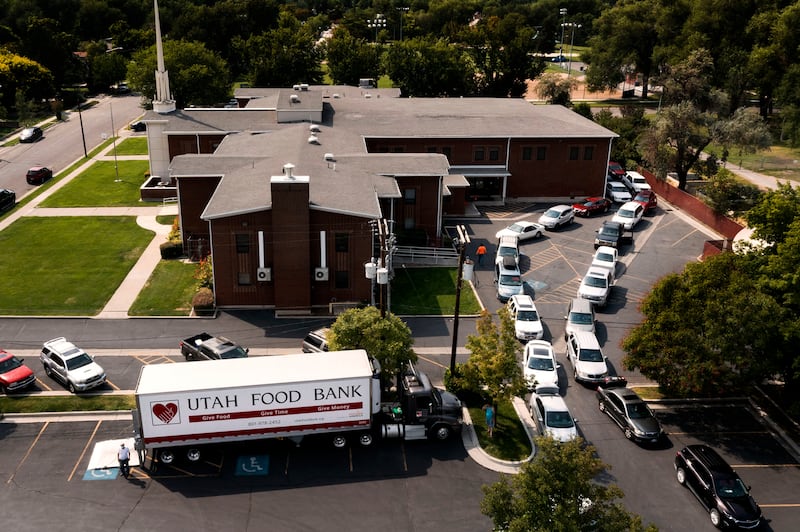
Those unable to donate in person can contribute online. All donations will be matched dollar-for-dollar up to $50,000. According to the Utah Food Bank, every dollar donated provides $14.46 worth of goods and services to those facing hunger.
“As grocers, we see every day how food brings families together,” said David Rice, president and CEO of Associated Food Stores. “Supporting Feed Utah is a natural extension of our role — helping ensure that every table across our state has access to the nourishment it deserves.”
Most-needed items
“Without immediate community support, the food bank risks being unable to meet the needs of local families,” Community Action Services and Food Bank shared in a statement with KSL.

The most-needed items include the following:
- Beef stew
- Chili
- Peanut butter
- Boxed meals
- Canned meats
- Canned fruits and vegetables
Items donated should be nonperishable, nutritious and commercially packaged (non-glass).
“This food drive comes at a critical time,” said Ginette Bott, president and CEO of Utah Food Bank in a statement to Deseret News. “As support from the holiday season begins to slow, far too many Utah families are still struggling with the high cost of living and uncertain access to food. Feed Utah gives everyone a simple way to make an immediate impact — whether by donating food while they shop, organizing a community drive or giving online. When we come together statewide, we can provide meaningful relief and hope to thousands of our neighbors facing hunger."
Nationwide food insecurity
Utah’s crisis mirrors a national issue. According to Feeding America, 48 million people in the U.S. face food insecurity, including 14 million children. Last year, more than 50 million people turned to food banks and pantries for assistance.
Food insecurity is rarely caused by a lack of food, but rather by systemic “roadblocks” that keep people from getting the food they need to “live well,” Feeding America detailed.
These include a lack of reliable transportation, low wages, job loss or disabilities. Additionally, the rising costs of rent, health care and utilities often force families to reduce their food budgets.