

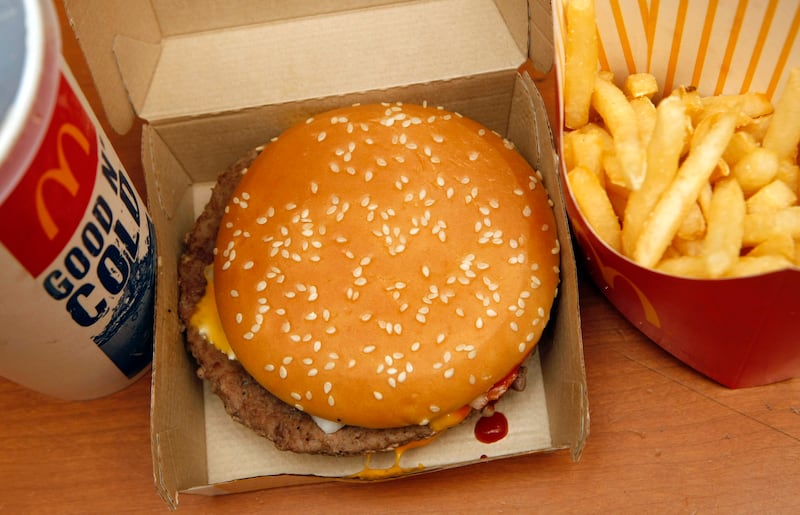

Peanut butter and jelly, biscuits and gravy, milk and cookies, eggs and bacon, and a burger and fries.
These are age-old classic combinations that are comforting and, for many, an affordable go-to treat. However, as inflation impacts Americans nationwide, one of these pairings is stretching further out of reach: burgers and fries. Or at least that is the perception.
Researchers at NetCredit set out to find the best value burger from major chains. The study found that a bigger burger doesn’t always mean more protein, a thinner patty doesn’t always mean less calories and a higher price can sometimes get you more food per dollar.
The best value burger
In what may be a shock to many, the winner was not In-N-Out, at least not from this study’s measurements.
Despite its higher price tag, Whataburger’s classic Whataburger had the largest patty of the 14 chains and had the best overall value at $1.66 per ounce of meat.
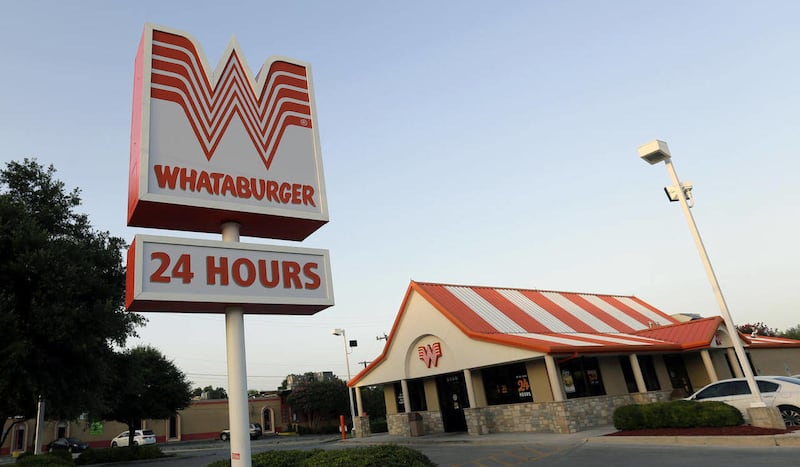
That finding is nationwide, but what about in Utah, where there are no Whataburger locations? McDonald’s takes the lead with its classic cheeseburger coming down to $1.91 per ounce, followed closely by Smashburger’s All-American Smash at $1.96 per ounce.
As far as portion sizes go, Whataburger took first again nationwide with a patty size of 3.56 ounces of meat, followed by Shake Shack and then Wendy’s. The difference between largest portion size and smallest held a fairly big gap, with McDonald’s coming last with a serving of 1.06 ounces.
Protein and satiety
The study also analyzed protein content per gram. In a protein-crazed world, the USDA notes that the macronutrient is essential for muscle mass, bone strength, and supporting healthy skin and hair.
Plus, high protein meals can help consumers feel fuller longer, increasing the perceived value of the meal, according to The New York Times.
The highest protein burger on the list was Smashburger’s All-American Smash, which contains 15.7 grams of protein per 100 grams.
NetCredit advised diners to prioritize protein-rich items for satiety and to watch calories per dollar. Some menu items contain more calories than other items at a smaller price, making it easy to overpay for less nourishment.
Burger with least value
While known for its low prices, In-N-Out ranked 12th, with its cheeseburger costing $2.91 per ounce of patty. A&W’s cheeseburger followed at $3.13 an ounce. Last place went to Five Guys’ Little Cheeseburger, valued at $3.59 per ounce of patty.
Best value fry
What is a burger without some french fries? Who provides the most fries for the least money? NetCredit once again used kitchen scales to measure regular portions from all 14 chains.
Despite having some of the more expensive fries on the list, Shake Shack offered the best value at $0.40 per ounce, providing a 6.17-ounce regular portion. Conversely, Sonic ranked last, with a regular portion costing $1.27 per ounce. The next most expensive fry came from Dairy Queen at $0.99 per ounce.
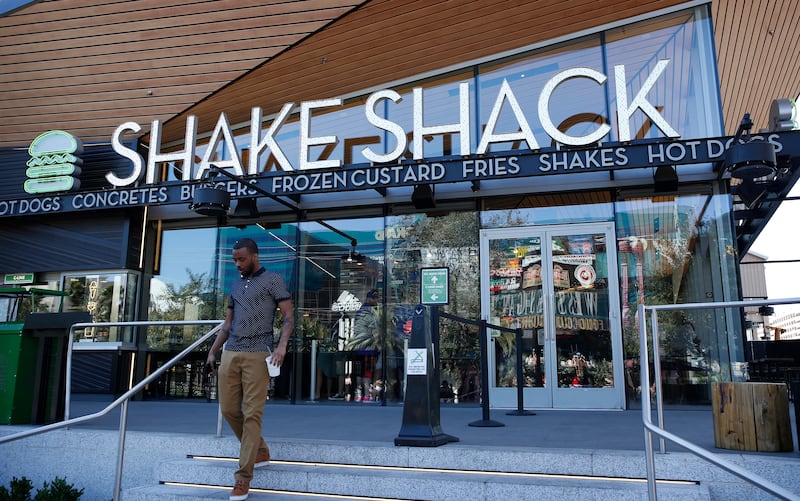
Fry portion sizes from each chain varied drastically. Unsurprisingly, Five Guys came in first by a long shot, offering 11.29 ounces of fries per portion, nearly doubling second-placed Shake Shack’s 6.17 ounce per portion offering. Last place goes to Sonic once again, serving up only 2.54 ounces of spuds per portion.
The method
The researchers focused on the value customers receive per dollar rather than just the sticker price. How did they do it? Using a kitchen scale, they weighed single-patty cheeseburgers from 14 of the largest U.S. burger chains, then calculated price per ounce of meat.
They used the same process to measure fry value. Regional price variations were standardized to demonstrate the national average for each chain.
The study also examined menu pricing and calorie information from each chain’s nutritional information to discover the most protein- and calorie-rich burgers.