


- Kratom poison control calls surged 1,231% from 2015 through 2025.
- 233 deaths were reported during over 10 years, primarily involving multiple substances.
- States are implementing regulations and at least six have banned kratom.
Calls to poison control centers involving kratom use in the past decade have risen 1,231%, according to a new Morbidity and Mortality Weekly Report from the Centers for Disease Control and Prevention. The increase from 258 kratom-related calls in 2015 to 3,434 in 2025 includes a “marked surge.”
“The large increase in 2025 coincides with the emergence of high-potency, semisynthetic formulations, including 7-hydroxymitragynine,” which is often called simply 7-OH, the CDC reported.
The 7-OH is a natural product in kratom, which also contains mitragynine, but it can be manipulated to make it stronger and potentially more dangerous and addictive, experts say. Some of the efforts to restrict kratom have focused on 7-OH, while largely leaving natural leaf products alone. Others believe kratom in any form is risky and should at the least be regulated.
In the 11-year study period, the National Poison Data System received 14,449 kratom exposure reports. Most of them involved males and young adults ages 20-49 years, though the biggest increase was among adults 40-59. More than 6 in 10 of the poison control calls were for single-substance exposures; multiple-substance reports were more common among those requiring hospitalization and serious outcomes.
During the period being assessed, 233 people died; 79% had used kratom with other substances.
The report calls kratom use “a public health concern” and advocates monitoring “to identify high-risk patterns of use and guide public health education and clinical care, particularly for multi-substance use.”
The report notes that “multiple-substance exposure reports, often involving addictive substances and antidepressants, were linked to the most severe clinical outcomes.” Per the report, intentional misuse accounted for 56% of single-substance and 49% of multiple substance exposure reports. And 23% of the multiple substance and 6% of the single-substance reports were suspected suicide attempts.
What’s certain is that kratom use is increasing.
The Substance Use and Mental Health Services Administration’s National Survey on Drug Use and Health published in July 2025 showed among those 12 and older in the U.S., lifetime use grew from 4 million to 5 million people by 2023, “indicating that more people are trying kratom.”
As University of Virginia Health noted Thursday, “Hospitalizations linked solely to kratom increased by more than 1,150% over the 10-year period, from 43 in 2015 to 538 in 2025. Hospitalizations linked to kratom used in conjunction with other substances, such as illegal drugs or antidepressants, increased almost 1,300%, from 40 to 549.”
“The data reflects a concerning trend,” said researcher Dr. Chris Holstege, the director of UVA Health’s Blue Ridge Poison Center, which helped lead the CDC study. “This trend found in the national data is also occurring in our local clinical practice, with more patients presenting to UVA Health following serious complications associated with kratom products.”
The CDC report concluded that “In 2025, among all multiple-substance exposure reports, 60% resulted in serious medical outcomes and approximately one-half required hospitalization. Enhanced surveillance and public health education could be beneficial given kratom’s widespread availability, lack of regulation, minimal medical oversight and involvement in high-risk multi-substance exposures.”
What is kratom?
At least six states banned kratom as of mid-2025, but other states have been pondering what to do about the leafy substance. Kratom has increasingly been in the spotlight as state legislatures have taken up the issue of whether to regulate, ban or protect kratom, which comes from the leaves of a tropical evergreen tree called Mitragyna speciosa in Southeast Asia. It’s available in different forms in the U.S. and interacts with opioid receptors, due to its psychoactive compounds. The CDC report notes that its “evolution from natural leaf to high-potency alkaloid products has raised concerns about toxicity.”
Traditionally, kratom has been taken as crushed or brewed leaves for pain relief or mood regulation. It’s also been used as a tool to withdraw from addictions including opioids, though some have found they are substituting one addiction for another, as several addiction specialists told Deseret News for an earlier story.
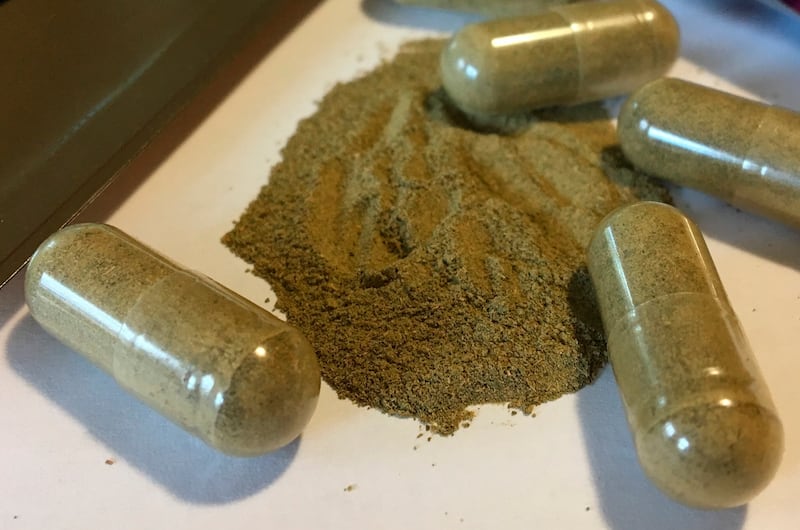
In the U.S., it has become a commercial hit in various forms including powders, tablets, gummies and concentrated energy shots, the CDC reports.
“This shift includes availability of high-potency products enriched with isolated kratom alkaloids, particularly 7-hydroxymitragynine, an opioid receptor agonist that is marketed as kratom but is distinct from traditional kratom leaf preparations, prompting the Food and Drug Administration (FDA) to call for regulatory action focused on these products," the analysis said.
The FDA has said it will regulate 7-OH products, not whole leaf products. The CDC report warns that as that happens, “surveillance should distinguish product types to assess risks” as part of building an evidence base in a “rapidly evolving drug landscape.”
What states are doing about kratom
Utah is among the states that have restricted kratom, including repealing the Kratom Consumer Protection Act the legislature passed in 2019. During the most recent legislative session, Utah lawmakers restricted kratom sales to natural leaf products. And they severely limited who can sell kratom, taking the product — which has been called “gas station heroin” — out of gas stations and convenience stores. Smoke shops are allowed to sell kratom leaf products.
State Sen. Mike McKell, R-Spanish Fork, and majority assistant whip, has been vocal in his efforts to ban kratom entirely in Utah and he told Deseret News this week that he will continue that fight.
“Kratom has had real and devastating impacts,” he said, “particularly as more potent, extracted products have become widely available. I am grateful we repealed the Kratom Consumer Protection Act and passed SB45 this session, which places strict limits on these products and removes them from gas station shelves and away from our youth.”
McKell added, “The kratom industry has continued to push more potent and dangerous products while downplaying the serious, life-threatening risks. At the end of the day, this was about protecting public health and preventing more deaths in our state and I am grateful to my colleagues and the public who helped get this across the finish line.”
Other states are also considering kratom legislation. Headlines within just the last few days note that Alabama has banned kratom but is also “cracking down” on mislabeled products that contain it. Minnesota is considering raising the age to buy kratom and whether to make it a prescription-only product. Nassau County, New York, has banned kratom entirely. The Amherst Board of Health in Massachusetts adopted measures similar to Utah’s, restricting sale of all but the natural leaf form of kratom. The same article noted that Northampton had already banned sale of synthetic kratom.
Regulation rather than prohibition
Not everyone agrees that Kratom is dangerous. A spokesman for the American Kratom Association in November told Deseret News that regulation, rather than prohibition, is how kratom should be managed.
According to Mac Haddow, the problem is not natural kratom, but the enhanced synthetic 7-OH version that is especially potent. “We’re for banning 7-OH and other synthetically derived compounds from 7-OH called pseudoindoxal and MGM 15,” he said.
And that is where the federal government to date has turned most of its attention.
The CDC did note study limitations, including that the National Poison Data System relies on voluntary self-reported data “that might result in an underestimate of the number of milder events.” Repeat callers can be in the reports and some substances or outcomes might be misclassified, the report said, although procedures are standardized. Nor could the researchers figure out kratom-formulation-specific risks, so with cases where kratom was used with at least one other substance, they couldn’t assign blame for the clinical effects.