

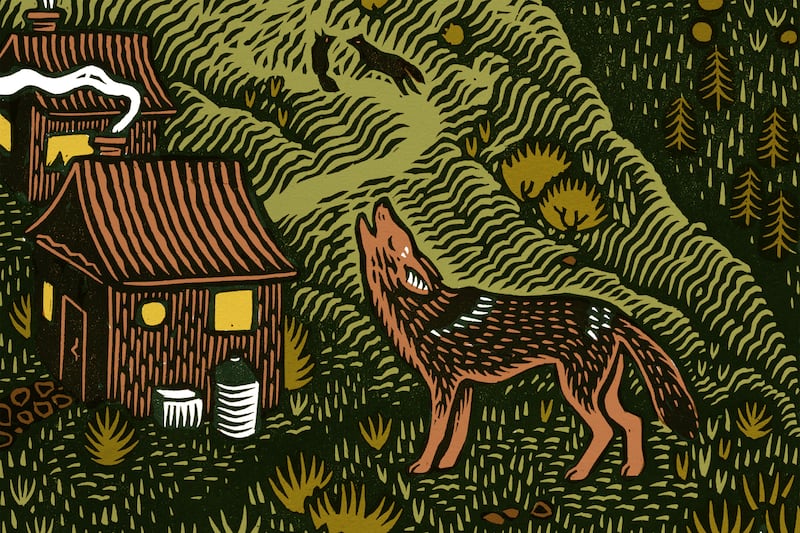

As a cougar falls sedated on the streets of San Francisco, a smaller creature prances by, curious but unconcerned. This recent scene, broadcast live by a TV news crew, shows the coyote in its new habitat. The “prairie wolf” or “American jackal” is the opposite of an endangered species. While other animals struggle with human sprawl, this canine has expanded its range from the deserts and mountains of the West to the farthest reaches of the continent, infiltrating every major city and thriving in the suburbs. Are coyotes too good at this? Here’s the breakdown.
Up to 4.7 million
That’s the high estimate of the national coyote population today, with 859,510 in Texas, 200,000 in Arizona and at least 250,000 in California. Typical litters produce four to seven pups, some as high as 19. Their pre-Colombian range was limited to Mexico and today’s southwestern United States. Westward expansion and eradication of the gray wolf — coyotes’ main predator — cleared their path to the Atlantic. By 1990, coyotes had set up shop in South Florida.
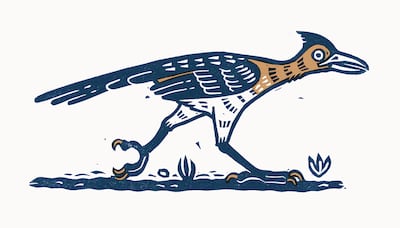
45 miles per hour
The real-life coyote is more than fast enough to catch a roadrunner (20 mph), which can make for an occasional meal. Still, it has to work to evade its own predator, the mountain lion (50 mph). The coyote can match a greyhound in a footrace, and can also jump 12 feet in distance or 8 feet high. Using its front paws for leverage, it can clear some barriers up to 14 feet tall.
11 vocalizations
From yips and howls to barks and yelps, coyotes are the most vocal mammals in North America. They have pointed, triangular ears and reddish-brown fur. Males weigh up to 40 pounds and stand almost 2 feet tall at the shoulder, similar to a border collie. Nineteen subspecies vary in size, coloring and muzzle shape. The “Eastern coyote” — aka “coywolf” — is a genetic mix of coyote, wolf and domestic dog, big enough to thrive in cities along the Atlantic Seaboard.

Cathemeral, depending
That means coyotes can operate day and night. In remote areas, they’re busier in the daylight; in cities, they become more nocturnal, perhaps avoiding humans. Coyotes hunt alone, except when they don’t. They’re known to partner with badgers, which flush prey from underground burrows for the coyote to catch. A study in 1992 first observed such a team hunting Uinta ground squirrels together, but similar pairs have been reported across the West.
20% cat food
Feline remains were found in one-fifth of urban coyote scat in Los Angeles during a 2020 study by the National Park Service, compared to just 4 percent in suburban samples. Coyotes also eat rats, prairie dogs, groundhogs and other rodents, ornamental plants and house pets. Last December, coyotes killed two dogs in a small town near Boston. There have been just two known fatal coyote attacks on humans.

$50 per jawbone
That’s the bounty paid by Utah’s Division of Wildlife for each coyote kill, documented with at least two-thirds of the lower mandible. That rate doubles in prime mule deer habitat. Wyoming and South Carolina run more limited programs, as do certain counties in other states. But coyotes often become even more abundant in areas where they’re hunted. Half a million are killed nationwide each year, apparently without making a dent.
Bad omen?
A coyote sighting can be viewed as a portent of death or evil in Navajo culture, although the meaning depends on the context. Coyote is a deity in many Native American spiritual traditions. To the Salishan tribes of the Northwest, he is an ancestor, the protagonist of many tales that explain human knowledge. In Aztec lore, he gave them fire. To these and many others, he is a trickster: sly, clever, duplicitous, sometimes playful, always ingenious.
This story appears in the May 2026 issue of Deseret Magazine. Learn more about how to subscribe.