
SALT LAKE CITY —
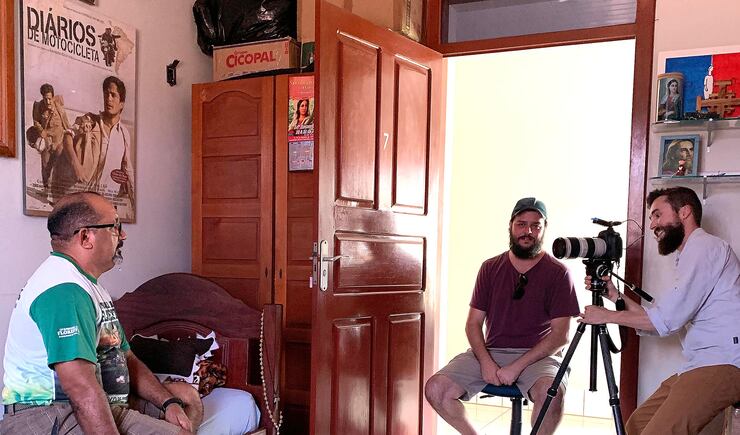
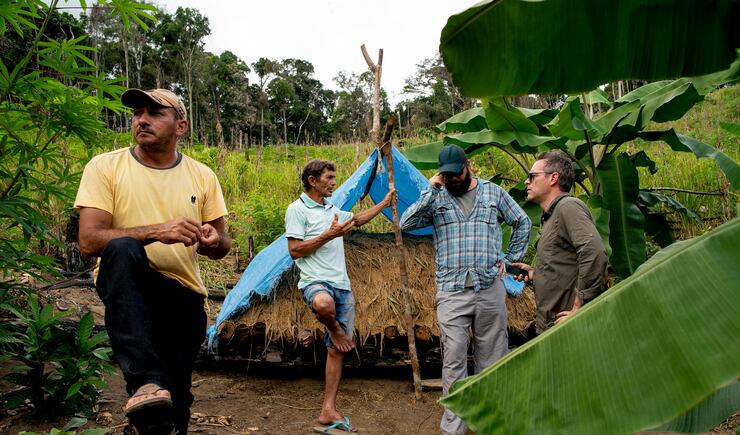
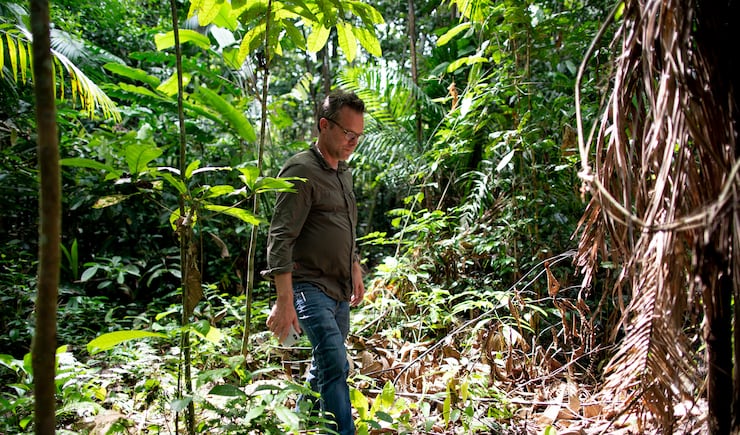
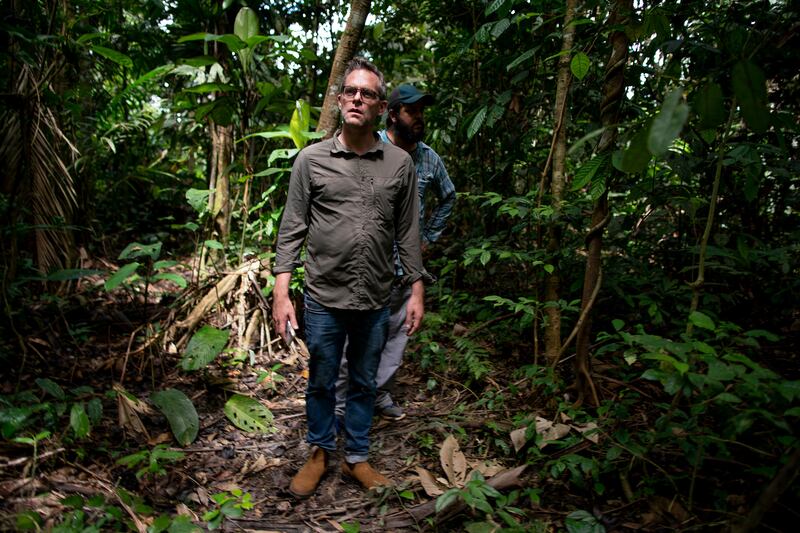
They had spent the day in the Virola Jatoba settlement, deep inside the Amazon danger zone near the town of Anapu in Pará, Brazil. Deseret News journalists Jesse Hyde and Spenser Heaps were having an important discussion with each other with serious implications for their safety.
“He wanted to go back and take pictures of Elias in the morning harvesting his rice,” Jesse told me of Spenser, our award-winning photojournalist, as we debriefed on what it took to deliver the video and compelling story headlined: “A nun, a shooting and the unlikely legacy that could save the Amazon rainforest.” Elias da Silva Lima is a farmer in the settlement and to reach him there is one road in and one road out surrounded by dense forest able to easily hide “invaders.”
These “invaders” are men who want the land. It used to be protected but now it is not. So they watch, intimidate and sometimes kill those who stand in the way of cattle ranching or tree harvesting in the rainforest. To get to the settlement required the help of a knowledgeable fixer willing to go there (and many were not willing to go).
Now out of the settlement, having successfully spoken with the farmer, and with compelling images by Spenser of him in the fields, the conversation turned to risk-reward. Spenser wanted to photograph the farmer harvesting his rice, which he does early in the morning. Spenser already had good photos. But early morning light with the farmer doing what he does each day is an important shot. Is it worth your life?
Covering a story like this is always a balance. As editor I cannot put our reporters and photographers in harm’s way. We work very hard to assess dangers, whether it’s dealing with dangerous or disgruntled people at a protest in Salt Lake City; navigating immigration issues in Guatemala or along the U.S.-Mexico border; or in this case, deep into the Amazon to tell an important story of land stewardship, sacrifice and faith.
Jesse had spent years in Brazil, speaks Portuguese and had set important protocols in place. I knew where he and Spenser were each day and had a way to get help if I didn’t hear from him at the appointed times. We reached out to journalists in the country from major international media outlets to find those people who could help us — fixers who can understand the nuances of danger.
As Jesse put it: “I have to have total trust in that person. And what I’m relying on is they can pick up certain social cues that I can’t — when things are dangerous, when they’re not. I ended up hiring Gabriel. I’ve worked with him before,” Jesse said of the man who took them into Anapu. A second key contact also helped get them into the settlement from Anapu the first time, and in and out of town where it wasn’t safe to spend the night.
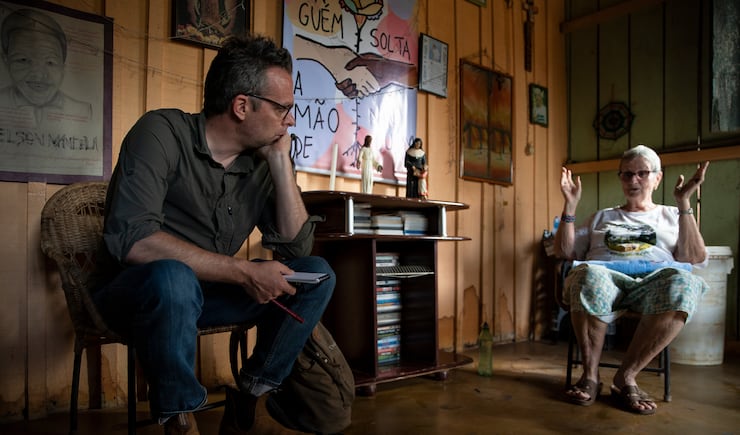
The danger was real for our journalists, which made the interviews with one of the story’s main subjects, Sister Jane Dwyer, even more compelling. She lives in Anapu and has sacrificed everything to live her life helping the poor. And helping the poor is also helping the rainforest.
If Spenser and Jesse returned to the settlement, arriving by first light meant they would have to drive through the forest in darkness. It was also unscheduled and they would be going in alone. In other words, it would require us to change the carefully choreographed plans we had put in place for their safety.
The car they were using wasn’t reliable. If it broke down, they would also be at great risk.
Elias, the farmer, offered our journalists his home and a bed for the night if they returned a second time. Then they could leave the next day in the light. But that, too, is no guarantee of safety. If invaders saw them go in, the house would not be protection.
Ultimately, it was clear what choice needed to be made. There would be no return visit. This was one of dozens of decisions Jesse and Spenser made together and the result was a safe, albeit tense, journey into the jungle. The story, the photos and an accompanying video are also spectacular. We made no compromise on the story. But neither did we compromise safety.
We undertook this project together with the Pulitzer Center. A very natural question is why is this an important story for the Deseret News to do.
Here is Jesse’s answer: “One, I think that the whole subject of environmentalism has become so politicized you know. ... What I was really trying to do with the story, and I feel good about this, is I think that this value of stewardship is not a political thing. It’s not a Republican or Democratic thing. We can cut through some of these words that make people feel divided (climate change, environmentalist, etc.) and talk about a value, and the value is this is an amazing planet.”
Jesse said the reporting experience had a profound impact on him.
”The more we look at the Earth, the more you see how it really is this finely tuned machine. That can’t be an accident,” he said. “The way it works points to a creator.”
He also spoke of sacrifice and the lessons his story subjects taught him. Sister Dorothy Stang gave her life. Sister Jane Dwyer lives under threat of violence every day, but her simple life is protecting others by her presence and devotion. Father Amaro Lopes continues the legacy of Sister Jane and now lives in a well-protected home as he tries to help the poor make a sustainable living in a rainforest that protects the Earth.
Why do the story? To build understanding and find common principles, even in an era when partisanship makes the conversation very difficult.