

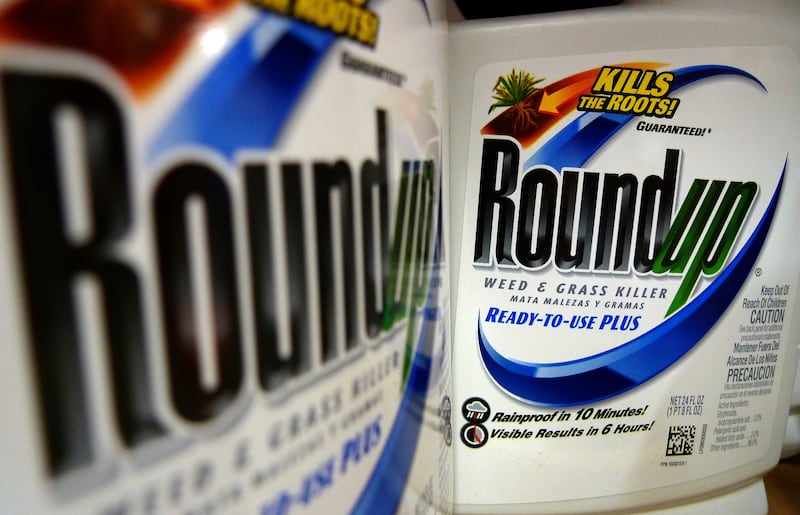
My name is Peyton Kosman, and I am a second-year student at the University of Utah. The time we live in is both tragic and despairing; it feels like we are living in a bubble full of bad news at every corner. School and the environmental disparities I am learning about in my class do not help.
Currently, we are learning about how much of an impact chemicals have on our bodies and how those chemicals can cause cancer. The book “Living Downstream,” by Sandra Steingraber, goes into brutal detail about how we can inhale, ingest and absorb the chemicals that can create cancer cells in our body. From the food we eat to the water we drink, we are being poisoned every day. An example of this fact are women who have been diagnosed with breast cancer. A study found that women who were diagnosed with breast cancer had 35% more dichlorodiphenyldichloroethylene (known as DDE), a pesticide found in agriculture, in their blood than women without breast cancer. This same study also found that women with higher levels of DDE were four times more likely to get cancer.
The chemicals in our environment are dangerous to our society. We need more regulations and guidelines when it comes to our environment and products we use on a day-to-day basis. Cancer plays a huge part in a lot of individuals’ and families’ lives. Beginning what could be a huge conversation about the risk of these chemicals could add a little glimmer of hope into everyone’s lives.
Peyton Kosman
Salt Lake City