

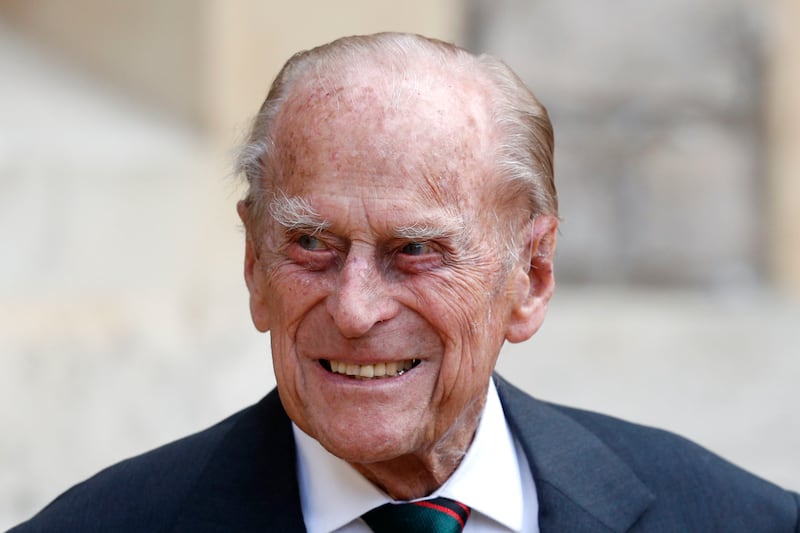

Buckingham Palace announced the death of Prince Philip, the Duke of Edinburgh, Friday morning. He was 99.
Philip was the husband of Britain’s Queen Elizabeth II and father to the future king, Prince Charles.
In recent weeks he had been hospitalized several times, most recently in February.
Philip married the then-crown princess Elizabeth in 1947, when he was 26 and she 21. Over the next several decades, as “first gentleman of the land,” he strived to preserve the traditions of Britain and the crown.
News outlets, notable leaders and figures throughout the world have expressed their condolences and commented on the long life of one of the most recognizable names in the British royal family.
In The Guardian, Simon Jenkins said although Prince Philip’s role came with significant limitations, he was a beloved rock and staunch supporter to his wife, the queen.
“(Prince Philip) seemed genuinely to love the Queen and she him, though their love seemed strangely undemonstrative. He was simply there, a rock for a hard-working wife, a rather modern sort of man,” Jenkins writes.
The Guardian’s editorial board also paid tribute to the man, saying his death would leave a hole in the heart of the monarchy.
“The duke’s death is first, and above all, a personal event for his family, and especially for the Queen. However much any death may be anticipated, such an event is never negligible for the bereaved when the moment finally comes. This death, coming as it does when life is being lived in close family and household groups, will strike particularly hard.
In multiple respects, a gulf normally separates the lives and habits of the royal family from those of other families in the land. In this experience, however, other families can today see themselves, their own bereavements and their own losses and sadnesses reflected. That is one of the reasons why this death is indeed a national event for Britain.”
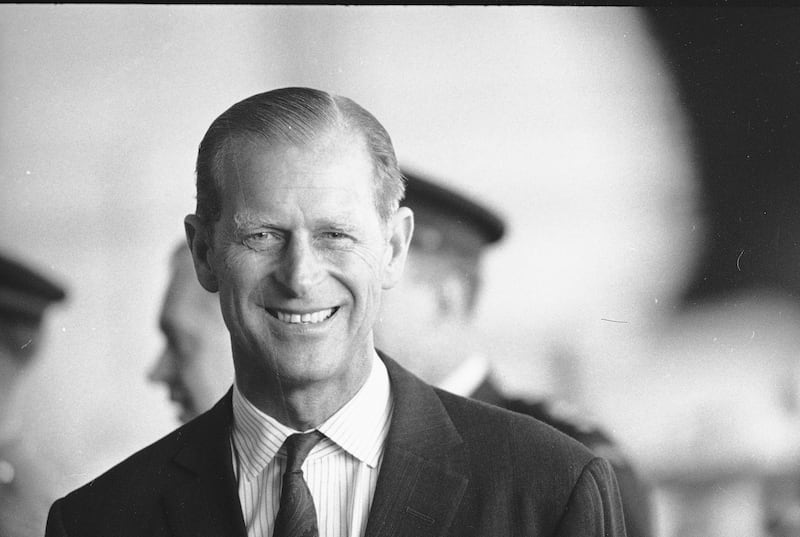
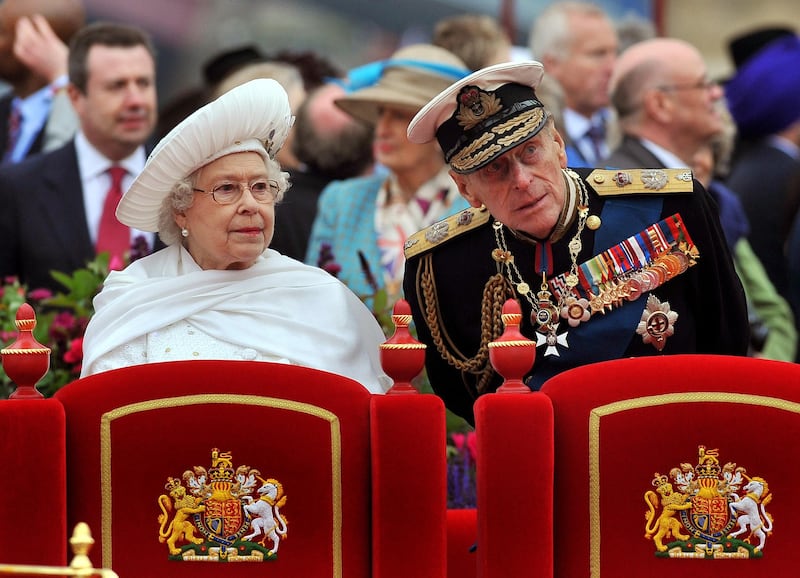
In The New York Times, Tina Brown paid tribute to “the man who walked two paces behind the queen,” a nod to the royal protocol that he do so in all public appearances.
“In his decades as her consort, Philip continued to seek ways to redefine the relevance of a modern monarchy and support her while carving out a hyperactive commitment to causes and interests of his own,” said Brown.
At USA Today, Dan Carney called Prince Philip “the most interesting royal” and gave a history on how Philip came to be the Duke of Edinburgh despite his interesting family background.
“There is one royal, however, whose story is better than tabloid fare, better even than fiction. His name is Philip, the Duke of Edinburgh and husband of the queen,” wrote Carney.
Boris Johnson, prime minister of the United Kingdom, shared his statement on Philip’s death, saying, “By any measure, Prince Philip lived an extraordinary life.”
Likewise, the prime minister of Australia, Scott Morrison, shared a statement as well.
“(Prince Philip) embodied a generation that we will never see again,” shared Morrison.
In The Scotsman, Liv McMahon opined on the duke’s love of Scotland and Balmoral Castle.
“It is widely believed that the Duke of Edinburgh’s resoluteness and determination to perform his royal duties — even as a nonagenarian — was foregrounded by his time at Gordonstoun as a young man,” said McMahon.
For the BBC, Jonny Dymond called Philip “an extraordinary man who led an extraordinary life.”
“He outlived nearly everyone who knew him and might explain him.
And so we have been left with a two-dimensional portrait of the duke; salt-tongued and short-tempered, a man who told off-colour jokes and made politically incorrect remarks, an eccentric great-uncle who’d been around forever and towards whom most people felt affection — but who rather too often embarrassed himself and others in company.
With his death will come reassessment. Because Prince Philip was an extraordinary man who lived an extraordinary life; a life intimately connected with the sweeping changes of our turbulent 20th century, a life of fascinating contrast and contradiction, of service and some degree of solitude. A complex, clever, eternally restless man,” commented Dymond.