
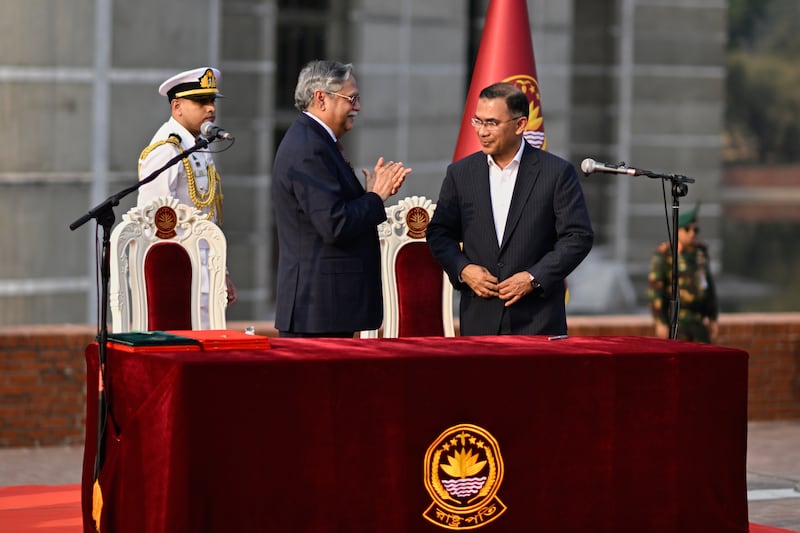
Last week, Bangladesh held an election that international observers said was fair and acceptable, according to The Associated Press.
That is a remarkable achievement, coming only 18 months after a student-led uprising that prompted a violent response from former Prime Minister Sheikh Hasina before she fled to asylum in India. An estimated 1,400 student protesters were killed in weeks of marches and street protests. The nation was leaderless and in disarray, a recipe more conducive to the complete collapse of law and order than to what happened next.
Muhammad Yunus, the 85-year-old Nobel Laureate best known for his work among the poor, reluctantly accepted the job of interim leader, urged upon him by leaders of the student uprising. Officially known as the Chief Advisor to the Government, Yunus ran the country alone, without a parliament, and he set about instituting freedoms and organizing an election.
Some politicians criticized him for taking so long. But the motivations guiding Yunus, who was not a candidate for prime minister and who peacefully relinquished his office after the election, were beyond reproach. He inherited a government rife with corruption and, while certainly not cleansing it completely, put it on a promising road to success.
A promise to fulfill
That promise now belongs to new leaders to fulfill.
This is a story the world seldom sees, and it’s one to which the United States, and Utah as well, should pay close attention. Yunus is a friend to Utah, having made several visits here to discuss his anti-poverty programs.
Unlike the Arab Spring, in which many democracy movements either were crushed by government forces or dissolved by counterrevolutionary actions, Bangladesh offers a real opportunity to replace tyranny with freedom. Yunus has seen to that.
This unique story is a reason why the Deseret News sent opinion editor Jay Evensen and photographer Scott Winterton to Dhaka, Bangladesh, a year ago.
While many in the United States believe corruption is pulling their own nation apart, Bangladesh has been trying to come to terms with its corruption with the faith that it can build a government that guarantees rights. It is a story of hope amid a world of violence and tyranny.
But that hope has its genesis in an interim leader who placed the needs of his country well above any personal desire for power. Yunus set an example that we hope is hard for future leaders to ignore.
For the United States, the lesson is that liberty and freedom will survive if Americans care more about the welfare of the nation than they do about partisanship, political advantage and the demonization of people with opposite views.
Guarantees for freedom?
Yunus told the Deseret News last year that his top priority was to enact some sort of guarantee that future governments would not revert to the abuses that led to the student uprising.
He convened commissions tasked with writing reform measures that he eventually asked leaders of all political parties to sign. He called it the July National Charter, in honor of the revolution that began in July of 2024.
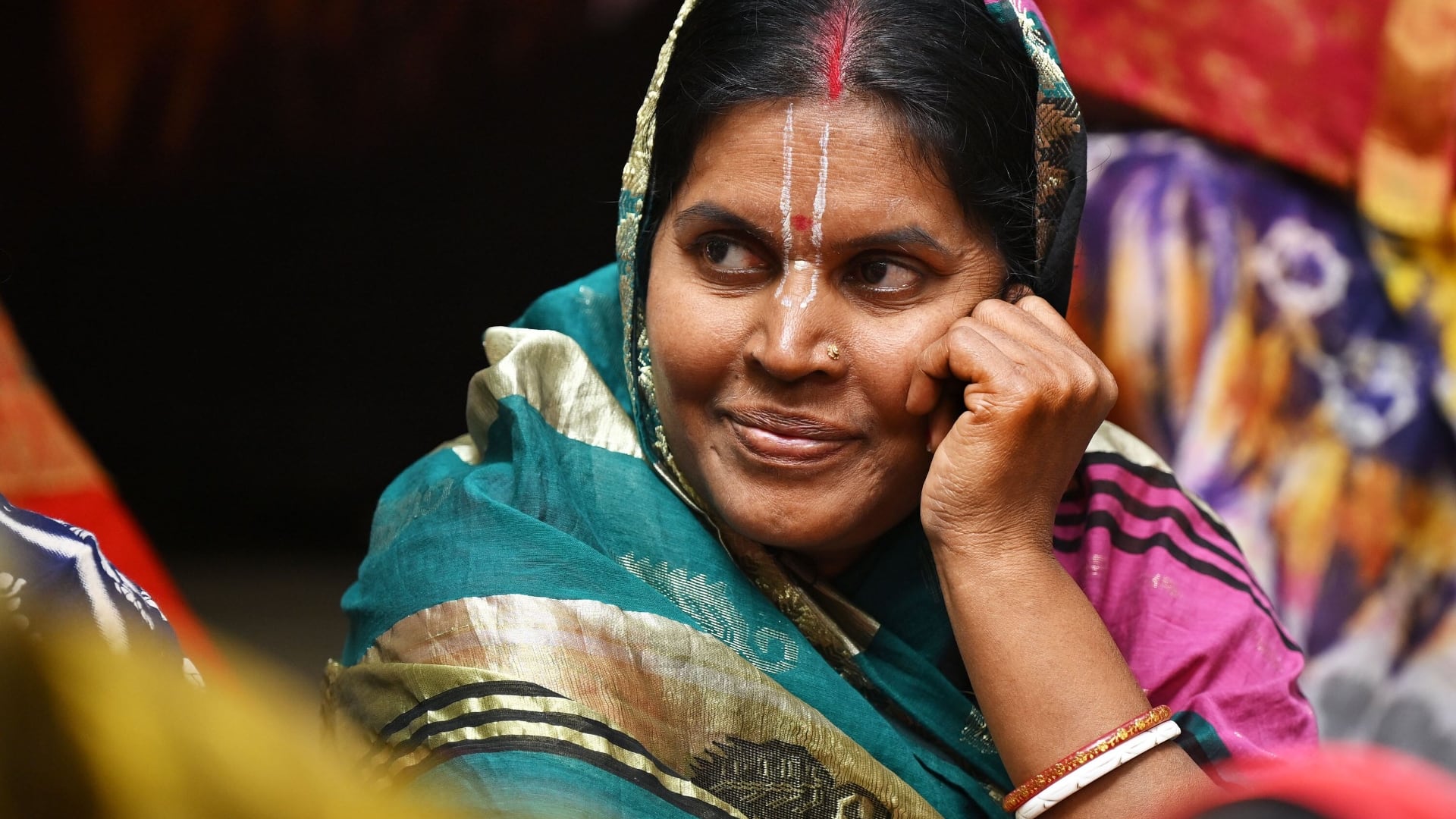
The charter calls for more than 80 reforms, including term limits on the prime minister, a bicameral parliament, limits on the ruling party’s ability to unilaterally change the constitution, and other items.
These were placed on ballots along with the parties vying for control.
Various media reports said more than 60% of voters approved the charter, a solid mandate for permanent reform.
The Bangladesh Nationalist Party won the lion’s share of seats in Parliament. Tarique Rahman, the 60-year-old son of a former prime minister and former president, who had been in self-imposed exile in the United Kingdom for 17 years, was sworn in this week as the new prime minister.
His job now is to make sure the reforms of the charter are implemented into law. Entrenched government corruption is now his to clean up. His job is also to peacefully relinquish power when the time comes, in deference to the will of the people.
But the group that finished second — a coalition of parties led by the fundamentalist party Jamaat-e-Islami — also has a job. Opposition parties in Bangladesh have seldom operated as a “loyal” opposition, choosing to demonstrate and protest instead of to cooperate and compromise. The nation would greatly benefit from the coalition assuming a more gracious role.
Complicating matters is the Awami League, the party of ousted prime minister Hasina, which has been outlawed.
Will Bangladesh light the way?
Writing for the publication counterpoint.com, retired U.S. State Department Deputy Chief of Mission in Bangladesh Jon F. Danilowicz wrote, “The relatively peaceful nature of the election campaign and the acceptance of the results provides an opportunity for both government and opposition to break with past precedent.”
Acceding to the will of the people is a good start. Yunus has shown the power of placing country above self. His motives clearly were about the welfare of a land he loves. While the future there remains a question mark, the world should hope Bangladesh succeeds in lighting the way for many others to follow.