

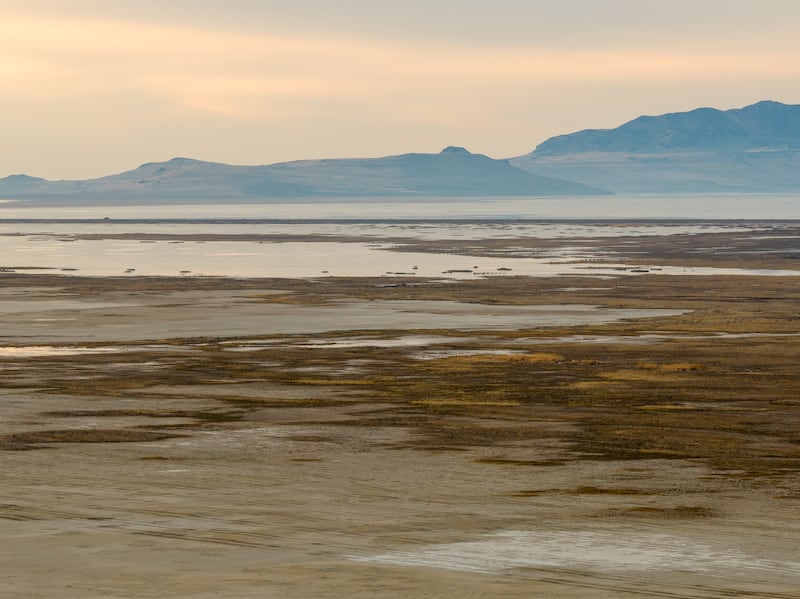
As Utahns, we know water is our lifeblood. In this desert we call home, it’s what turned pioneer grit into thriving communities. That’s why the Utah House Majority Caucus is making water infrastructure a top priority during the 2026 Legislative Session. As a caucus, we are committed to protecting and restoring the Great Salt Lake; repairing and upgrading our aging water systems statewide; and facilitating long-term planning to ensure reliable access to Utah’s water for families, farms and businesses. This includes expanding storage and coordinating between state and local agencies.
It’s not just about fixing pipes — it’s about building resilience against droughts as we grow, with targeted funding for infrastructure projects that stretch every drop further and protect vital resources like the Great Salt Lake.
As a lawmaker, one of my main priorities is to deliver more water to the Great Salt Lake. We’ve seen the lake hit near-record lows, threatening air quality, wildlife and industries that employ thousands. But there’s hope. The Great Salt Lake Strike Team’s 2026 report, released just weeks ago, shows real progress from conservation efforts and smart policy changes. For instance, salinity levels in the South Arm have dropped from a high of 18% in 2022 to a healthier range of 9-12%, thanks to effective management. Between 2021 and 2025, nearly 400,000 acre-feet of water reached the lake through leasing, conservation programs and projects like removing invasive phragmites.
Yet challenges remain — the lake ended 2025 at its third-lowest level in over 120 years, about seven feet below the healthy target of 4,198 feet. The report underscores the need to deliver more water to give the lake a strong shot at recovery by the 2034 Olympics. We’re building on this momentum with bills that make it easier to direct water where it’s needed most without overcomplicating things for farmers or families — aligning directly with the House’s push for efficient statewide water solutions.
This session, I’m sponsoring HB76 to ensure we have accurate data on how data centers use water, while recognizing they can be great partners in our state’s economy. The bill simply asks data centers to report their water use upfront and yearly so we can plan better and protect Utah’s water while supporting economic growth. Passing out of the House unanimously, this is a common-sense step to balance innovation with stewardship. Without heavy-handed rules, this approach provides clear information so individuals and communities can make wiser water choices.
A second piece of legislation that I’m sponsoring, HB348, will streamline the process for dedicating water to the lake. Right now, getting water to the Great Salt Lake or similar spots can be difficult and inefficient. This bill cuts through those barriers, making it simpler for water users to send water to the lake without jeopardizing their rights. It’s part of a bigger push to encourage voluntary sharing, like water banking, where farmers get paid to let some water flow downstream. Programs like this have already shown promise, with the Great Salt Lake Watershed Enhancement Trust leasing water to boost lake levels. We’re expanding these tools through partnerships, including voluntary agreements with mineral companies to cut back on water use during low lake levels.
On top of that, a new policy is in the works to secure funding for the lake while expanding leasing statewide. We’re looking at ongoing leases in the Great Salt Lake basin and beyond to plan and deliver water more efficiently across all of Utah’s water areas. This includes requests for millions to lease water annually, aiming to stabilize the lake at healthier levels. As the Strike Team report notes, improved leasing programs and data tools are key to long-term stewardship, helping us assess and direct hundreds of thousands of acre-feet where they’re needed most. This policy is a win-win: supporting agriculture while ensuring water reaches the lake and other key spots, all in line with the House’s commitment to sustainable infrastructure investments.
Utah leads the nation in opportunity because we protect what matters. By prioritizing water infrastructure, we’re safeguarding our future and creating a strong legacy for our kids.