

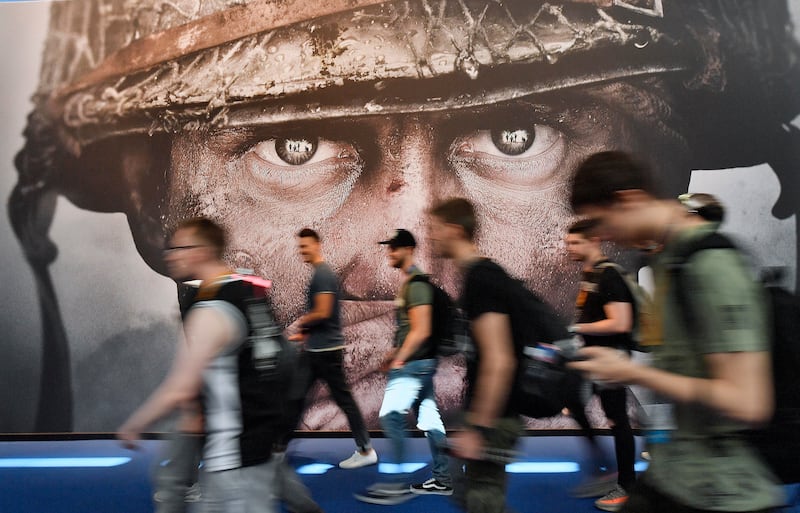
In the history of state propaganda, there has always been a concerted effort to sanitize the grim realities of the front line. From the idealized statues of antiquity to the carefully curated “embedded” journalism of the Gulf War, governments have long sought to present conflict in its most palatable light. However, the recent video released by the White House — splicing footage of military strikes in Iran with animations from Call of Duty and “Wasted” screens from Grand Theft Auto — marks a terrifying new frontier. We have moved past sanitization and into the realm of gamification.
By adopting the visual language of a first-person shooter, the administration is no longer just reporting on national security; it is inviting the public to view state-sanctioned killing as a digital scorestreak.
The video in question is a jarring “hype reel” that feels more suited to a teenager’s gaming channel than the official communication of a nuclear superpower. When a real-world explosion is overlaid with a floating “+100” score notification — the universal Pavlovian trigger for a digital kill — the gravity of the event is instantly erased. The human beings on the receiving end of those munitions are transformed into “NPCs” (nonplayer characters), and the act of war is reduced to a consequence-free simulation.
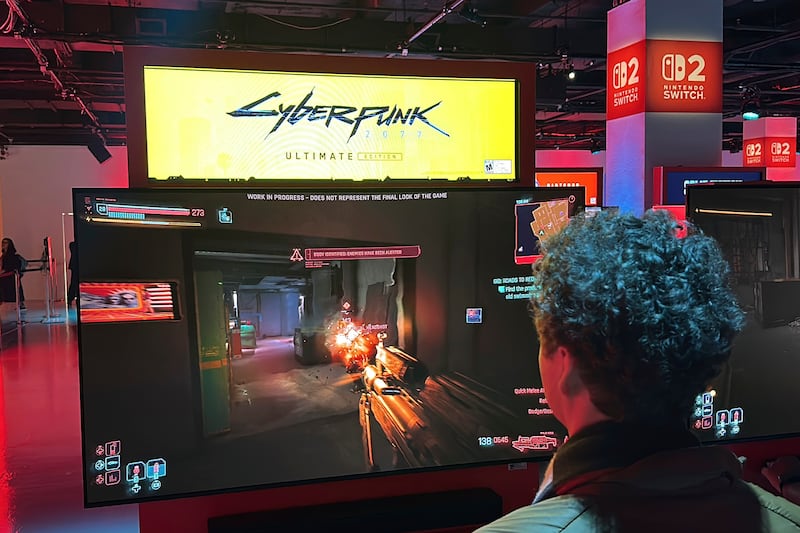
This “Joystick Doctrine” is a profound insult to the gravity of the office. The decision to use lethal force is the most somber responsibility a government holds. It involves the permanent ending of lives, the displacement of families and long-term geopolitical tremors. To frame these events using the aesthetics of “Iron Man” or “The Last Jedi” treats the Middle East as a sandbox for a summer blockbuster. It suggests that the administration views itself as the main character, immune to the messy, non-linear consequences of real-world violence.
Furthermore, this move displays a chilling lack of empathy in the face of tragedy. While official social media accounts were chasing “Ws in the chat” (internet slang for “wins”), reports were surfacing of civilian casualties in Minab, including damage to an elementary school. There is a grotesque cognitive dissonance in watching a video that uses the Call of Duty “tactical nuke” sound effect while families are digging through rubble.
These artists create fiction to explore the human condition; the government is using their fiction to obscure it.
The backlash from the creative community should be a wake-up call. When the developers of these games and the actors in these movies speak out against the use of their work in “propaganda machines,” it highlights just how far the White House has drifted from reality. These artists create fiction to explore the human condition; the government is using their fiction to obscure it.
We must ask ourselves what kind of citizenry this messaging is intended to create. If we are conditioned to cheer for real-world strikes with the same dopamine-fueled excitement we feel during a video game, we lose the ability to provide the democratic oversight that war requires. A public that views war as a meme is a public that will not ask hard questions about exit strategies, blowback or the cost of human life.
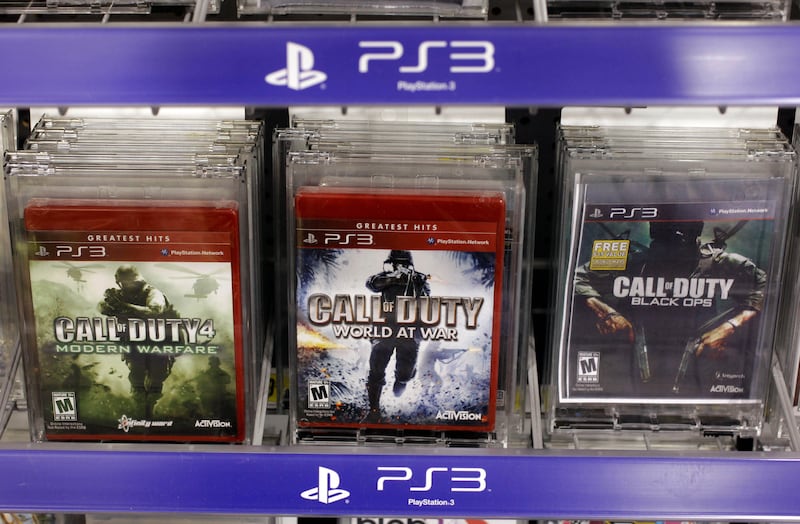
The White House needs to put the controller down. War is not a scorestreak, and the world is not a map to be cleared for “likes” and “shares.” If we allow the line between entertainment and slaughter to be permanently erased, we aren’t just losing our sense of decorum — we are losing our humanity.