

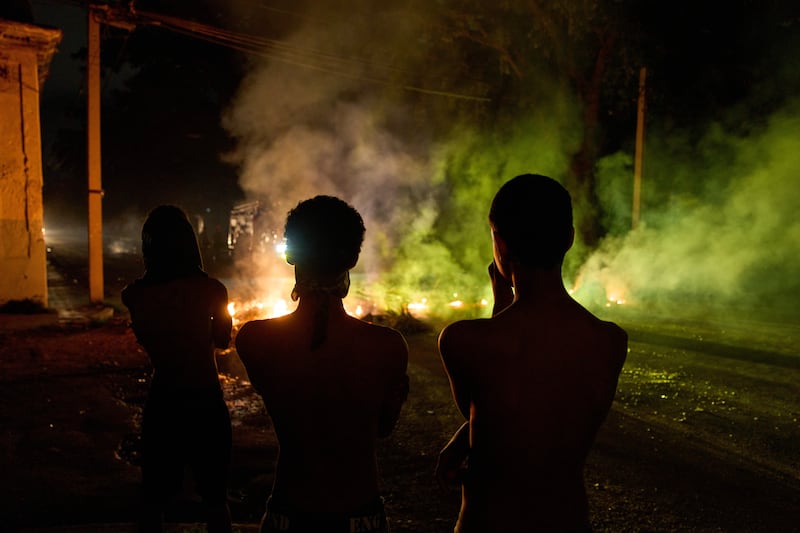

The Malecón is empty. “Very empty and very dark,” my friend and independent journalist in Cuba writes me. Havana’s historic waterfront boulevard, typically brimming with families, couples and students looking for a sunset stroll, is completely devoid of life. The unusual mix of traffic from classic American Chevys and Soviet Ladas with more recent Hyundai Accents is almost nonexistent.
This is another shocking indicator that millions have fled the island in just the last few years, the largest exodus of Cubans in history — with 10% of the country leaving between 2022 and 2023 alone, according to the head of the country’s national statistics office.
It’s been heartbreaking to watch. Through annual trips and dozens of interviews with emerging civil society leaders, church groups and independent journalists in Cuba, my research has deeply connected me to the island and its people for nearly a decade. Across the dinner table, at worship services and at family businesses, I’ve had the honor to associate with a variety of young Cubans working to make the island a better place.
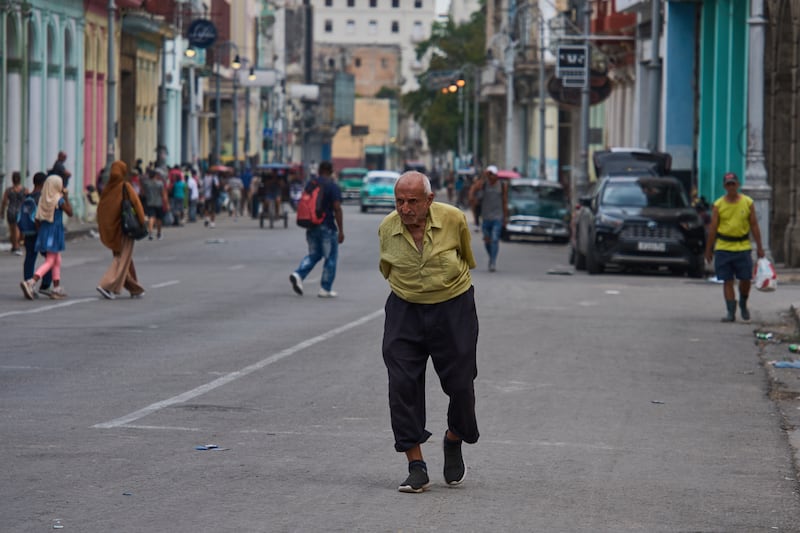
This is happening despite severe restrictions imposed by both the Cuban government and the harsh realities of U.S. sanctions. Recently, many people I know on the island have had to flee.
“We have absolutely no fuel,” Cuban Energy Minister Vicente de la O Levy said bluntly on state media last week. There has been an almost total blockade of oil by the Trump administration since the Venezuela intervention and subsequent pressure on Mexico to not provide assistance, with only a single Russian oil tanker arriving in the late spring with U.S. permission.
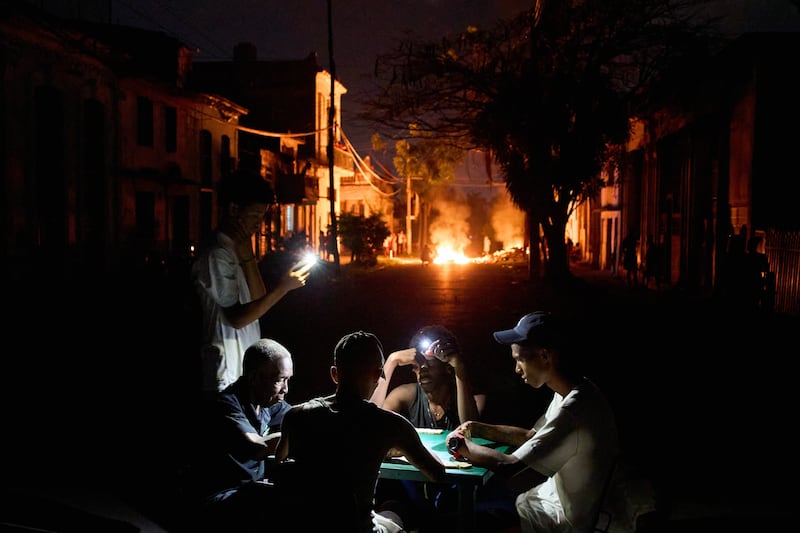
All this has led to prolonged power outages (some over 20 hours), increased food and water shortages, and the collapse of many public services. The United Nations warns that the humanitarian situation will worsen, if not collapse imminently.
While Trump’s recent measures are severe, they are not new. Economic sanctions against Cuba have been one of the longest-standing and most comprehensive sets of unilateral coercive measures in U.S. foreign policy history.
In April 1960, Deputy Assistant Secretary of State for Inter-American Affairs Lester D. Mallory advised the Eisenhower Administration that “every possible means should be undertaken promptly to weaken the economic life of Cuba.” At the time, he said that included “denying money and supplies to Cuba, to decrease monetary and real wages, to bring about hunger, desperation and overthrow of government.”
With few exceptions, every U.S. president has added to the sanction regime against Cuba to force regime change.
In the wake of the fall of the Soviet Union, the U.S. Congress passed a series of acts that codified the nation’s sanctions against Cuba, making it nearly impossible for a U.S. president to remove without congressional approval. President Obama was only able to bend the embargo for a little over two years.
These restrictions include banning most imports and exports between Cuba, prohibiting U.S. companies from engaging in financial transactions in Cuba without onerous U.S. Treasury approvals, and limiting Americans’ ability to travel freely to the island.
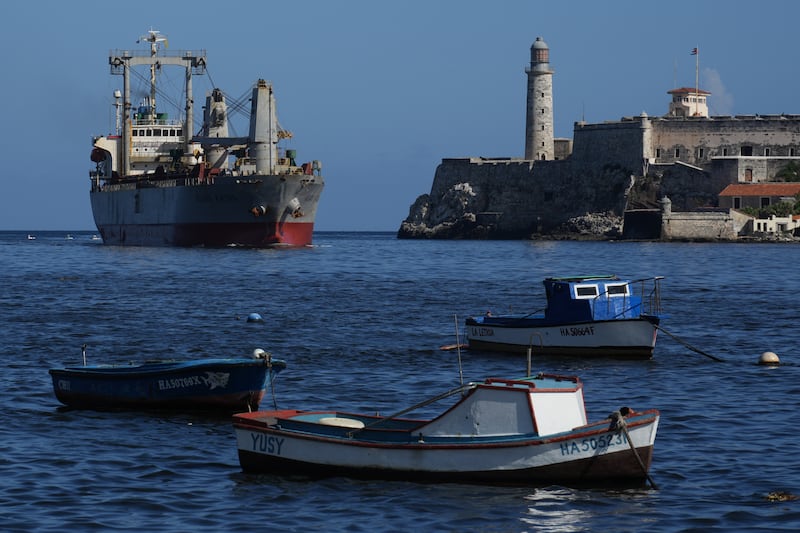
All these restrictions have additionally produced a series of indirect effects, where foreign banks and global shipping firms refuse to engage in Cuba-related transactions to avoid potential legal battles and hefty fines.
This has meant serious consequences for ordinary Cuban families. While the U.S. exempts transactions on foodstuffs and medicines, I remember on one of my visits, a colleague from a local Baptist congregation in Havana shared tearfully that his mother needed regular dialysis, but sanctions made it nearly impossible for the medical facility where she received treatment to acquire the needed repair parts for consistent care. She passed away shortly after.
Yet, the Cuban government holds significant blame for the continued hardships ordinary Cubans are forced to endure. Despite recent economic reform efforts beginning in 2011, Cuba’s economy remains largely centralized and deeply inefficient, and it continues to be one of the least economically free countries in the world.
While the government has recently expanded its permit system to allow for small and medium businesses, nearly 40% of Cuba’s GDP is dominated by the military-backed conglomerate known as GAESA. Until his sudden death in July 2022, Raúl Castro’s former son-in-law, Luis Alberto Rodríguez López-Calleja, ruled an empire of tourism, retail stores, financial services and even the trade port of Mariel.
Nearly half the state budget has been dedicated to new hotel constructions and hospitality, but tourism has declined by 70% since before the pandemic.
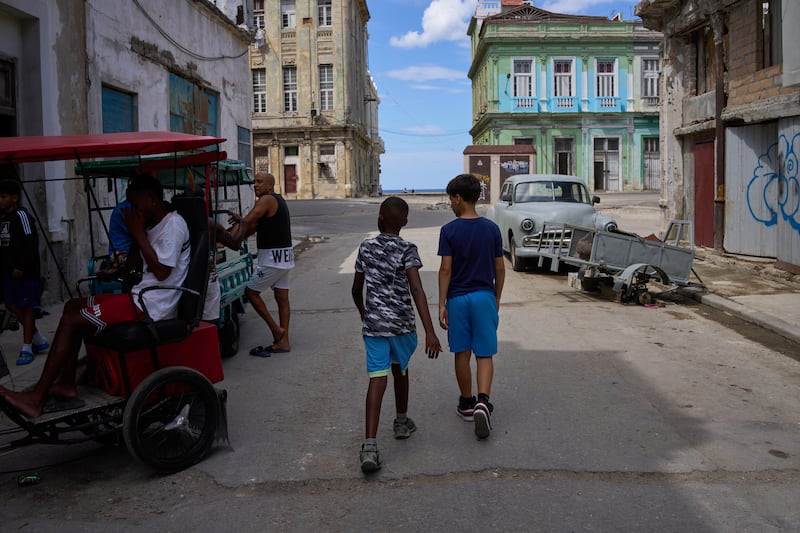
Politically, Cuba remains one of the most unfree countries in the world. Since the 1960s, under the Communist Party of Cuba (PCC) independent political parties have been banned, official media has been tightly controlled by the state, and dissenters have been regularly and arbitrarily detained and harassed by authorities.
These generalized economic sanctions overall have not been proven effective in dislodging Cuban leaders, since the ruling autocratic coalition is able to insulate themselves from a lot of the general effects (black market, criminal networks, other autocratic partners).
Despite the island’s many challenges, through new digital technologies, Cubans are more connected and well-informed than ever. This has led to an unprecedented number of protests in recent years. From animal welfare activists to artists and even computer programmers, many young Cubans have found new and creative ways to challenge authorities, skirt censorship and connect to peers around the world.
In July 2021, during the largest mass demonstrations in more than 50 years, thousands of protesters took their online activity to the streets by decrying shortages, government mismanagement and blackouts.
Within moments, hundreds of police, special forces of the Ministry of the Interior and “rapid response brigades” from the Communist Party of Cuba were deployed, with especially large numbers in major city centers like Havana and Santiago. Dozens of groups of government supporters launched counterdemonstrations and clashed with protesters.
Altercations between the various sides led to bloodshed, with demonstrators detained in the aftermath and their whereabouts unknown for days. Even years later, hundreds remained in prison with lengthy sentences — with as many as 1,200 political prisoners and prisoners of conscience in Cuba, despite a recent prison release of mostly criminal detainees.
While the government’s response to the international outcry to their actions was initially reconciliatory, my interviews with independent journalists and digital activists have shown a more generalized “soft” repression of artists, public intellectuals and critics has occurred since 2021.
Party leaders passed a series of measures, including Decree-Law 35, which makes online speech critical of the government a crime. Authorities have increasingly turned to short-term detention or harassment of any critical online bloggers and independent journalists that have a serious following.
Tensions on the island are at an all-time high. Sunday, the Vatican held a special Mass for peace in Cuba. Local officials on the island are preparing the population for U.S. military action. The City of Miami has made official plans for the impending fall of Havana.
Yet high-level talks between the Trump administration and Cuban officials appear to be at a stalemate. Although change feels like it could be imminent, especially in terms of the collapsing economy and basic services, the situation remains at an impasse. With each side entrenched, it’s not clear what change will come to this 60-year-old Cold War rivalry.
Amid the rolling blackouts and sweltering summer heat, the Cuban people are left to continue to pay the price.