

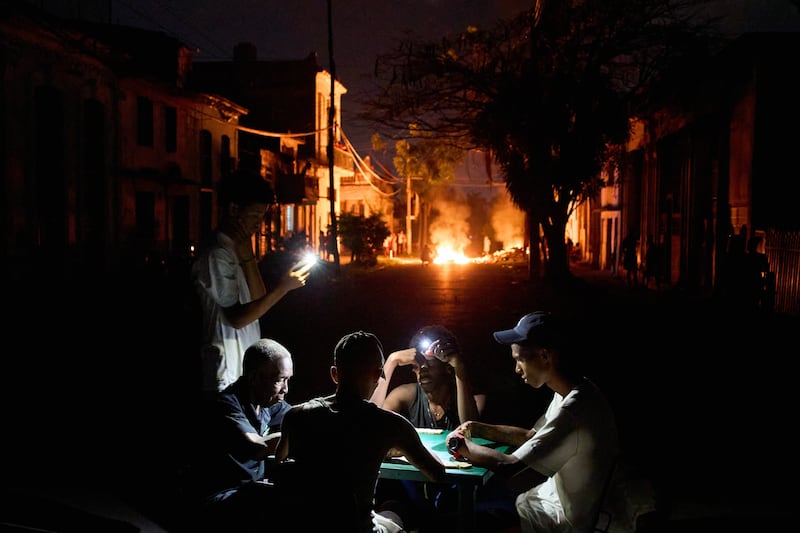

Not since Fidel Castro’s triumphant entrance into Havana on Jan. 8, 1959, has the fate of Cuba and its people been so uncertain. Following President Donald Trump’s announcement of a “maximum pressure” campaign at the start of this year, imports of petroleum and diesel have ceased. And the Caribbean nation has run out of fuel.
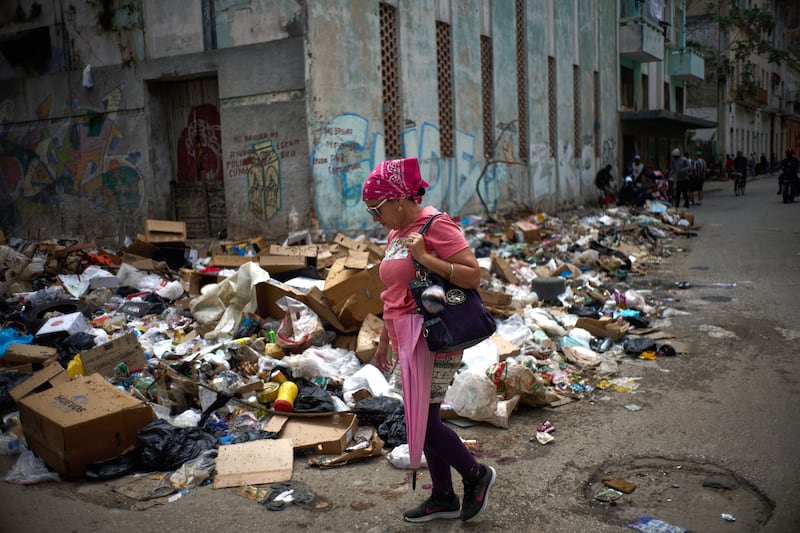
To be sure, Cuba has long suffered from fuel shortages and an ailing power grid. But never like this. There are nationwide multiday blackouts. No fuel for cars to move people to work or food to people. Schools are closed and hospitals sit on the brink.
Cuba has reached a breaking point.
U.S.-Cuba relations are a contentious topic at the best of times, and we are far from those. Yet there can be little debate that the current situation, the culmination of six decades of single-party rule and a crippling embargo, is untenable. Something must give.
For all the recent hostility, the two nations share a much older and more complicated past. The U.S. played a role in the island’s independence from Spain in 1898. But it also regularly sought to subject Cuba to direct or indirect control, including potential annexation.
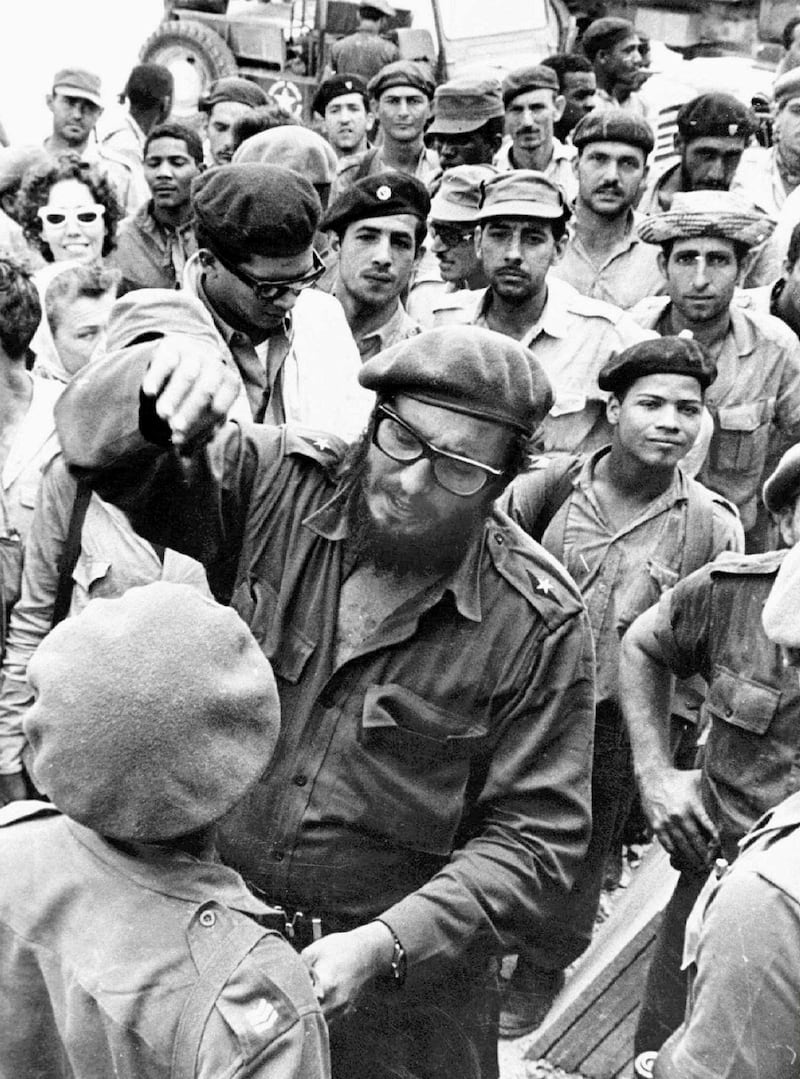
The revolution of 1959 marked a key turning point in the relationship. Castro’s 26th of July Movement initially received widespread popular support for removing the dictator Fulgencio Batista, and even tacit approval from the United States.
Castro visited Washington, D.C.; Boston; Princeton; and New York just four months after his victory on a goodwill tour. He spoke reasonable English and was an avid fan of baseball and basketball.
But things soon unraveled. Within a year, relations between the countries had deteriorated. By 1960, the Cuban government began accusing the U.S. of sabotage, especially after scores were killed in an explosion of a French ship in Havana.
The Eisenhower administration, in turn, refused to export oil, decried the Cuban crackdown against internal opposition and balked at the expropriation of U.S.-owned businesses and properties (starting with Standard Oil and Texaco, who declined to refine petroleum shipped from the Soviet Union).
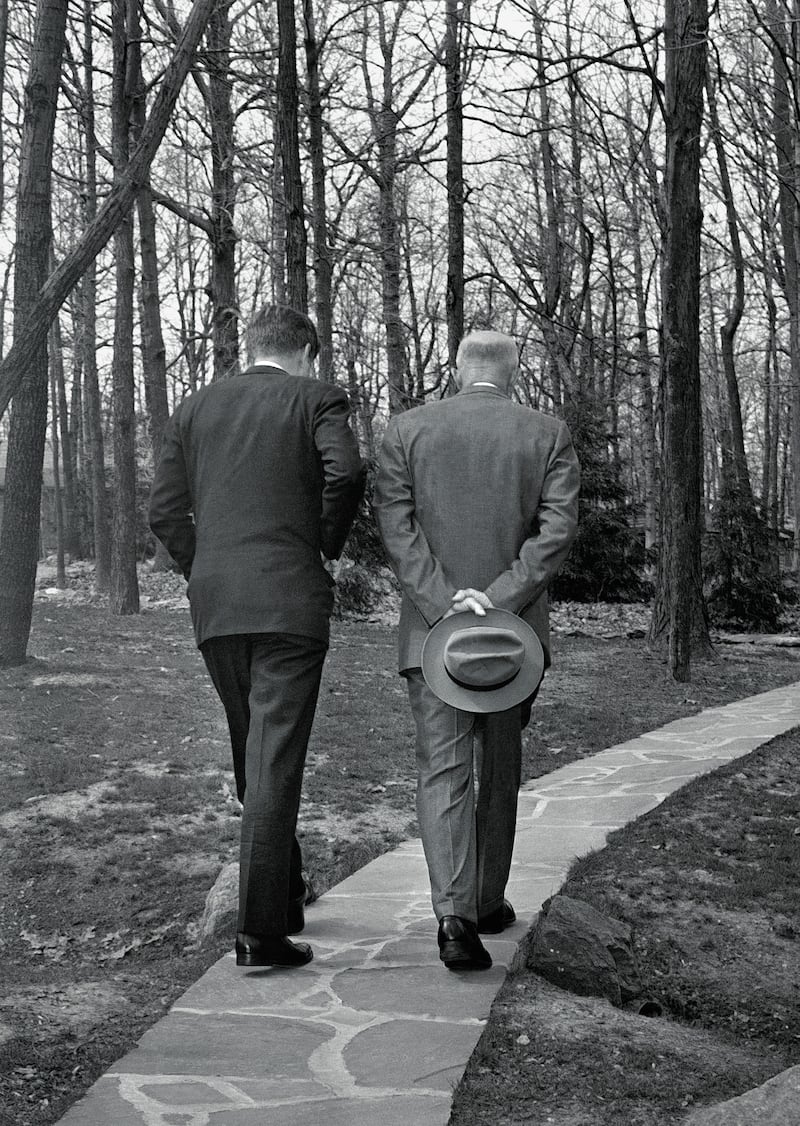
Then, in January 1961, Eisenhower broke diplomatic ties. In April, under the new Kennedy administration, Cuban exiles in Miami, backed by the CIA, launched an invasion that ended in spectacular failure — the infamous “Bay of Pigs.”
Kennedy ultimately extended and widened earlier restrictions, ordering a complete trade embargo (excluding non-subsidized food and medicine).
Amid all this, Cuba turned toward the Soviet Union. Tensions peaked in October 1962 with the discovery of Soviet missiles on the islands (not dissimilar to those the U.S. had placed in Turkey, which was right on the border of the USSR). A “quarantine” was subsequently announced to stop the arrival of Soviet ships — the word “blockade” was avoided because of international law, since blockades are recognized as an official act of war. Although the missile crisis eventually abated, the embargo did not.
The severity of the embargo has shifted over time. Carter and Obama lifted some restrictions, while Reagan and Clinton extended them. During Trump’s first term, the U.S. tightened sanctions again, which Biden had largely left in place.
The present administration, however, has gone further than any before. Cuba has been designated a state sponsor of terrorism (also done under Trump’s previous administration), with international investment choked, visa restrictions stiffened and, most consequentially of all, fuel imports blocked.
For the most part, Cuba was able to endure the embargo in the past. The Soviet Union provided vital imports, not least fuel. Even after the collapse of the USSR in the 1990s, until now — the most challenging moment since the revolution began — the island has withstood its challenges.
Some relief returned in the 2000s as oil-rich Venezuela emerged as a critical supplier of energy. When Venezuela faced problems with its own production, Mexico took its place.
But there are no more lifelines. Following the removal of Nicolás Maduro, the reconfigured regime in Caracas has halted shipments. So too has Mexico, under threat of sanctions. The only recent import of note was the arrival of one Russian oil tanker in late spring (with enough fuel for just 10 days).
Cubans are used to making do with the bare minimum. Now, they don’t even have that. Things are desperate. If the fuel blockade is left in place indefinitely, Cuba is facing the prospect of a serious humanitarian crisis and even greater social unrest.
There are clear ongoing efforts to use the crisis to foment regime change. Secretary of State Marco Rubio (whose parents left Cuba three years before Castro took power) recently said, “Cuba has an economy that doesn’t work and a political and governmental system that can’t fix it. So they have to change dramatically.”
The CIA director visited Cuba last week with an offer of $100 million in aid — but only if there are major political and economic reforms.
There is also increasing chatter of military action. Trump himself opined, “I do believe I’ll have the honor of taking Cuba.” Certainly, if recent actions in Venezuela and Iran are anything to go by, the prospect cannot be dismissed.
But will any of it work?
Popular opinion on the island is notoriously hard to gauge. There have been widespread protests recently, which is a rarity (organized opposition has been largely relegated to Miami). But there are many others, including powerful actors like the military, deeply invested in the continuation of the existing regime.
Wednesday marks Cuban Independence Day. But there will be little celebration on the island. Long caught between Havana, Washington and Miami, most of the population will do its best to survive.
Yet for all the uncertainty, one thing seems clear. The current situation, one way or another, appears to be reaching an end. What comes next, of course, remains to be seen.
Note: The author writes in his personal capacity, and any views expressed here do not reflect those of his employer.