


At a time when gamblers and sports are getting warm and cozy in front of the glow of endlessly televised games, it’s hardly shocking that scandals keep popping up in end zones.
Surely, this isn’t the first generation to discover that the pursuit of easy money can brush aside health, safety or even the integrity of athletics.
This may, however, be the first to energetically embrace sports gambling and be shocked by the results.
Should we be shocked?
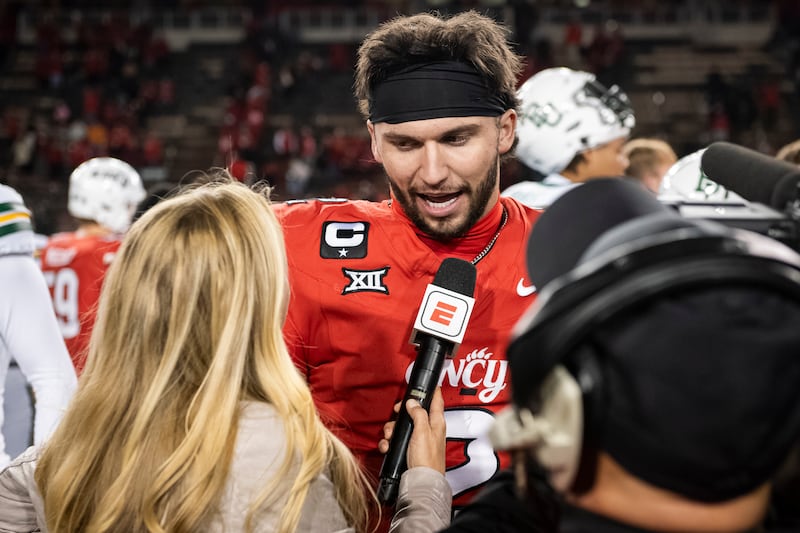
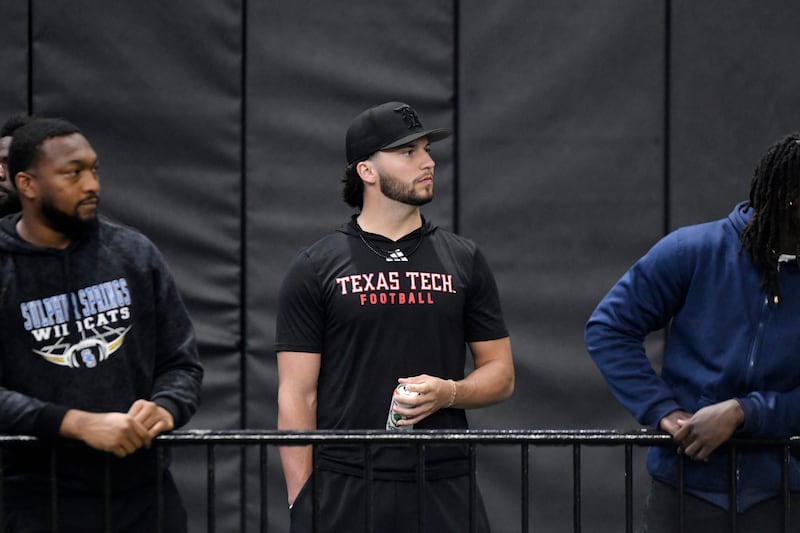
A Texas judge on Monday ruled that Texas Tech quarterback Brendan Sorsby, who had made thousands of online bets on games, including ones involving his own team when he wasn’t playing, should be eligible to keep playing despite a permanent ban handed down by the NCAA. To this, the college world reacted like police Capt. Renault in the classic film “Casablanca,” who, in a memorable scene, searches for a pretense to shut down a nightclub.
“I’m shocked, shocked to find that gambling is going on in here!” he says with feigned indignity, while a croupier conveniently hands him his winnings.
Concerning Sorsby, Mike Florio wrote for NBC Sports, “Ultimately, everyone connected to the situation is doing what they would be expected to do. A Texas judge issued a favorable ruling for a Texas school. Texas Tech is supporting Sorsby. Other schools are attacking Texas Tech.”
And no one seems overly concerned about a young man who, earlier this year, checked himself into a residential treatment program for problem gamblers.
There should be more concern about gambling addiction

These addictions are not just quaint little problems. They cause people to lose control over their urges and behaviors. They destroy lives. They cause people to continue placing bets despite being aware of the consequences.
Writing for the American Psychological Association, contributor Emily Sohn said, “People in their early 20s are the fastest-growing group of gamblers, according to recent research. And many kids are starting younger than that.
“Nearly two-thirds of adolescents, ages 12 to 18, said they had gambled or played gambling-like games in the previous year, according to a 2018 Canadian survey of more than 38,000 youth funded by the government of British Columbia.”
Don’t kid yourself. Gambling companies understand this well.
In an op-ed published in March by The Wall Street Journal, college quarterback Eli Thompson wrote about the plague sweeping across campuses.
“What starts out as a seemingly harmless diversion quickly becomes a trap,” he said. “I’ve had friends who have lost hundreds, lied to their families and pulled away from the team, all while chasing the rush of a winning bet that may never arrive.”
“Today’s college sports culture makes betting feel like a rite of passage,” he said, and many gambling companies “make it all too easy to pick up the habit.”
They spread enticing messages that become the wallpaper of the sporting world, with “slick marketing campaigns” and “celebrity-endorsed ads hyping the thrill of a quick win on TikTok and Instagram.”
When people inevitably become hopelessly and destructively hooked, few offer any help.
Preying on problem gamblers
Two years ago, The Wall Street Journal reported that “the companies collect customers’ betting habits, including gathering data on how much time players spend on the app, how much they gamble, what kind of bets they place and how much they lose.” Often they bestow VIP status on those who gamble the most and find ways to encourage them to do even more.
“Psychologists who study gambling addiction say that data could be used to identify customers with a problem,” the Journal said.
Against this backdrop, the Texas judge’s decision to grant an injunction allowing Sorsby to play was cruel. The NCAA and other schools were right to be outraged. However, everyone should also acknowledge the many enablers — from politicians who have made sports gambling legal, to leagues that take a share of the winnings, to predatory gambling companies, and to everyday people who value touchdowns over lives.

We should hope that Sorsby’s decision to check into a rehab facility pays off and that he can divert himself from a destructive path. We should hope he can surround himself with people who have his best interests at heart.
And we should hope the rest of society learns from the wisdom of past generations and turns itself, once and for all, away from legal gambling before it destroys the integrity of all games.