



Americans were almost granted an easier way to cancel their unwanted subscriptions, but a federal appeals court shut it down.
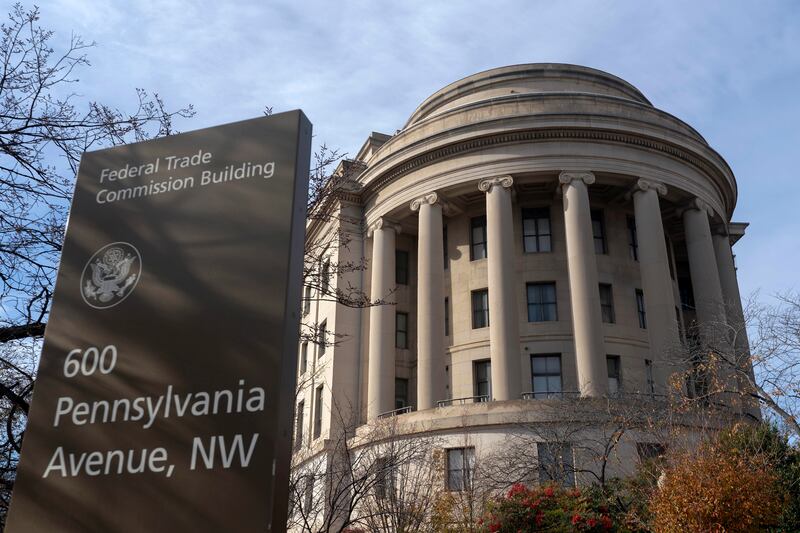
Last year, the Federal Trade Commission announced the “click to cancel” rule that would require companies to be more transparent about user subscriptions, specifically making it just as easy to cancel as it was to join.
But the U.S. Court of Appeals for the 8th Circuit struck down the rule on Tuesday, citing procedural errors by not including a “preliminary regulatory analysis, which is required for rules whose annual impact on the U.S. economy is more than $100 million,” according to The Associated Press, though the FTC claimed its research showed the annual impact would be less than that.
The 3-0 ruling was decided even though the judges admitted that “we certainly do not endorse the use of unfair and deceptive practices in negative option marketing, the procedural deficiencies of the Commission’s rulemaking process are fatal here.”
“Many American consumers have found themselves unwittingly enrolled in recurring subscription plans, continuing to pay for unwanted products or services because they neglected to cancel their subscriptions,” the ruling added.
The rule, scheduled to take effect on Monday, would have mandated that businesses notify users when a free trial is about to end and always require client approval for any account changes.
Anything from Netflix subscriptions to food delivery services to the apps your child buys on your phone — all would have to comply with the “click to cancel“ would it have passed.
The horror of an unwanted subscription
Four years ago, Hallie Wilson went in person to cancel her gym memberships. She said the front desk told her to simply go online to cancel, she told the Deseret News. So she did.
That was 2021, and five months ago, a man approached her front door to serve her papers for the unpaid fees.
Wilson said the man went to her mother’s and sister’s houses, both of whom live in different cities from her, and the part she found most bizarre is that she doesn’t receive mail where she currently lives, meaning there’s no paper trail that ties her to where she lives.
She ended up calling the debt collector and paying a $175 bill to her gym. “I asked the person if they had, like, multiple cases like this, and they’re like, ‘Yeah, this often happens because you have to submit a written form that says that you want to cancel and mail it in.’”
Wilson said she had no idea.
According to Men’s Health, gyms are notorious for making the cancellation process more gruesome than their workouts. “Simply put, the contracts are so complicated because they are drafted by attorneys,” attorney Steven M. Katz told the outlet. “Attorneys typically have seen every loophole or angle that a customer can use to wiggle out of a contract, so the drafting attorney has tried to seal up every potential loophole.”
So, when it’s actually time for gymgoers to cancel their memberships, they often end up just paying the monthly fee instead of dealing with the cancellation process.
As many as 18% of all gym memberships in the U.S. go completely unused, and “Americans waste approximately $1.3 billion annually on unused gym memberships,” per Mirrors Delivered.