


A Phoenix suburb rejected a proposal to build an artificial intelligence data center last week.
The unanimous vote came after a four-hour public comment period in Chandler, a community of 280,000 located southeast of Phoenix.
According to reports, the city received more than 250 comments against the request from a New York developer to rezone land to build a data center. Only 10 comments favored the proposal.
Residents rallied against the $2 billion project for several reasons, including concerns that it would raise electricity prices and use too much water.
As Phoenix New Times reported, this facility planned to consume more than 17 million gallons of water a year. This vote comes at a time when Arizona braces for a potential 20% reduction in water supply as states in the Mountain West fight over their share of the Colorado River, which faces a period of drought.
AI centers require massive amounts of water for electricity and to cool down the servers and prevent overheating.
But Active Infrastructure officials assured residents at a city council meeting that their data centers would use a cooling system that uses less water.
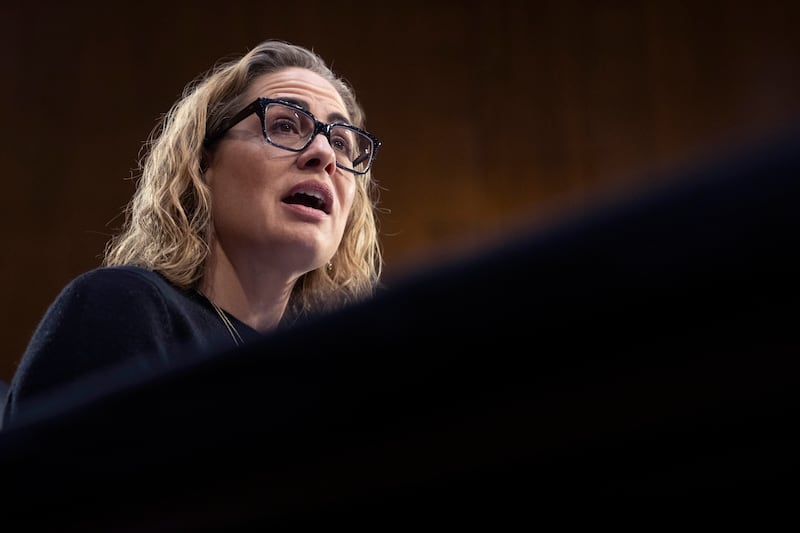
Former Arizona Sen. Kyrsten Sinema also lobbied in favor of the proposal, arguing that this project would boost the local economy.
In an October city council meeting, Sinema said that AI is already taking away jobs in Chandler’s tech district, the South Price Road Corridor. There are three call centers that exist on this corridor and all of them will cease to exist within five years, she added, as the Deseret News previously reported.

“The way to get more jobs in this corridor is to build the compute power that will attract the companies of tomorrow, the compute power that they will need close to them in order to function at the highest levels,” she said in an October city council meeting, as the Deseret News previously reported.
In a recent interview on “Fox & Friends” on Thursday, the same day as the city council vote, she said, “China is doing everything it can to dominate AI globally and they will program the AI with Chinese values.”
“And President Donald Trump is 100% right. We’ve got to double down and make sure that American values are the values of the world and that we control this global AI agenda. And that’s why these data centers are so important all across the country.”
“We have got to win that race,” she said.
On Dec. 11, Trump signed an executive order titled the AI National Framework that nullifies state laws that hinder the U.S. in this technological race.
“People think, ‘Oh, the robots are gonna take over.’ But what they’re maybe not thinking about is how it’s enhancing their lives already,” she said, pointing to AI-optimized firetruck and school bus routes as early examples of how communities are benefiting from the new technology.
Her lobbying for the New York-based developer fell short as the project failed to meet land use requirements to construct a data center and five office buildings. The site for this proposed project has remained vacant since 2019.
“This is not just Chandler. We’re dealing with this all over,” Eric Runnestrand, a Chandler resident opposed to the project, told Politico. “Having the community show up sends a message to the elected officials. They need to feel the people’s power behind them.”
At the October meeting, Sinema suggested the AI Infrastructure Coalition, which she founded earlier this year and of which she is the co-chair, is “working hand in glove with the Trump administration to ensure American AI dominance.”
She hailed Chandler as the home of the semiconductor revolution before pitching the next path forward. Arizona’s chip manufacturing, which is also water-intensive, is already straining local resources. Three of the factories in North Phoenix require 16.4 million gallons a day, equivalent to the water usage of roughly 200,000 homes.
“We are now at the tip of an AI revolution,” Sinema told Chandler’s Planning and Zoning Commission. “This AI hub meets the ordinance that was passed by the City Council in 2022.”
Chandler’s story is one every city and town in the Mountain West should pay attention to. Because of ongoing drought conditions and increasing demands, public water supplies will need to be managed more carefully.
According to Data Center Watch, since 2023, $64 billion in data center projects have been blocked or delayed because of local opposition.
Despite the bipartisan backlash, the Trump White House hopes AI infrastructure projects bypass some local and state barriers.