

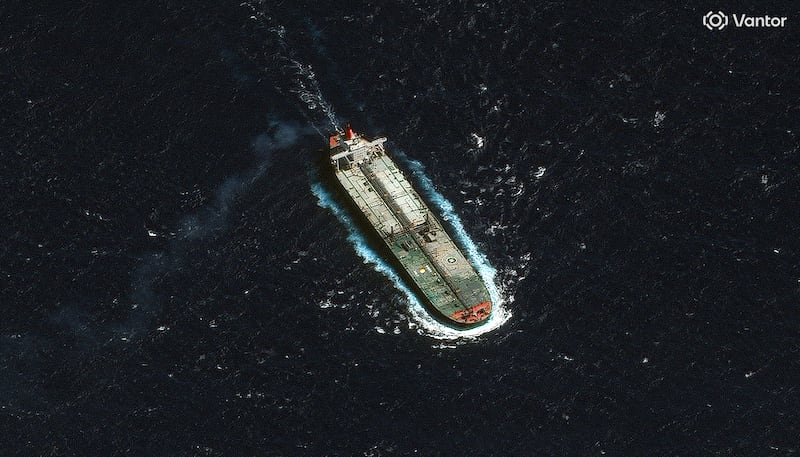

- President Trump ordered a total blockade of sanctioned Venezuelan oil tankers, designated the Maduro regime a foreign terrorist organization, and framed the move as reclaiming U.S. assets he says were stolen.
- The “theft” claim refers to Venezuela’s nationalization and later re-nationalization of an oil industry originally built by U.S. companies, which led to contract disputes and multibillion-dollar settlements with Exxon and Conoco.
- Venezuela condemned the blockade as foreign interference, while PDVSA said oil exports continue normally despite the U.S. action.
President Donald Trump late Tuesday ordered a “total and complete blockade” of sanctioned oil tankers coming in and out of Venezuela and declared the Nicolás Maduro regime a foreign terrorist organization.
The announcement follows months of escalating pressure against Maduro’s regime, including boat strikes targeting suspected drug smugglers, which have killed at least 95 people. Critics say the U.S. has stepped up its aggression to force regime change and that targeting the boats is not justified.
On Truth Social, Trump said a fleet of warships “completely surrounded” the South American country, and it would only leave if Venezuela returns “all of the Oil, Land, and other Assets that they previously stole from us.”
He continued, “America will not allow Criminals, Terrorists, or other Countries, to rob, threaten, or harm our Nation and, likewise, will not allow a Hostile Regime to take our Oil, Land, or any other Assets, all of which must be returned to the United States, IMMEDIATELY.”
White House adviser Stephen Miller responded to Trump’s post, Wednesday morning, giving some more context on how Venezuela has stolen American oil, land and assets.
“American sweat, ingenuity and toil created the oil industry in Venezuela. Its tyrannical expropriation was the largest recorded theft of American wealth and property,” he wrote. “These pillaged assets were then used to fund terrorism and flood our streets with killers, mercenaries and drugs.”
What is this talk of theft about?
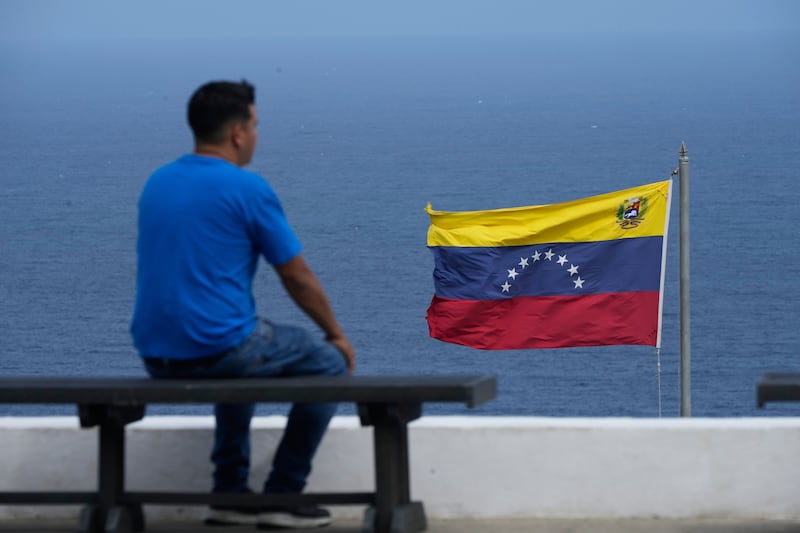
Trump and Miller’s statements on the oil blockade seem to reference the long tie between the oil industries in the U.S. and Venezuela.
In the early 20th century, several U.S.-based oil companies established concession agreements with Venezuela to invest in, produce and export petroleum resources in the country. By 1970, Venezuela was producing 3.7 million barrels a day, outproducing nearly every other country in the world, per the Library of Congress. This production was largely driven by foreign companies.
Then Venezuela decided to fully nationalize their oil sector in 1976. When production declined more than 50%, the nation re-invited international oil companies, including Chevron, Exxon and Conoco, to control Venezuelan oil fields.
Production increased again through the 1990s, until former president Hugo Chávez was elected in December 1998. Once in office, he re-expanded the state’s control of the oil industry, unilaterally modifying contract terms for international oil companies, per the State Department.
Exxon and Conoco stopped operating and filed lawsuits for contractual violations.
Venezuela’s state-owned oil and natural gas company PDVSA agreed to pay Conoco $2 billion and Exxon $1.6 billion in settlements in 2018 and 2014, respectively.
Venezuela responds to the blockade
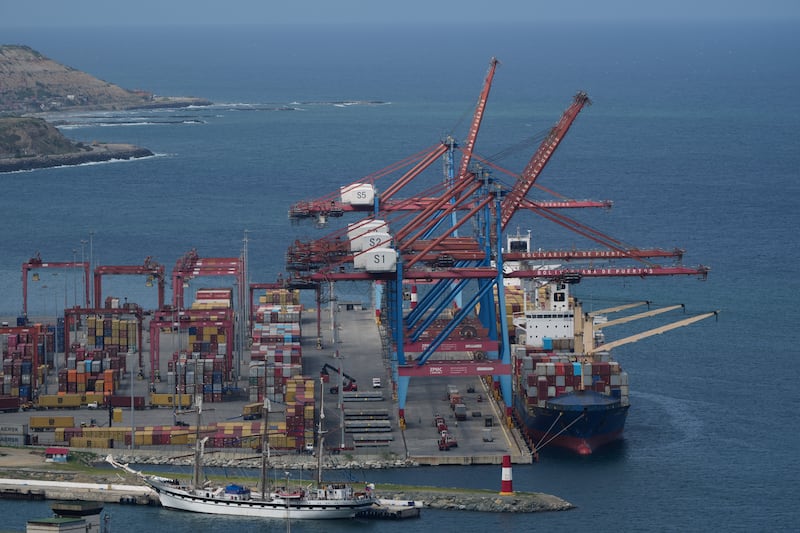
Venezuela’s National Assembly president Jorge Rodriguez said on Tuesday that Trump and Miller’s statements “reveal an intention to interfere in the country’s internal affairs,” per the state-controlled newspaper Agencia Venezolana de Noticias.
“We already know what the strategy is: they’re coming back with the drug issue,” he said.
PDVSA issued a statement about the blockade, Tuesday, saying all “crude oil and derivative export operations are proceeding normally.”