

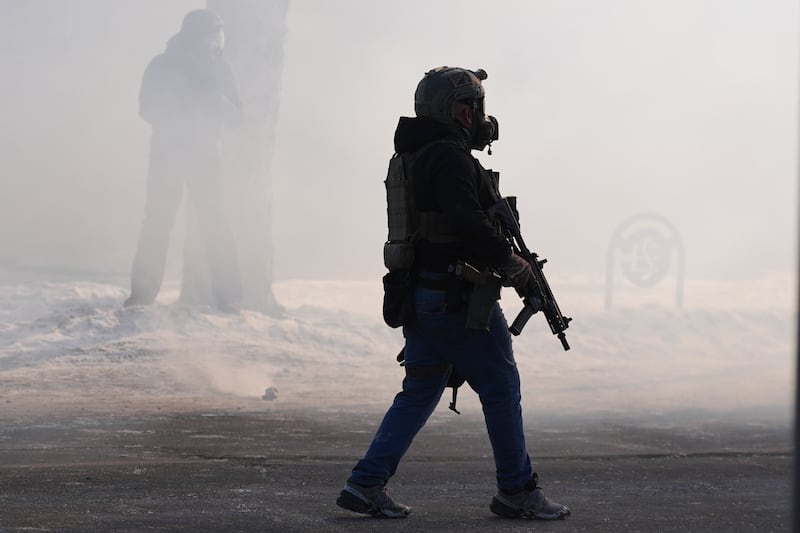

While much of the conflict in Minnesota has been on the streets amid demonstrations there, there’s also been conflict over federal immigration enforcement efforts in the courts.
Over the course of the month, agents from Immigration and Customs Enforcement and Customs and Border Protection have been met on the ground by local protesters. This has led to the detention of many of the demonstrators and the two fatal shootings of Renee Good and Alex Pretti. The state has erupted in unrest and left the Trump administration looking to change its tactics.
While the administration and demonstrations may quiet down, the battle, however, is far from over as the federal tactics are challenged in court and investigations into the two deaths continue.
Here’s a quick look at where things stand:
DOJ probes Walz over immigration enforcement
Federal prosecutors served grand jury subpoenas earlier this month to Minnesota officials as part of an investigation examining if they obstructed or impeded law enforcement during immigration enforcement efforts in the Minneapolis-St. Paul area.
The subpoenas seek records from Minnesota Gov. Tim Walz, Attorney General Keith Ellison, Minneapolis Mayor Jacob Frey, St. Paul Mayor Kaohly Her and other county officials, The Associated Press reported.
The subpoenas are part of an investigation led by the Department of Justice to see if state officials obstructed immigration enforcement through public statements made.
Both Walz and Frey have pushed back on the investigation, saying that the federal government is looking to create fear.
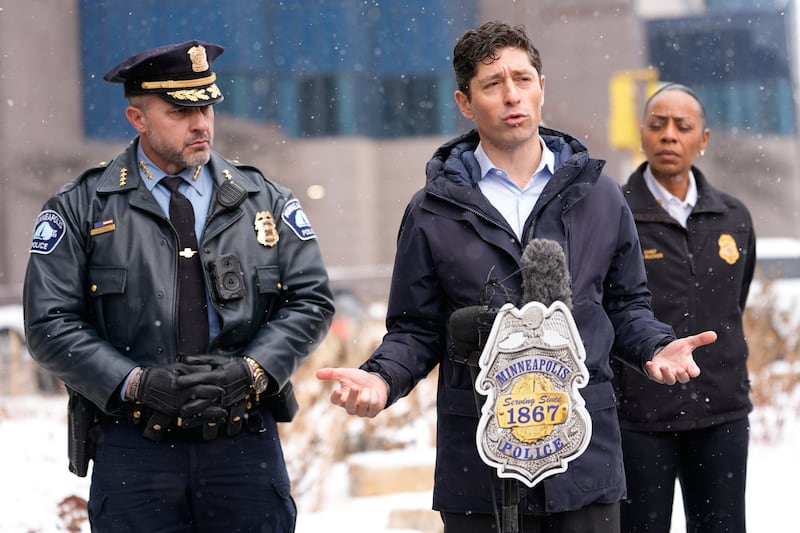
“We shouldn’t have to live in a country where people fear that federal law enforcement will be used to play politics or crack down on local voices they disagree with,” Frey said.
The subpoenas also came just after Minnesota and the Twin Cities sued the Trump administration to try and stop the federal agents from conducting enforcement efforts in the state.
Attorney General Keith Ellison said in a statement that deploying ICE officers in Minnesota was essentially a “federal invasion.”
“These poorly trained, aggressive and armed agents of the federal state have terrorized Minnesota with widespread unlawful conduct,” Ellison said.
Judge summons ICE leader in Minnesota
U.S. District Judge Patrick J. Schiltz released a filing on Monday, just days after Pretti was killed, where he demanded the acting chief of ICE appear in court on Friday. The judge threatened to hold him in contempt if he did not follow the court’s orders.
“The court’s patience is at an end,” he wrote, per The Washington Post.
The summons was sent to acting ICE director Todd M. Lyons and said several times that ICE failed to comply with orders from courts.
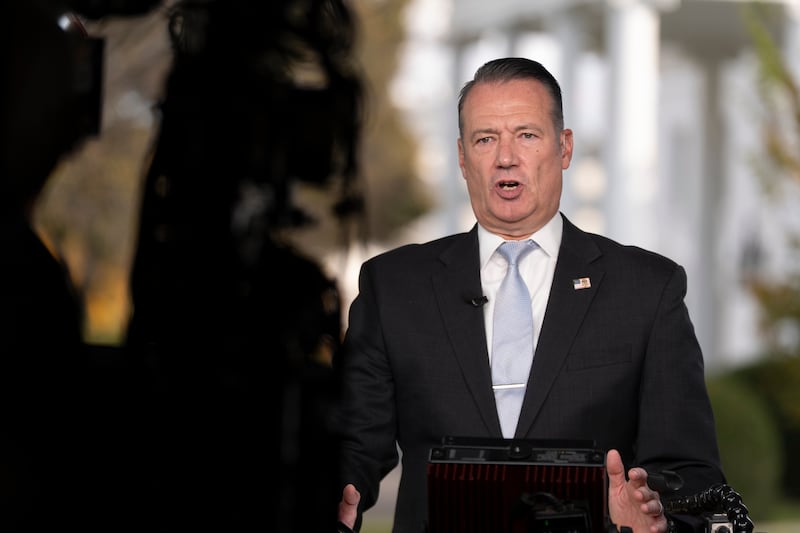
Schiltz wrote in the summons that he acknowledged that it was an unusual and extraordinary request of “ordering the head of a federal agency to personally appear” before the court.
“But the extent of ICE’s violation of court orders is likewise extraordinary, and lesser measures have been tried and failed,” he wrote.
Schiltz’s request comes from a case in which he ordered the release of an Ecuadorian man more than two weeks ago, and the man has remained in ICE custody.
If the man was released before Friday’s hearing, the summons for Lyons would be dropped.
Death investigation fury
After Good and Pretti’s deaths, state leaders like Walz are calling on the Trump administration to allow for an impartial investigation. They argue that since the individuals were killed by federal agents, the investigations should not be handled by federal investigators.
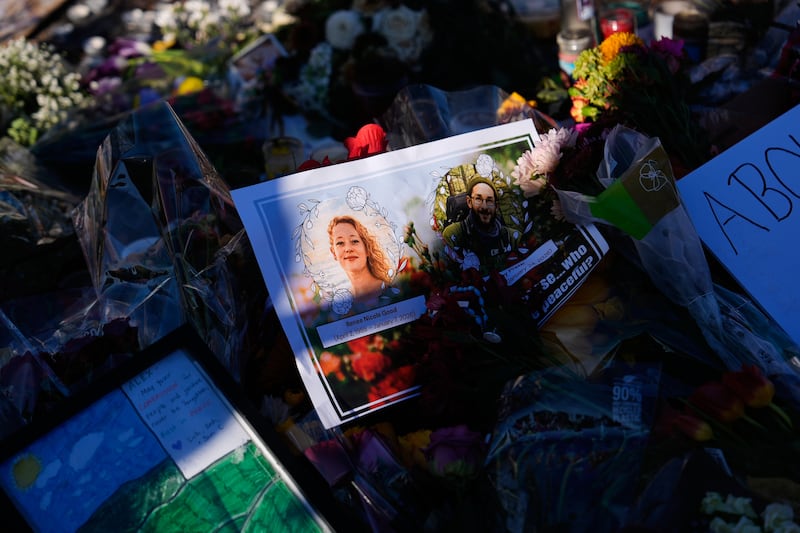
It was revealed Wednesday by Department of Homeland Security spokesperson Tricia McLaughlin that the two federal officers who fired their guns during Pretti’s fatal shooting were placed on leave directly after the shooting, which contradicted acting Border Patrol Commander-at-large Gregory Bovino’s statement that the two agents were still working.
It’s currently not clear whether ICE agent Jonathan Ross, who fatally shot Good, was still on leave, but it was reported earlier this month that he was recovering from injuries sustained when he was hit by her vehicle and was not immediately back at work.
Following each of their deaths, the state has insisted on an impartial investigation. After Pretti’s death, state officials made clear they did not trust federal agencies to lead an impartial investigation.
State investigators wanted to work with the FBI for the investigation into Good’s death, but the U.S. Attorney’s Office restricted Minnesota investigators’ access to the case. After Pretti’s death, the scene was blocked off and a search warrant was issued from Hennepin County to access the area. However, federal agents still blocked investigators from the scene.
Walz is demanding that local law enforcement and investigators work with the federal government during the investigation process. He said he has spoken with President Donald Trump multiple times about the importance, saying that the “federal government cannot be trusted.”
Other court actions have included a case that bans federal agents from detaining or using tear gas against protesters. This case has been stayed by an appeals court.
Preliminary report on Pretti’s death
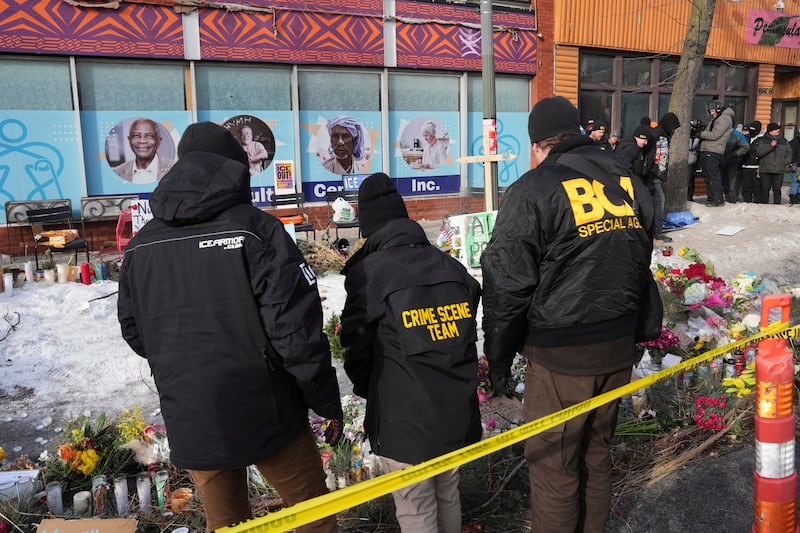
According to a Customs and Border Patrol preliminary investigation obtained by the Deseret News, at approximately 9 a.m. local time, an officer was confronted by two female civilians. When ordered to move and they refused, the officer pushed them away. One attempted to run to a man, later identified as Pretti.
The woman and Pretti did not move and the officer deployed pepper spray. Personnel attempted to take Pretti into custody and a struggle ensued. During the struggle, a Border Patrol agent repeatedly yelled “He’s got a gun!” and discharged an issued Glock 19 and another officer discharged his issued Glock 47, the report said.
At 9:02 a.m., officers cut Pretti’s clothing and provided medical aid until Minneapolis emergency services arrived and took over. He was then transported to the hospital and pronounced dead at 9:32 a.m.
Investigations into Pretti’s death are ongoing.