

- A proposed Oregon ballot initiative known as the PEACE Act has gathered 90% of the signatures needed to qualify for the November ballot, with 12,000 still required by July 2.
- If approved, the measure would criminalize a wide range of animal-use practices, impacting an industry that generated $4.4 billion and supported more than 30,000 jobs in 2022.
- Supporters frame the effort as a long-term moral movement, while critics warn it would devastate Oregon’s economy and disrupt wildlife population management.
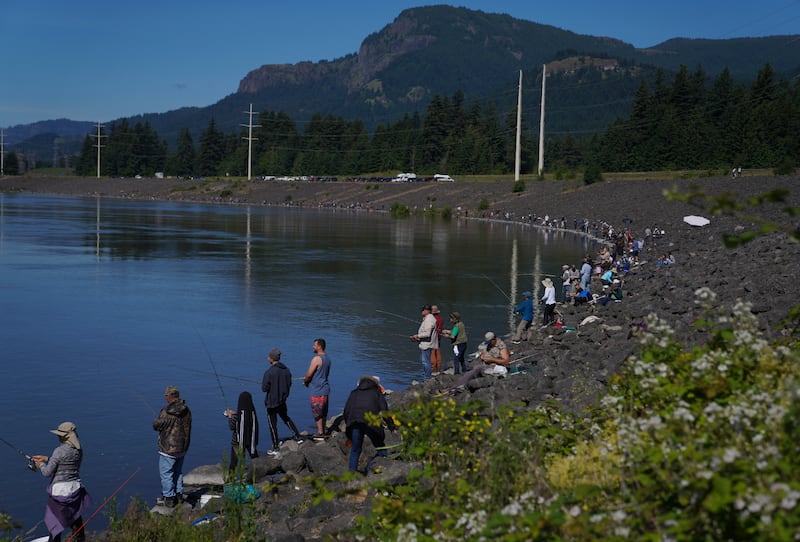
A proposed Oregon ballot initiative that would criminalize hunting, fishing, animal husbandry and livestock slaughter has reached 90% of the signatures required to get on the ballot as of Tuesday.
Petitioners have until July 2 to gather 12,000 more to qualify for the November ballot.
If approved, the People for the Elimination of Animal Cruelty Exemptions (PEACE) Act would criminalize pest control, commercially grown poultry, the use of animals in rodeos, training techniques, wildlife management practices, scientific research that involves animals and more.
In 2022, animal agriculture contributed $4.4 billion to Oregon’s economic output and employed more than 30,000 people.
When asked about the effect the initiative would have on farmers if passed, PEACE Act chief petitioner David Michelson told ABC2, “There are so many different alternatives. Thirty percent of Oregon agricultural sales are animal related, 70% are crops. We can have 100% of those be crops if we wanted to.”
Petitioners compare the initiative to the 19th amendment
Michelson compared the initiative to the women’s suffrage movement, which culminated in the ratification of women’s right to vote in 1920.
“It took 50 years to get women’s suffrage,” he told Cowboy State Daily. Criminalizing animal-use practices will take a long time, but the initiative has gotten people thinking about it, he said.
The initiative’s website says, “We believe everyone should be equally protected under the law, and that all animals deserve equal consideration, regardless of whether or not we consider them our companions. All animals deserve a life free from cruelty.”
The ‘Humane Transition Fund’
If passed, the initiative would establish a “Humane Transition Fund” to mitigate economic damage to anyone whose livelihood was shut down.
It establishes a “Transitional Oversight Council” that would issue grants “to help with food assistance” either through food and cash benefits or “opening private or state-run grocery stores.”
The council would also “cover all the costs of operating a job retraining program” and “replace lost income due to the implementation of this Act until the individual has completed” the job retraining program or gotten a new career.
Not only would the Humane Transition Fund cover the cost of humans’ lost income, but it would “cover the costs of animal care” for any animals that “could no longer be killed or harmed.”
Many Oregon residents are opposed to the initiative
Selah Tenney, a rural Oregon resident, told Cowboy State Daily, Michelson is “truly an extremist.”
She echoed the sentiment of many other Oregonians who say, even if the initiative makes it on the ballot, the chance it gets passed is small.
But if it did pass, oyster bar owner Michelle Wachsmuth told ABC2, “It would be devastating for our business.”
“I would still be serving seafood, but we would have to import everything from another state,” she explained. “Downtown Portland is already in a recession, and Oregon is number five in unemployment.”
She added, “It’s gonna send us right from a recession right into a depression. It’s like, how much more can this poor state take?”
Outside potential economic damage, the initiative would also likely throw Oregon’s wildlife population out of whack. An Oregon Hunters Association chapter president, Levi Barrera, told a CBS affiliate, “If you take away hunting, there will be an out-of-control effect on the population.”