


U.S. inflation was 2.4% year-over-year in February, unchanged from January, according to the latest data released Wednesday by the U.S. Labor Department.
The report also shows that core inflation (excluding food and energy) was 2.5%, the lowest in about five years, according to The Associated Press.
What this data doesn’t include, however, is the economic shock from the Iran war that began Feb. 28, which has already increased oil prices by 70% and gas prices by 20%, according to analysts.
Senior economist Laura Rosner-Warburton warned March inflation could jump up another 0.9% monthly, the highest it’s been in four years, as reported by The Associated Press.
Oil and gas prices are the biggest economic risk
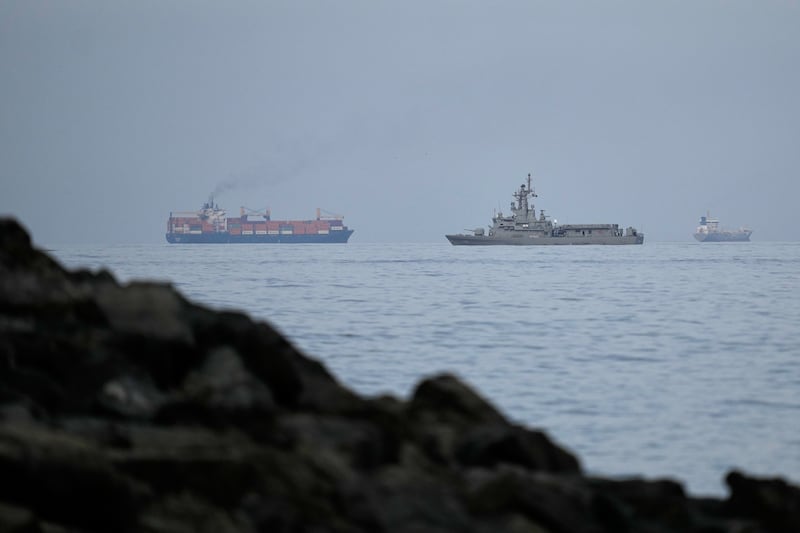
The war has disrupted shipping through the Strait of Hormuz, where about 20% of the world’s oil supply normally passes through, as the Deseret News and other media outlets have reported.
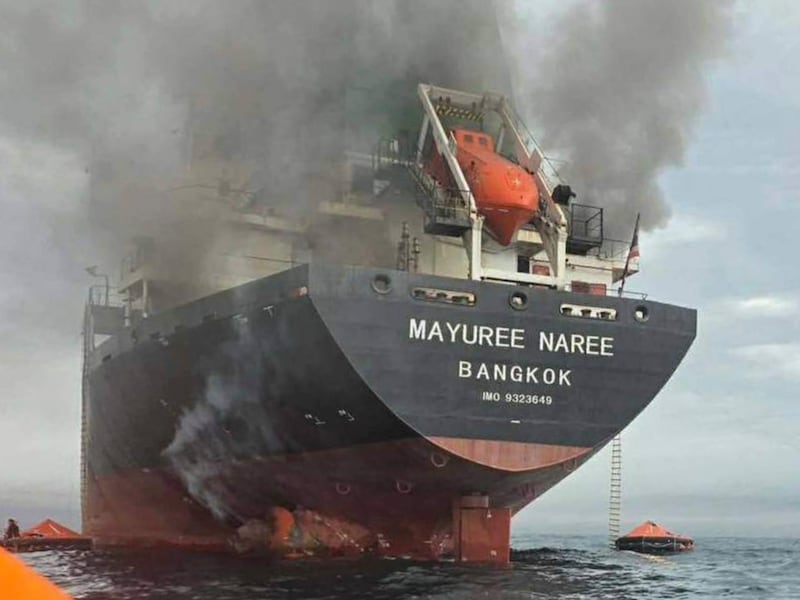
One expert thinks oil could reach $150 per barrel if the strait stays closed, per The Associated Press.
Oil prices have spiked from under $70 to nearly $120 per barrel before dropping back to around $87-$90.
Gas prices have been impacted as well, though prices typically rise during warmer months.
U.S. gasoline prices jumped roughly 20% in a month to about $3.58 per gallon nationwide, according to AAA.
Chief economist at the National Retail Federation, Mark Mathews, told the AP that U.S. households pay $2,500 a year, or roughly $50 a week, to fill up their cars with gas.
A 20% increase in gas prices translates to an extra $10 a week, which could force families to cut back expenses elsewhere, Mathews said.
Rising fuel costs affect much more than driving
As a result of the energy shortage, higher energy prices could ripple through the whole economy.
For example, shipping and transportation have become more expensive, so businesses have raised prices on goods and groceries.

According to The Associated Press, grocery prices rose 0.4% in February and were up 2.4% from a year earlier.
The AP also reported that because fertilizer exports moving through the Strait of Hormuz have obviously been disrupted, food prices could increase globally, and poorer countries face the highest risk.
“The effects are going to be most devastating in low-income countries where agricultural productivity may already be challenged,” said Maurice Obstfeld, a senior fellow at the Peterson Institute.
The bottom line is that the conflict is turning what looked like improving inflation into a new economic shock.
Energy prices seem to be the key variable that could determine whether inflation rises again, markets stabilize, or the global economy slows.