

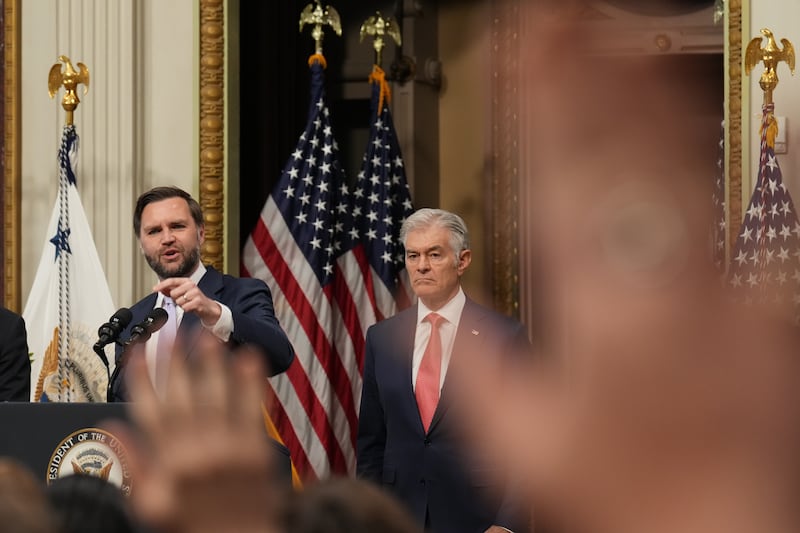

The Trump administration is serious about tackling fraud in federally-funded healthcare systems.
Vice President JD Vance and Centers for Medicaid & Medicare Services Administrator Mehmet Oz announced changes to Medicaid and a new freeze on Medicare providers.
The announcement comes as the administration ramps up its attention on fraud. President Donald Trump in March signed an executive order appointing Vance to lead a task force.
Oz on Wednesday said CMS, the Office of the Inspector General, the Justice Department and the FBI are all part of the task force.
“You put those things together, you make a powerful fist, and that’s the fist we’re going to punch through bureaucracies and realities that are stopping our ability to protect the American people,” he said.
Medicare freeze
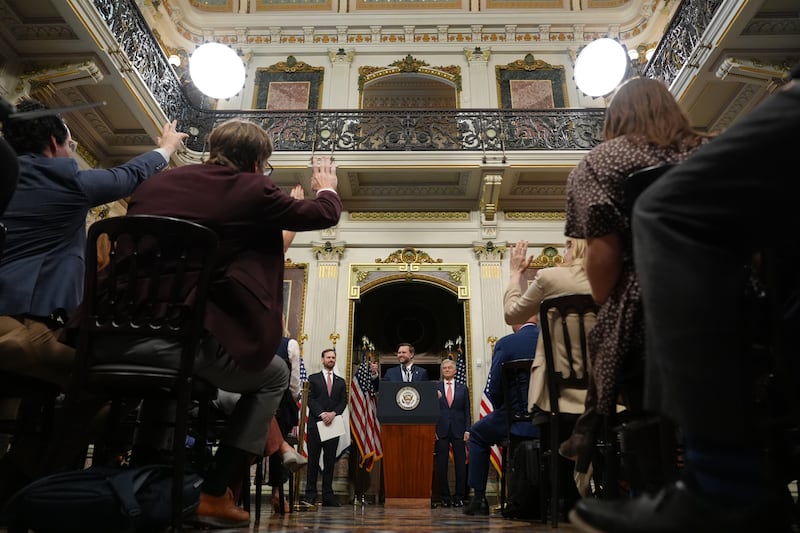
A six-month freeze went into effect immediately on Wednesday and will prevent new providers from signing up to receive reimbursements from Medicare, a program primarily for older adults, who have contributed to it during their earning years.
In a press release early Wednesday, Oz said the administration has seen “systemic and deeply troubling” fraud in the hospice and home health industry. The administration will be “aggressively” identifying, investigating and removing the fraudsters.
The freeze will mean new home health and hospice enrollments in Medicare won’t be accepted and current enrollments and existing providers won’t be impacted.
Oz explained that the moratorium would be happening nationwide after a focus in California led fraudsters to move about the country.
He also shared that a letter went out to all states two weeks ago asking them to respond if they would be revalidating their home health providers. Every state responded, he said.
“So, contrary to the narrative around red and blue, every state wants to protect their citizens, some are just more competent or brave enough to actually make those steps,” Oz said.
The idea of a six-month moratorium isn’t new. Former President Bill Clinton issued one for home health fraud in the 1990s.
Withholding of Medicaid funds
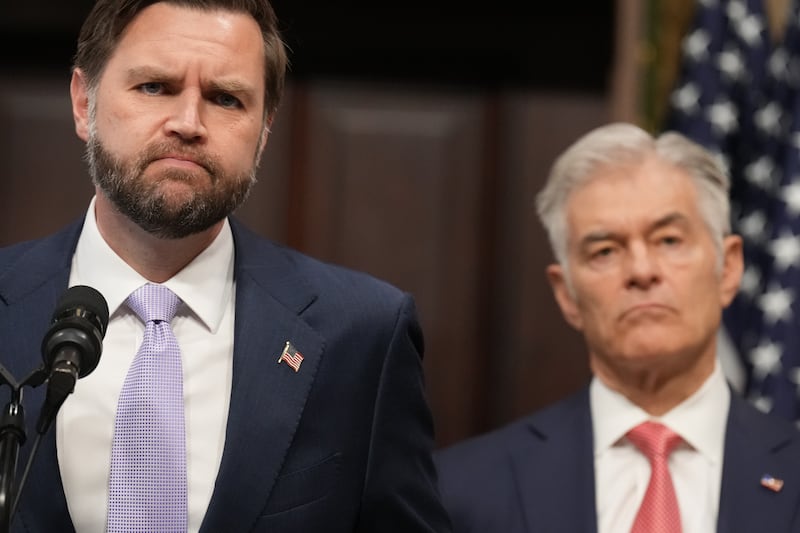
The heightened attention partially stems from a massive fraud scandal in Minnesota potentially amounting to billions of losses due to bad actors in the state taking advantage of Medicaid programs, which is a safety net program for very low income people. The federal government this year said it would be withholding more than $250 million in funds and threatened to cut $2 billion.
CMS has increased its attention on Medicaid in several states, requesting information from California, Minnesota, Maine, New York and Florida.
Vance announced $1.3 billion in Medicaid reimbursements would be deferred from the state of California.
“The simple reason is because the state of California has not taken fraud very seriously,” Vance said. “So there are California taxpayers and American taxpayers who are being defrauded because California isn’t taking its program seriously.”
California Gov. Gavin Newsom’s office said the Trump administration gave the state a deadline later in the month of May so the government could review data before they would decide to defer funding. Newsom’s office said the administration decided to act Wednesday and didn’t notify the state.
Oz said it’s the largest deferral ever made and they’re making it for “good reason.” He said the state needs to come to the table to explain.
Additionally, Vance and Oz announced that across all 50 Medicaid programs, letters would be sent requiring them to show they are “effectively and aggressively” prosecuting Medicaid fraud.
“Now, we have red states and blue states that go after fraud aggressively, but we also, unfortunately, have some states, mostly blue states, unfortunately, that do not take Medicaid fraud very seriously,” Vance said.
If a state isn’t able to prove that it is prosecuting fraud, the federal government will turn off funding to its Medicaid Fraud Control Unit. Vance said that is not the goal, but they do want to ensure that states are taking fraud seriously.