
CIA Director John Ratcliffe met with Cuban officials on Thursday after the country announced it had run out of fuel.
Officials told The Associated Press that Ratcliffe visited Cuba to deliver “President Donald Trump’s message that the United States is prepared to seriously engage on economic and security issues, but only if Cuba makes fundamental changes.”
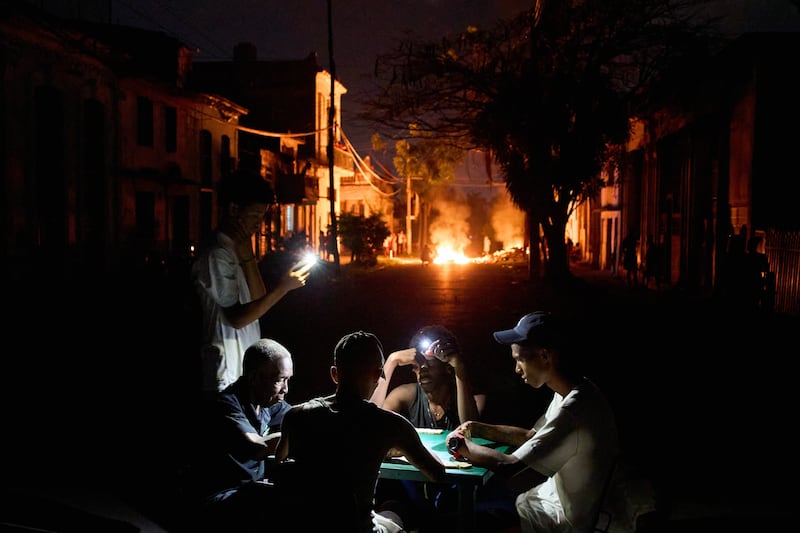
The nation, amid the war in the Middle East, has depleted its oil reserves and is now facing long blackout periods.
Cuba previously received large amounts of oil from Venezuela, according to Secretary of State Marco Rubio, but the oil supply stopped when the U.S. captured former leader Nicolas Maduro in January.
Since the blackouts began, hundreds of thousands of Cubans have taken to the streets in rare protests.
The crisis comes as Cuba faces mounting pressure from the Trump administration.
When speaking at Forum Club of the Palm Beaches earlier this month, Trump mentioned Cuba and said “we will be taking over almost immediately.”
“I think I could do anything I want with it,” Trump continued.
Cuba faces energy emergency
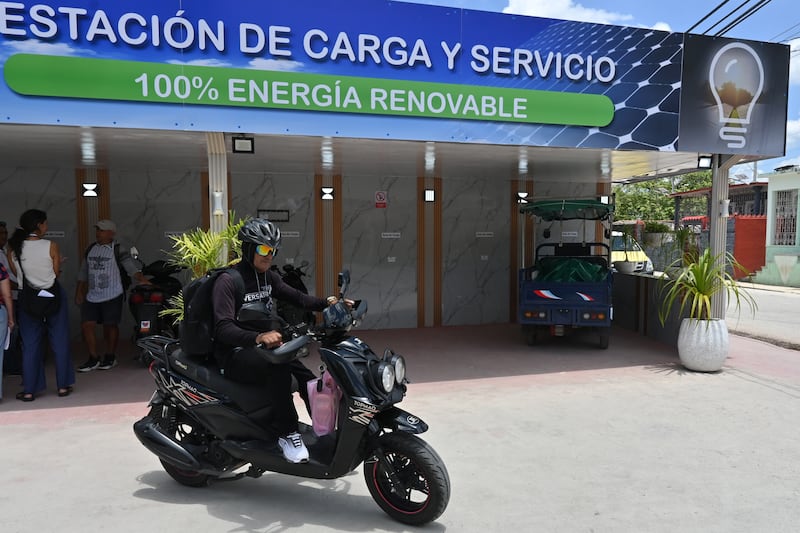
For the past few months, amid the fuel crunch, Cuba has been facing repeated power outages across the island.
Cuba’s energy crisis comes after years of energy-related issues brought on by the nation’s aging and outdated power grid, which has made it difficult to keep up with the island’s energy demands, the AP reported. Due to its prolonged economic crisis, the government has been unable to make needed updates to its infrastructure.
During a news conference, Cuban Energy Minister Vicente de la O Levy announced, “We have absolutely no fuel, oil, and absolutely no diesel.”
Many Cubans have taken to social media to document the large blackouts and protests that have been seen due to the energy crisis.
U.S. increases pressure on Cuba
Since the beginning of the year, the U.S. has amplified its economic and political pressure on Cuba.
In January, Trump signed an executive order that effectively blocks Cuba from receiving oil produced outside of the island country.
On Thursday, Ratcliffe, along with CIA officials, traveled to Havana to meet with Raúl Guillermo Rodríguez Castro, grandson of Raúl Castro, and other government officials.
Ratcliffe told Cuban officials that Cuba can “no longer be a safe haven for adversaries in the Western Hemisphere,” a CIA official told the New York Post.
Further, the U.S. Department of Justice, as reported by CBS, is preparing to indict Raúl Castro, former leader of Cuba and brother of Fidel Castro, for his role in shooting down U.S. civilian planes in 1996.
The Trump administration has also demanded the release of political prisoners held in Cuba, and the country has begun releasing over 2,000 inmates according to Human Rights Watch.
Despite the increased pressure on Cuba, the U.S. has offered $100 million in humanitarian aid to the country.
“The Cuban people should know,” Rubio told reporters, “there’s $100 million of food and medicine available to them right now and the only reason it’s not reaching the Cuban people is because of the regime.”
Could Cuba be the next Venezuela?
With the mounting pressure the U.S. is putting on Cuba, many have begun to speculate that the administration is working towards regime change similar to what happened in Venezuela.
When asked by reporters in mid-April if the Pentagon is preparing for a strike on Cuba, Trump responded “Well, it depends on what your definition of military action is.”
A number of sources have reported an uptick in U.S. planes flying over Cuba and gathering intel.
In March, the president said from the Oval Office that he believed he would “have the honor of taking Cuba.”
“Cubans are successful everywhere in the world except one place, Cuba” said Rubio in an interview with NBC released Thursday. “We want Cubans not to have to leave that island to be successful.”
“It’s in our national interest,” continued Rubio, “to have a prosperous Cuba.”