

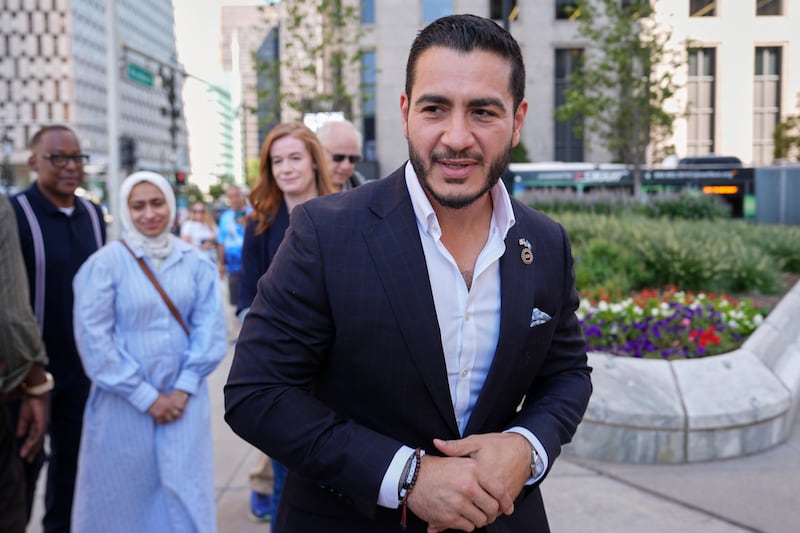

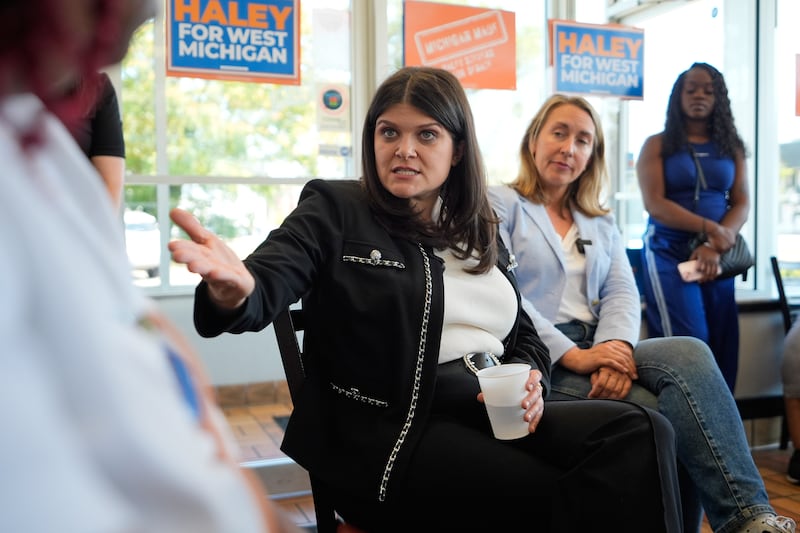
In one of the closest races this year, Abdul El-Sayed declared victory Wednesday morning in Michigan’s Democratic Senate primary, narrowly defeating his opponent Haley Stevens.
The race between Stevens, a more moderate Democrat and current congresswoman, and El-Sayed, a progressive former state public health official, split Democratic voters and was seen as an indication of the future of the Democratic Party.
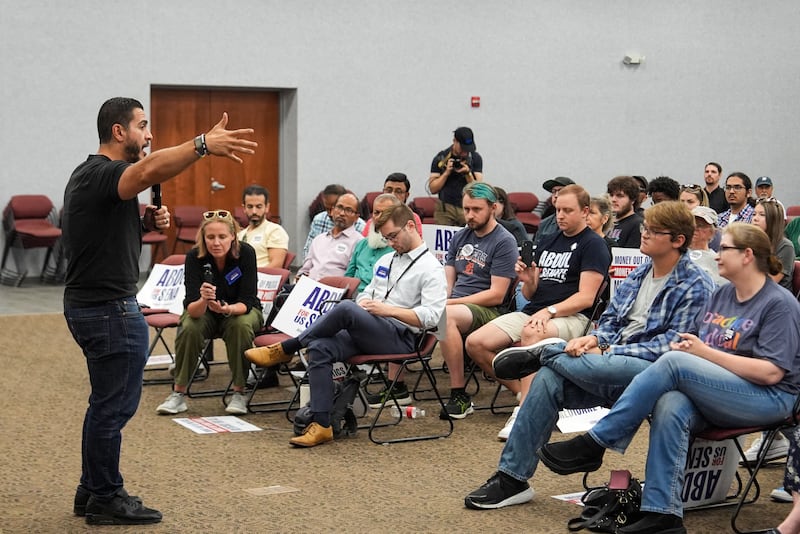
El-Sayed declared victory in a post online on Wednesday morning, noting how he ran on issues like Medicare for all, and putting money back into Michiganders’ pockets and keeping money out of politics. He also supports abolishing Immigration and Customs Enforcement and would like the U.S. to stop selling weapons, including defensive weapons, to Israel.
“We won. I am so proud to be your Democratic nominee for US Senate. Let’s win in November,” he said.
Stevens initially posted early Wednesday that the race is “still too close to call.” But then a few hours later, Stevens said she spoke with El-Sayed to “offer him my full support” for the midterm election in November.
Race a Democratic bellwether?
The outcome of the primary could have an impact on the nationwide battle for control of the Senate and the future of the Democratic Party, particularly as contests in other states show a battle between the progressive and moderate wings of the party.
Former Michigan Rep. Mike Rogers, a Republican, was ahead of El-Sayed in head-to-head polls for November, while Stevens was polling ahead of Rogers.
Rogers narrowly lost in 2024 to then-Rep. Elissa Slotkin in a state that Trump won in 2024.
The Michigan Senate race is for an open seat after Sen. Gary Peters, a Democrat, announced earlier this year that he would not seek reelection, opening up a field for Democrats seeking to replace him and another go for Rogers to head to the upper chamber.
Earlier this year, the Democratic primary race was a competitive three-way split between Stevens, El-Sayed and state Sen. Mallory McMorrow, but McMorrow announced in early July she was ending her campaign, noting that she wouldn’t endorse either of the remaining candidates.
Peters had endorsed Stevens, the four-term representative, in the race.
El-Sayed has the endorsement of several progressive lawmakers, including Rep. Alexandria Ocasio-Cortez, D-N.Y., Sen. Bernie Sanders, I-Vt., and Sen. Chris Van Hollen, D-Md.
Polls released ahead of the primary, according to RealClearPolitics polling averages, had El-Sayed far ahead, but the race proved to be much closer than predicted.
Republicans had hoped that El-Sayed would win the race because they believe they have a better chance at beating him.
President Donald Trump, said Monday that he hopes Rogers wins and neither the “socialist” or “communist” candidates competing in the Democratic primary secure the seat come November.
Both El-Sayed, Stevens face Israel-related backlash
El-Sayed, who was the furthest left-leaning candidate in the race from the start in terms of his policy prescriptions, has received some scrutiny for his progressive stances and aligning himself with controversial figures on the left.
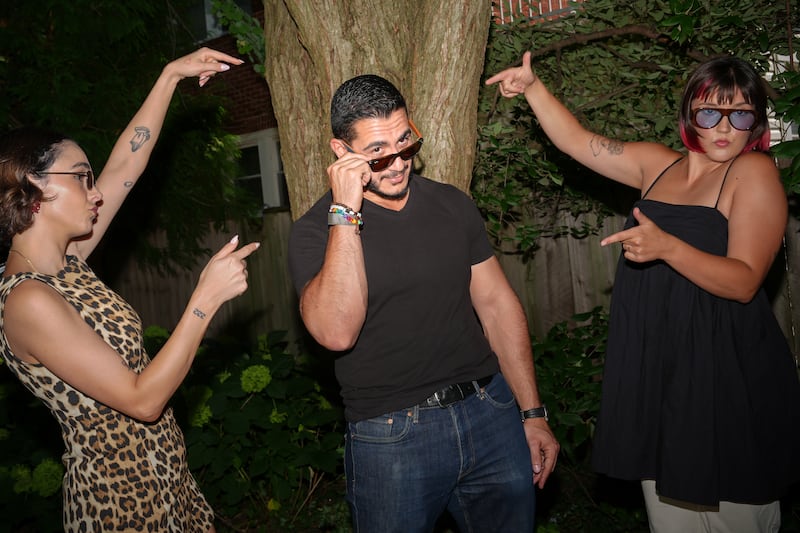
While his campaign saw some new energy, particularly among younger Democrats and progressives, he was criticized this year for touring college campuses with Hasan Piker, a controversial left-wing influencer. Piker has made striking statements about Hamas’ Oct. 7 attack and Israel’s war in Gaza, and for saying that “America deserved 9/11″ in 2019.
El-Sayed was criticized by Democrats, including Stevens, for campaigning with Piker, but would not denounce the streamer’s statements.
Piker was at El-Sayed’s election night party, where he expressed confidence in El-Sayed’s chances.
El-Sayed and Stevens frequently clashed over their stances on Israel, proving to be one of the defining issues for Democratic voters this year. Michigan has the country’s highest concentration of Arab Americans.
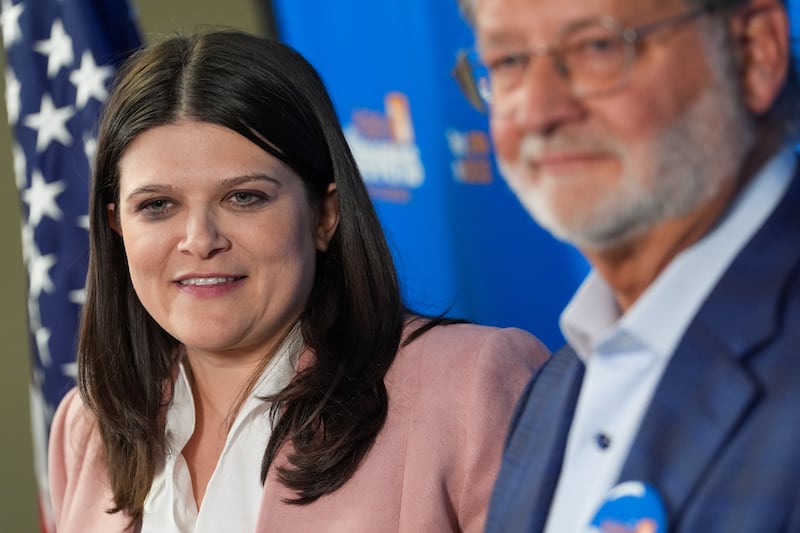
El-Sayed highlighted the multimillion-dollar advertisement campaign that the American Israel Public Affairs Committee put toward supporting Stevens.
AIPAC, funded by American supporters of Israel, spent about $30 million to back Stevens, who told The Associated Press that anyone supporting her is choosing to do so because of her dedication to the people of Michigan.
El-Sayed spent millions of his own money on the race, and his father-in-law contributed millions to a super PAC backing him, according to Open Secrets.