



A bipartisan bill to prevent taxpayers from covering the costs of massive data centers was blocked in the Senate on Thursday, stripping Republicans and Democrats of a legislative victory that would have been used as campaign messaging heading into the midterms.
The proposal overwhelmingly passed the House in a near-unanimous vote earlier this week, marking a rare moment of bipartisanship at a time where both parties are seeking control of Congress. However, the bill was blocked after Republicans pushed to fast-track its passage in the Senate.
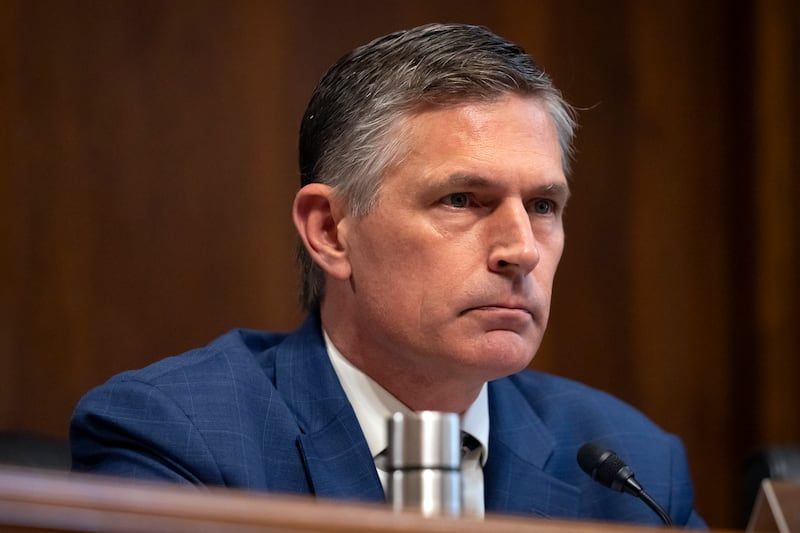
Sen. Jon Husted, R-Ohio, sought unanimous consent to approve the bill on Thursday in an effort to quiet attacks in his competitive reelection fight over the cost of data centers. But that effort was thwarted by Sen. Martin Heinrich, D-N.M., who argued the proposal does not go far enough to protect taxpayers.
“The Ratepayer Protection Act does not do enough to address the rising costs of AI data center development,” Heinrich told the Deseret News in a statement. “It suggests, but does not require, that AI data centers should pay the full cost of the upgrades for the energy they consume or the strain they place on the grid. If voluntary pledges and suggestions worked, American families and businesses wouldn’t be shouldering those costs right now.”
The Ratepayer Protection Act would target large data centers by requiring state utility regulators to consider adopting standards to hold those centers responsible for expensive updates that are necessary to provide its services to customers. The requirements would specifically target data centers that use at least 100 megawatts of electricity at one site or campus.
But the bill does little more than forcing states to consider those requirements — something Heinrich said was not strong enough. Instead, Heinrich sought unanimous consent for his own data center bill, which would require the Federal Energy Regulatory Commission to issue rules for centers using 150 megawatts or more to pay for certain grid upgrades.
That bill, Heinrich argued, would provide “real teeth that makes AI data centers pay their fair share and actually protects families and communities.”
Sen. Bernie Moreno, R-Ohio, blocked Heinrich’s bill from being adopted through the fast-track procedure. The Ohio Republican accused Heinrich of blocking Husted’s bill to hurt his reelection chances in November when he faces former Democratic Sen. Sherrod Brown in a race that could determine the balance of power in the Senate.
Senate Republican leaders could still schedule a formal vote on the legislation before the election-season recess, but it’s not yet clear if they will do so. It’s likely the bill will be punted until after the midterm elections.