

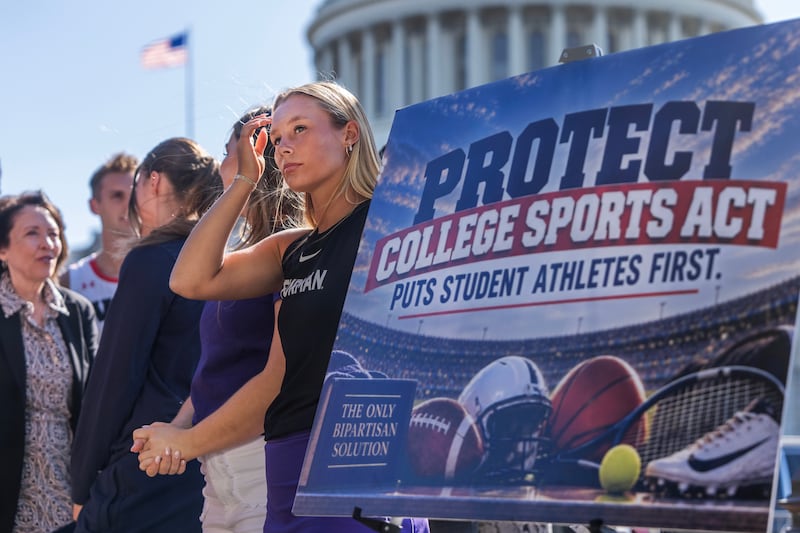

The Senate is inching closer to passage of the highly anticipated college sports bill, a comprehensive legislative framework seeking to solve a number of controversial issues cropping up in collegiate athletics.
The Senate overwhelmingly voted to advance the Protect College Sports Act on Thursday in a 77-22 bipartisan vote, teeing the package up for final passage as early as next week.
However, the timeline for enactment is still unclear as it needs approval from the House, which is not scheduled to return to Washington until after the midterm elections.
“More than three quarters of the Senate just voted to protect student-athletes, to protect college sports, to bring an end to the chaos and ensure that college sports remains the incredible institution it is today,” Texas Sen. Ted Cruz, the Republican sponsor of the bill, said in a video posted to social media earlier this week. “There is a broad coalition that has worked so hard to bring us to this point.”
Cruz hinted it could take another week for the Senate to complete its procedural process to finalize the bill, after which it will be transferred to the House for consideration.
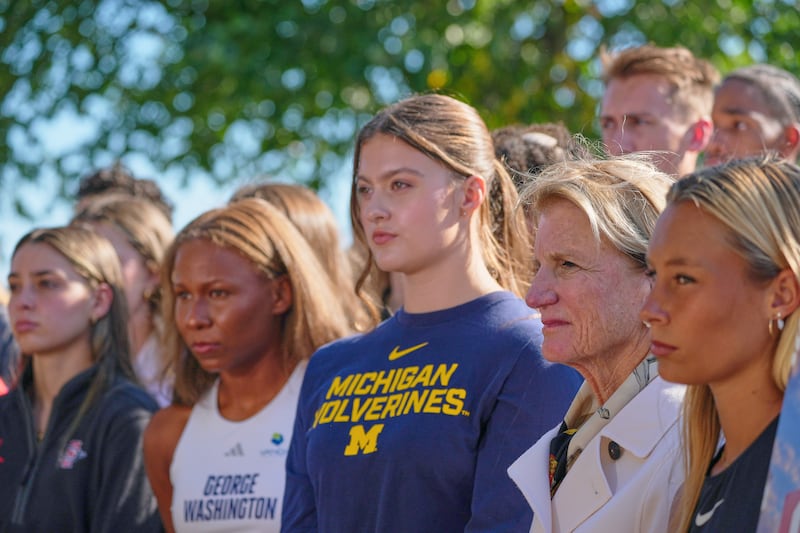
The Protect College Sports Act is a sweeping proposal to regulate college athletics by creating a national framework dealing with NIL deals, athlete compensation, media rights, revenue sharing, and more. The bipartisan group of lawmakers behind the legislation have argued federal guidelines are crucial to solve confusion among 50 states operating under different rules.
As part of that framework, the legislation offers requirements for student-athletes to be considered eligible to participate in NCAA Division I or Division II athletic competitions. The legislation then blocks states from enforcing laws that interfere with those guidelines.
The framework also takes aim at streamlining the transfer process of student-athletes to different schools as well as how those students can be compensated. The bill would establish a five-year eligibility limit that is tied to either enrollment or age and it would limit the number of transfers athletes can make.
Despite the massive bipartisan margin on Thursday, there remain opponents of the bill on both sides of the aisle.
All four Black Democrats in the Senate — Cory Booker of New Jersey, Raphael Warnock of Georgia, Lisa Blunt Rochester of Delaware and Angela Alsobrooks of Maryland — all voted against advancing the bill, which has been opposed by the NAACP. The NAACP came out against the bill earlier this year, arguing it strips student-athletes of their bargaining rights and would disproportionately affect Black athletes.
“It really jeopardizes college athletes’ health and safety. It gives broad-based antitrust exemption to the NCAA and gets very little back from it,” Booker told reporters on Tuesday. “It is a bill that really, unfortunately, as one of the handful of college football players in this place, it does not cure what are some of the biggest things that are really threatening college players.”
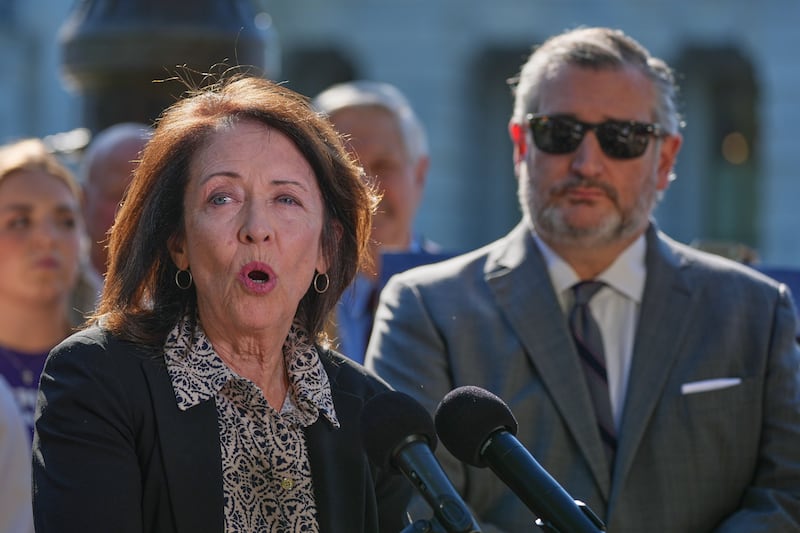
Still, Washington Sen. Maria Cantwell, the Democratic sponsor of the College Sports Act, argued the bill supports historically Black colleges and universities, or HBCUs, and Black athletes.
“I will not let the perfect be the enemy of the essential,” Cantwell said in a floor speech on Tuesday before an initial procedural vote. “This is the last best chance to save college sports and put HBCUs at the table where the future gets decided.”
A final vote on passage for the Protect College Sports Act has not yet been scheduled in the Senate. The House, which has repeatedly tried and failed to pass its own college sports framework, is not likely to consider the legislation until it returns in November.