

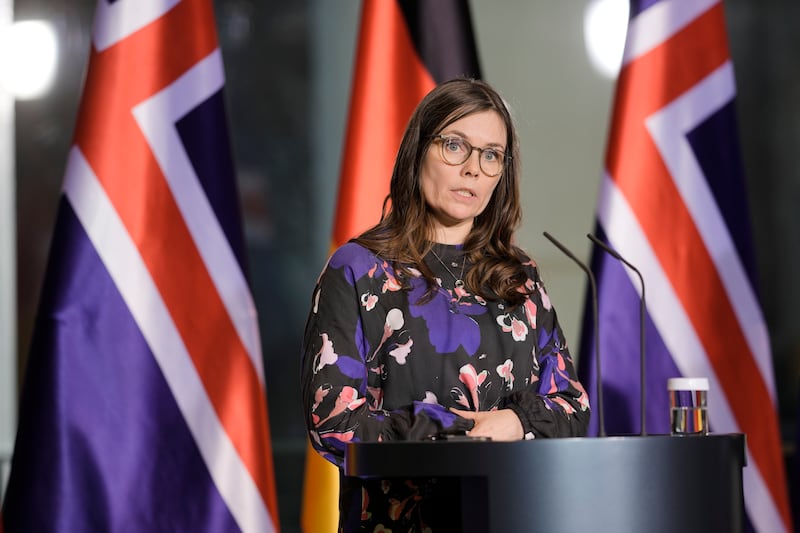

A massive group of Icelandic women went on a one-day strike Tuesday in a call to protest workplace inequality.
Tens of thousands of women joined the strike, including the country’s Prime Minister Katrín Jakobsdóttir. The organizers said the strike was “the country’s largest effort to protest workplace inequality in nearly five decades,” The New York Times reported.
Why did the women of Iceland go on strike?
The protest is meant to call for gender wage and pay parity, as well as provide insight into the violence women continue to experience. Around 90% of Iceland’s women belong to a union, The Associated Press reported.
“Iceland is often viewed as some sort of equality paradise,” Freyja Steingrímsdóttir, the organizer for the strike, told the Times. “If we’re going to live up to that name, we need to move forward and really be the best we can be — and we’re not stopping until full gender equality is reached.”
The Scandinavian country has been ranked the best nation for gender equality by the World Economic Forum 14 years running, per CNN, but leaders of the strike are saying they can still do better.
What happened during the women’s strike in Iceland?
Throughout the island nation, schools closed, public transportation got delayed and hospitals were understaffed — the country’s services that are largely run by women were essentially put on pause for the strike, according to AP.
“I will not work this day, as I expect all the women (in cabinet) will do as well,” Jakobsdóttir said prior to the protest, per BBC.
She also said it was a time for the government to reflect on the way “female-dominated professions are valued, in comparison to fields traditionally dominated by men,” BBC reported.