

- Recent torrential rains caused record-breaking floods in the South and Eastern U.S., causing nearly 20 deaths.
- Floods resulted in considerable infrastructure damage, challenging rescue efforts.
- With more rain forecast and grounds already saturated, further flooding continues to be a severe risk.
The recent flooding in the South and Eastern U.S. left nearly 20 people dead in what were record-breaking amounts of torrential rain over the past week.
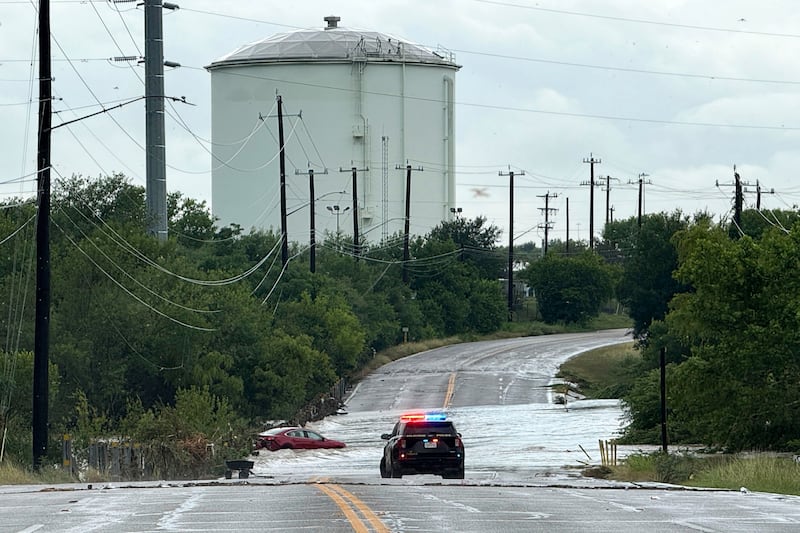
Last week, the San Antonio area saw unprecedented flooding caused by a record 6.11 inches with about 4 inches falling in a single hour, per NPR.
In the span of a few hours, it rained almost double the typical amount of rainfall in San Antonio throughout the whole month of June, according to news accounts.
The rain caused the San Antonio River to rise 10 feet in about 45 minutes, per AccuWeather, and floodwaters carried about dozen cars into a nearby creek.
Despite the San Antonio Fire Department’s response with more than 70 water rescues, the death toll of this incident rose to 13 victims.
A flash flooding of this magnitude had not occurred in a while. According to local ABC-affiliated news station, this is the highest daily rainfall since May 25, 2013, and the 10th rainiest day of all time.
West Virginia’s flash flood causes weekend chaos
In an equally devastating flash flood, northern West Virginia saw 2.5-4 inches of rainfall for about a half-hour on Saturday night.

The flash flooding in Wheeling and Ohio counties left six people dead, including a 6-year-old, with three more still missing as of Monday.
Lou Vargo, Ohio county’s emergency management director, said he hadn’t seen anything like this in his 35 years of service, per CBS.
Some of the people rescued had taken refuge in trees, with many found as far as one mile from where they had entered the water, per reports.
Rescue efforts included drones and search dogs as the crew searched thoroughly through the riverbanks, and submerged vehicles along the trail.
In addition to the loss of human lives, the flash floods caused infrastructure damage to buildings, roads, bridges and highways, which made the rescue labor more difficult, officials tell news agencies.
In West Virginia, an apartment building had partially collapsed. No casualties were reported from this incident as residents were evacuated from the lower floors before the walls collapsed.
Vehicles getting swept into swollen creeks was one of the leading causes of deaths in the flooding. According to The Weather Channel, more than half of all flood-related death drownings occurred from driving into inconspicuously deep waters.
The National Weather Service continues to advise people to turn around when encountering a flooded road to avoid hazardous situations that could lead to death.
More rain in the forecast
The weather forecast for West Virginia shows more rain on the way, AccuWeather reported, which could cause more flooding problems.
With the ground already saturated, one more inch of rain for an hour could generate flooding across much of the state.
According to the National Weather Service, Virginia, North Carolina and several states in the central and southern Plains could also see “strong to severe thunderstorms.”
Early this month, the NWS issued a flood watch for desert areas in southern California, southern Nevada and northwestern Arizona, effective Wednesday, as heavy rain puts the region at risk for flooding.
While flooding can happen any time of year, about 75% of flash flood reports between 2007 and 2017 happened from late April through mid-September, according to NOAA’s Weather Prediction Center.