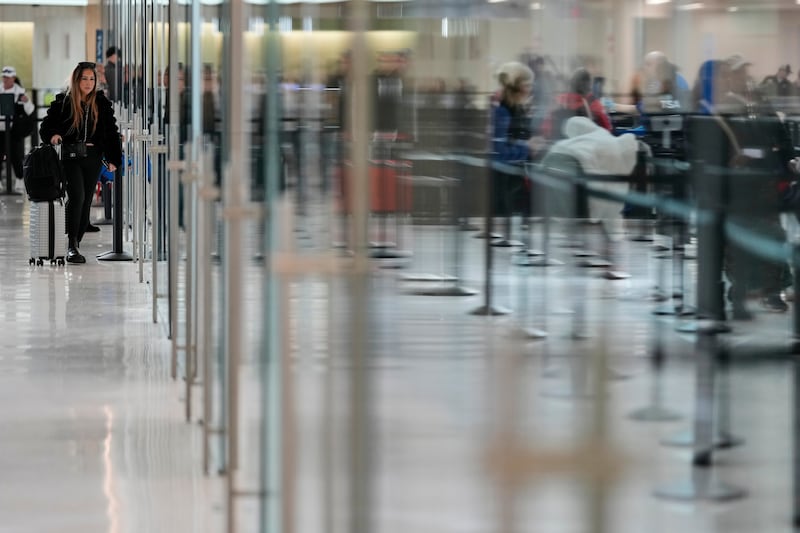

A storm with historic potential is gearing up to impact more than 2,000 miles of the United States, threatening to deliver harsh winter conditions to more than 235 million Americans across 40 states. The storm, which The Weather Channel has named Fern, is forecast to hit Friday and last through Monday in certain parts of the country.
“This is expected to be an unusually large and severe winter storm,” the National Oceanic and Atmospheric Administration said in a statement. “Dangerously cold air remains in the forecast for more than half of the U.S. population through the weekend and into early next week.”
States stretching from Arizona to Maine are on watch as the slow-moving system is currently forecast to dump a mix of freezing rain and snow.

While forecast models have fluctuated, the storm is expected to move eastward, National Weather Service meteorologists Rich Otto and Tony Fracasso told CBS News.
Impacted regions are already feeling the chill. Minneapolis residents woke up Friday to a wind chill of minus 37 degrees Fahrenheit, according to the National Weather Service, with chills dropping as low as minus 45 degrees in the early morning.
Several states like Georgia, Oklahoma, Texas and South Carolina have declared a state of emergency, according to AccuWeather.
Experts are urging residents in the storm’s path to stay off of the roads as icy conditions are expected. They are also encouraging individuals to prepare their homes and families for the extreme weather conditions as power outages are expected to hit.

The system’s impact on Utah
Current forecasts show the storm missing Utah, though a winter weather advisory is in place for the area.
Other systems are expected to hit Utah soon, but they aren’t expected to add significant snowpack, according to Glen Merrill, a hydrologist for the National Weather Service.
Here’s how the storm will affect travel
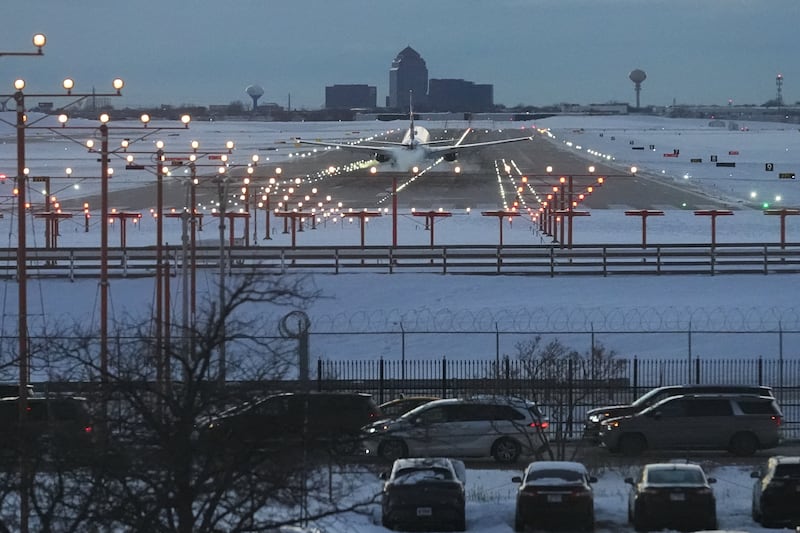
Travel is likely to be impacted across the affected areas, creating a ripple effect for travelers nationwide. While Utah is not in the direct path of the storm, air travel in the state could be affected by cancellations and delays at major hubs in other regions.
Several airports in the South do not have deicing equipment for aircraft and runways to operate safely, which could lead to significant cancellations and weekend delays, according to CBS News.
Airports currently expected to experience disruptions include:
- Dallas Fort Worth International Airport in Texas
- Will Rogers World Airport in Oklahoma City, Oklahoma
- Clinton National Airport in Little Rock, Arkansas
- Memphis International Airport in Tennessee
- Nashville International Airport in Tennessee
- Hartsfield-Jackson Atlanta International Airport in Georgia
Major airlines have already canceled flights in impacted areas and are expecting more cancellations to follow.
On Thursday, Delta Air Lines canceled flights in North Texas, Oklahoma, Arkansas, Louisiana and Tennessee. The airline company also issued waivers for customers planning to travel to, from or through affected cities, allowing rebooking with no fees.
Southwest Airlines and United Airlines are offering similar rebooking options as flight schedules continue to be affected.