


- National parks are removing signs and displays under orders from Trump administration.
- The directive targets historical references on climate change, racism, and other topics.
- Key sites including Grand Canyon and Glacier National Park are removing certain materials.
Dozens of signs and displays are being removed from a number of national parks as part of a renewed effort to implement President Donald Trump’s executive order on “restoring truth and sanity to American history.”
The Washington Post reported that park staff are working to follow Trump’s directive, which looks to clear federal institutions of what it calls “partisan ideology” as well as remove all content that is deemed to “disparage Americans past or living.” This has been interpreted to include references to climate change, LGBTQ rights, and historical racism and sexism.
These removal orders are impacting parks across Western states, including Utah.
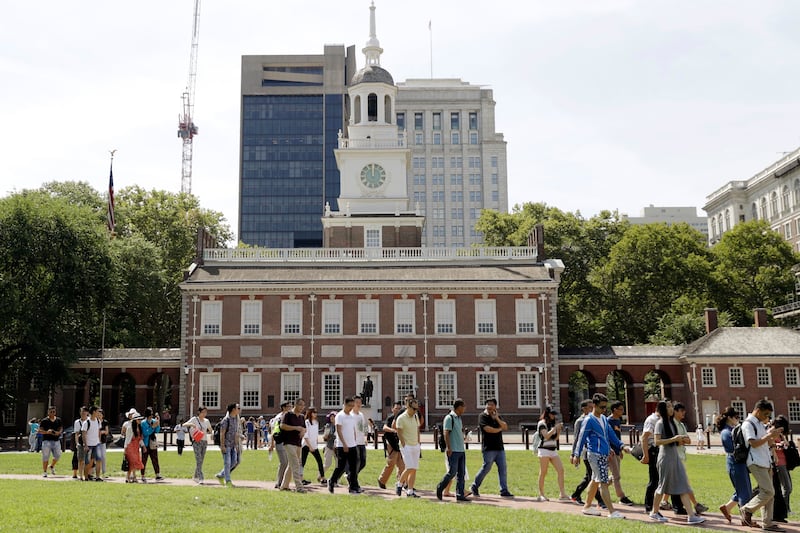
According to The Washington Post, the Trump administration removed an exhibit last week at Independence National Historical Park in Pennsylvania that focused on how George Washington owned enslaved people.
A new series of orders went out this month with instructions for staff to remove or edit signs and other informational materials in at least 17 additional parks in Colorado, Arizona, Utah, Texas, Wyoming and Montana. There were also other removals ordered in August and September of last year.
The Interior Department released a statement about these removals and its implementation of Trump’s executive order.
“All federal agencies are to review interpretive materials to ensure accuracy, honesty, and alignment with shared national values,” the statement said, according to The Washington Post. “Following completion of the required review, the National Park Service is now taking appropriate action in accordance with the Order.”
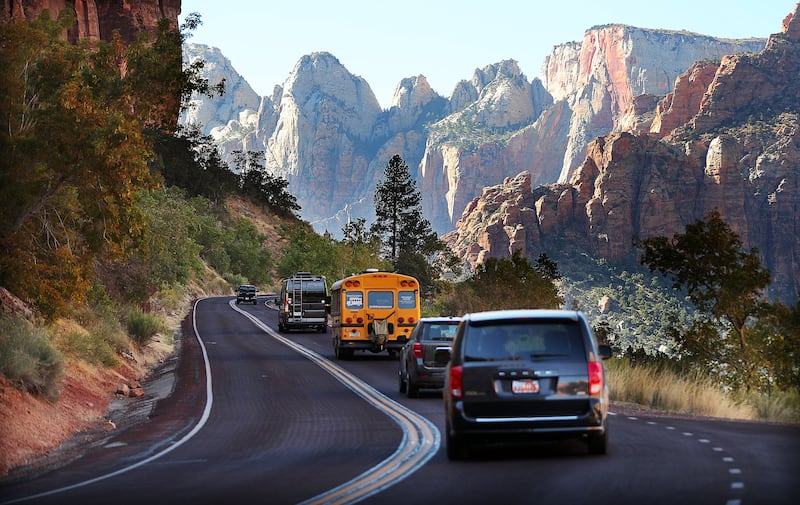
Some of the country’s most iconic parks have received removal orders, including Grand Canyon, Glacier, Big Bend and Zion.
Items being removed include descriptions of climate change’s effect on the glaciers at Glacier National Park and a display at the Grand Canyon about the forced removal of Native Americans.
Kristen Brengel, senior vice president of government affairs for the National Parks Conservation Association, said that this removal effort “should offend every American.” She also emphasized that Park Service staff are doing this only under orders from the Trump administration.
“Everyone understands this history,” she said, according to The Washington Post. “It’s not debatable, but they’re being forced to select stories because they think the administration will threaten their jobs if they don’t.”
In September, the Interior Department said that all “interpretive signage” in national parks would be reviewed, per Reuters.
Reuters reported that civil rights groups claim the Trump administration is undoing years of social progress and eroding acknowledgment of critical events in U.S. history.
A look at the specific changes being made at national parks
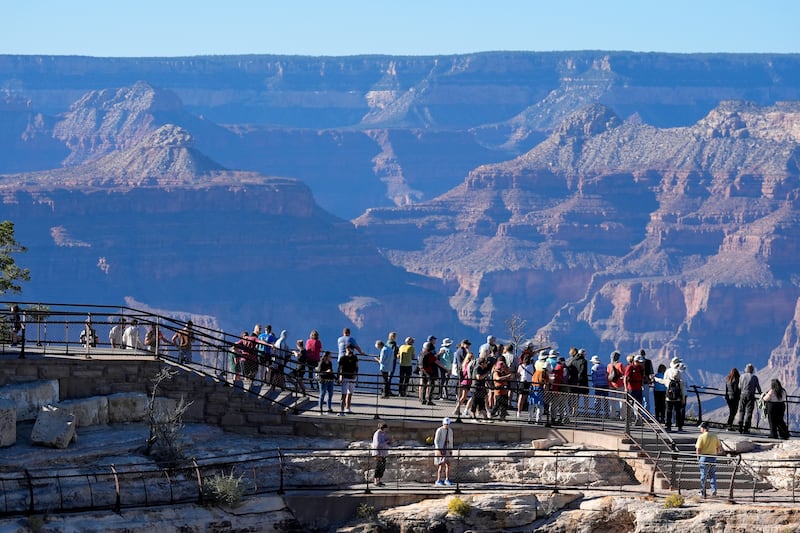
At Grand Canyon National Park, signs have been removed that include passages saying that settlers “exploited land for mining and grazing” and that Native American tribes were pushed “off their land” for the park to be established, as reported by The Washington Post.
Other items such as a video about Native American history are also under review. Other signs in the park that reference climate change, pollution and mining have also been flagged for possible removal.
After visitors had frequently asked about the potential disappearance of Glacier National Park’s famous glaciers, staff made signs and other resources to answer those questions, per The Washington Post. One brochure that shows the glaciers retreating with human-caused climate change listed as a factor has been ordered to be removed. A video about the disappearance of the glaciers will also be removed or changed.
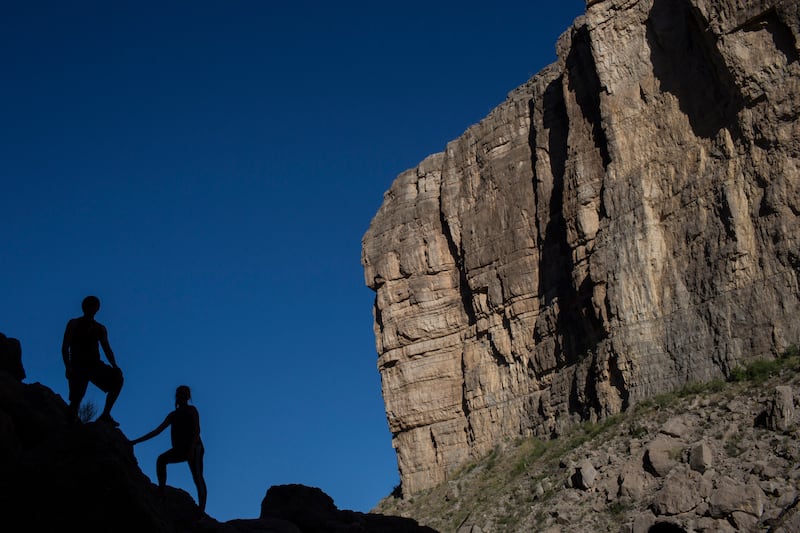
Big Bend National Park in Texas will remove almost 20 signs that deal with geology, prehistoric history, fossils and other seemingly uncontroversial topics. The removal orders do not explain why the signs need to be changed.
Some of the displays are in both English and Spanish and others discuss cooperating with Mexico on preservation efforts.
“This is not something that the National Park Service should be blamed for,” said Bob Krumenaker, who served as Big Bend superintendent until 2023, per The Washington Post. “They are being told they have to do these things. And my hope is they’re saving these exhibits for when things change so they can put them back up.”
The Washington Post reported that it’s not just major national parks that have been asked to remove things. Bent’s Old Fort National Historic Site in Colorado has been ordered to remove a sign describing important figures in the site’s history, including references to the removal of a Native tribe and a family’s slave ownership.
In Arizona, Hubbell Trading Post National Historic Site will be removing a panel on a Navajo leader, Ganado Mucho, who often settled disputes with ranchers.