

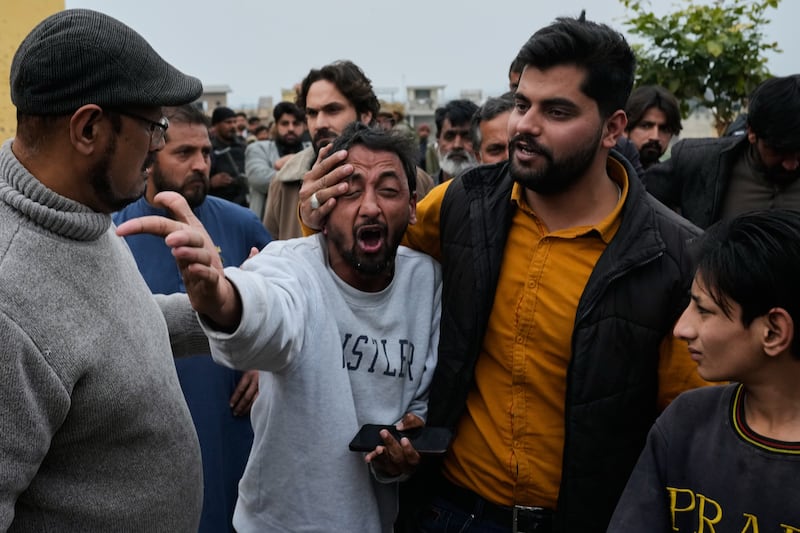

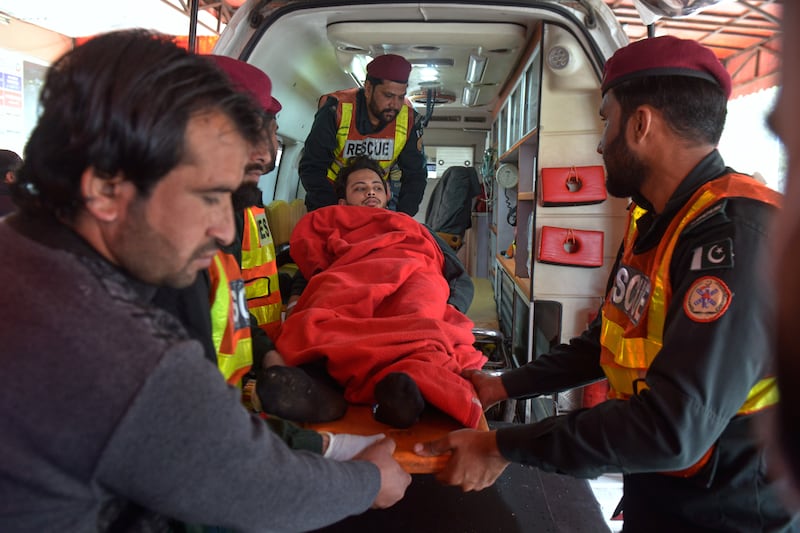
A suicide bomber detonated explosives outside a Shiite mosque on the outskirts of Islamabad on Friday, killing 31 people and injuring at least 169 others, as reported by AP News.
The attack occurred at a mosque in Tarlai Kalan, a densely populated area on the city’s southeastern edge. According to officials, the attacker was stopped at the mosque entrance, where he detonated the device.
The bombing is now the second major militant attack in the Pakistani capital in recent months. In November, a bomber killed at least 12 people and wounded dozens near a courthouse, according to The New York Times.
Hussain Shah was praying in the mosque’s courtyard when he heard the explosion.
“I immediately thought that some big attack has happened,” he said, according to The Associated Press.
While extremist groups have targeted Shiite Muslims in Pakistan for decades, particularly in areas bordering Afghanistan, large-scale attacks in the capital are relatively rare. No group immediately claimed responsibility for Friday’s bombing, though the Islamic State group has frequently targeted Shiite Muslims in the past, according to The New York Times.
What country leaders are saying
Prime Minister Shehbaz Sharif and President Asif Ali Zardari both condemned the attack in separate statements.
Sharif expressed sorrow over the loss of life and directed the interior ministry to conduct a full investigation, according to the New York Times.
“Those who are responsible must be identified and punished,” Sharif said.
Zardari called the bombing a “crime against humanity,” adding, “the nation stands with the affected families in this difficult time.”
Raja Nasir, a prominent Shiite leader, expressed sorrow over the attack at the Khadija Al-Kubra mosque. He called the security breach a “serious failure” by law enforcement and issued a plea for blood donations to assist the wounded at local hospitals in Islamabad.
Afghanistan’s Foreign Ministry also condemned the attack in a post on social media, according to The Associated Press.
When was the last deadly attack in the capital?
The last deadliest attack in Islamabad was in 2008, when a suicide bomber targeted the Marriott Hotel, killing 63 people and wounding over 250 others, according to The Associated Press.
While attacks in the capital city have remained relatively quiet for nearly two decades, violence has surged across Pakistan in recent months, specifically in the Balochistan and Khyber Pakhtunkhwa provinces, which both border Afghanistan.
The Pakistani Taliban has launched its own set of deadly attacks on police stations and security convoys from bases in Afghanistan, according to The New York Times.