


The Federal Reserve is leaving interest rates unchanged for now, as many officials continued to promise at least one quarter-point reduction before the end of the year.
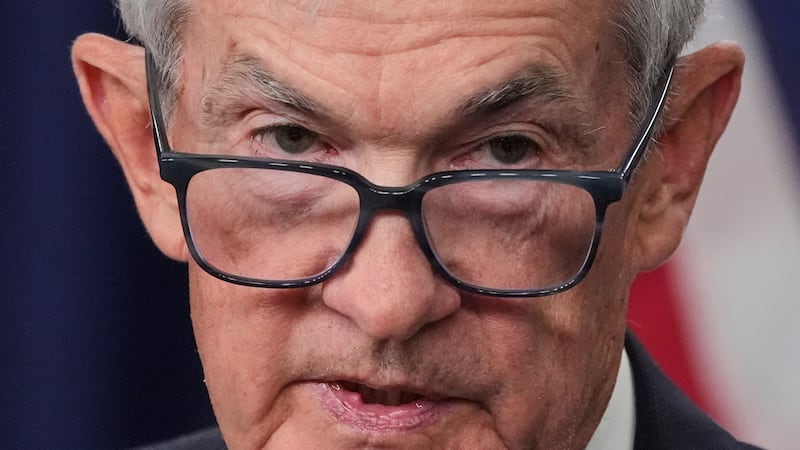
Fed chairman Jerome Powell said Wednesday that the decision was made to prioritize 2% inflation goals and maximum employment.
He then cited the emerging war in the Middle East and what it could mean for the U.S. economy.
“In the near term, higher prices will push up overall inflation, but it is too soon to know the scope and duration of the potential effects on the economy,” Powell said.
The benchmark federal funds rate will remain at its current 3.5% to 3.75% range.
Powell gives overview of the economy’s health
Job gains have remained low, unemployment has stayed relatively unchanged and inflation remains slightly elevated, he said. Housing sector activity has also remained weak.
Simultaneously, real GDP is expected to exceed its December projection and hit 2.4% in 2026.
The Fed aims for the U.S. inflation rate to sit at 2%, and in February it held steady at 2.4%, which was the lowest it had been since May 2025. “These elevated readings largely reflect inflation in the goods sector, which has been boosted by the effects of tariffs,” Powell said.
He added, “We at the Fed will continue to do our job with objectivity, integrity and a deep commitment to serve the American people.”
When is Powell’s term up and who will take his place?
Powell’s second term as Fed chairman will come to an end on May 15, and President Donald Trump has formally nominated Kevin Warsh to take his place.
Warsh is a former top Federal Reserve official, with prior work experience on Wall Street.
Tensions between the president and Powell began in 2018, when the Fed rose interest rates four times. Since then, Trump has asked Powell to cut interest rates, and in January, the Justice Department subpoenaed the Fed.
The probe allegedly focused on Powell’s 2025 testimony to Congress about the renovation of the Fed’s headquarters.
Several Republican senators, including Thom Tillis, R-N.C., and Lisa Murkowski, R-Alaska, have been opposed to the probe, delaying Warsh’s nomination.