

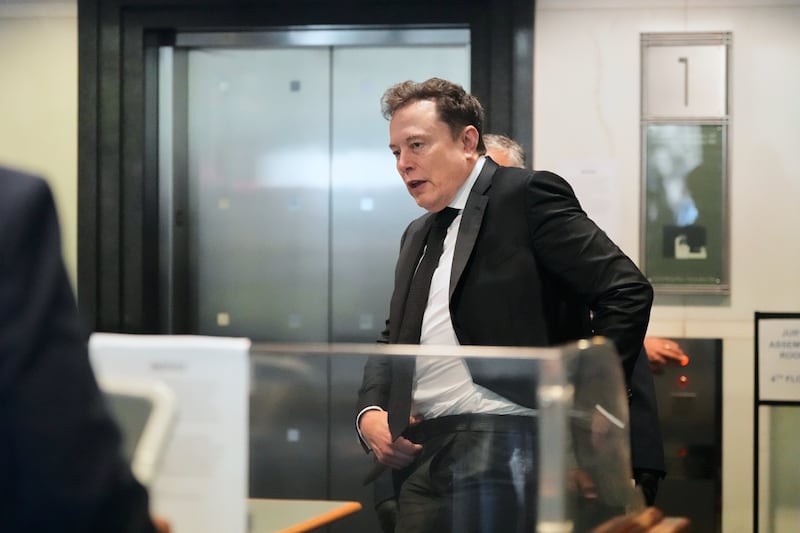

- A California jury unanimously rejected Elon Musk’s lawsuit against OpenAI, ruling the claims were filed after the legal deadline had expired.
- Musk sought $150 billion in damages, arguing that OpenAI and its leaders abandoned the company’s nonprofit mission by prioritizing commercial profits.
- After the verdict, Musk announced plans to appeal, while Sam Altman defended OpenAI’s actions and said the company remained focused on building safe AI for humanity.
A nine-person jury in Oakland, California, on Monday unanimously rejected Elon Musk’s claims against OpenAI. The court found that the federal lawsuit was brought after the statutes of limitations had expired, according to media reports.
Musk, who co-founded OpenAI in 2015, sought $150 billion in damages from OpenAI, its current CEO Sam Altman, its President Greg Brockman and Microsoft.
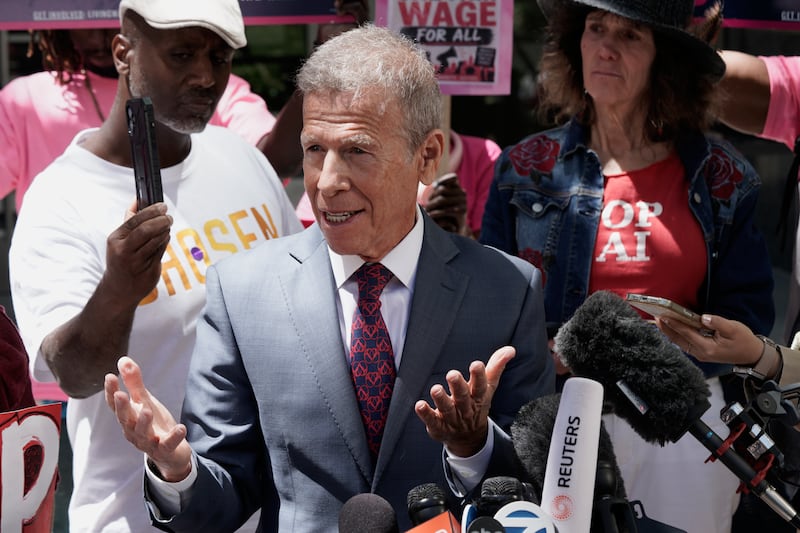
He alleged that the group breached the company’s founding contract by putting commercial interests ahead of the public good.
In an X post Monday following the announcement, Musk said the judge and the jury never ruled on the merits of the case. Musk said he will file an appeal with the 9h Circuit Court of Appeals, “because creating a precedent to loot charities is incredibly destructive to charitable giving in America,” he wrote.
OpenAI, now valued at $852 billion, was founded as a nonprofit to be a human-friendly, open-source counter to Google’s emerging AI dominance.
Musk donated $38 million of his own money to help the project get off the ground from 2015-2017.
Testifying in court, Musk said OpenAI “can’t have it both ways.”
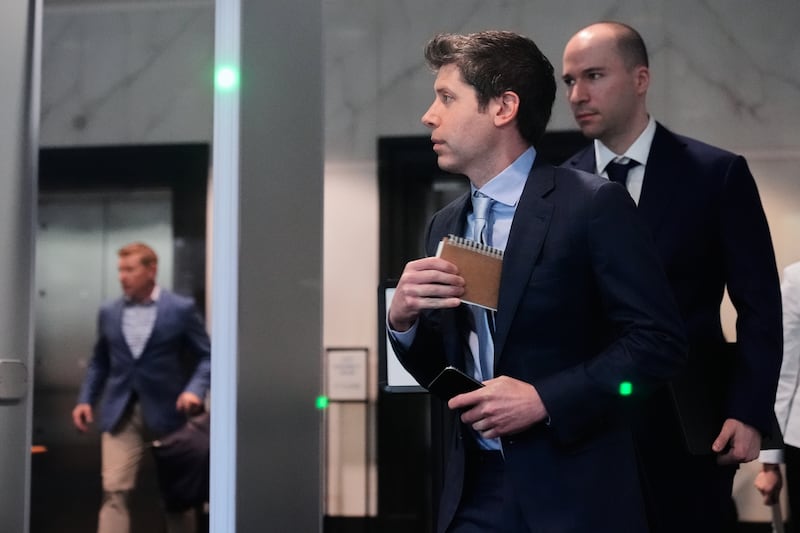
“They can’t have a nonprofit and free funding and the positive halo effect of being a nonprofit charity and also enrich themselves greatly,” he said. “No one should be allowed to steal a charity. To steal a charity is absolutely wrong.”
Evidence presented during the trial showed Musk’s concerns about OpenAI’s status as a nonprofit stretching back nearly a decade.
In one email from 2017 to Altman, Brockman and fellow co-founder Ilya Sutskever, Musk wrote, “Guys, I’ve had enough. This is the final straw. Either go do something on your own or continue with OpenAI as a nonprofit. I will no longer fund OpenAI until you have made a firm commitment to stay or I’m just being a fool who is essentially providing free funding for you to create a startup. Discussions are over.”
During his own testimony, Altman defended himself against accusations that he’d consistently lied to, undermined and pitted his executives against each other.
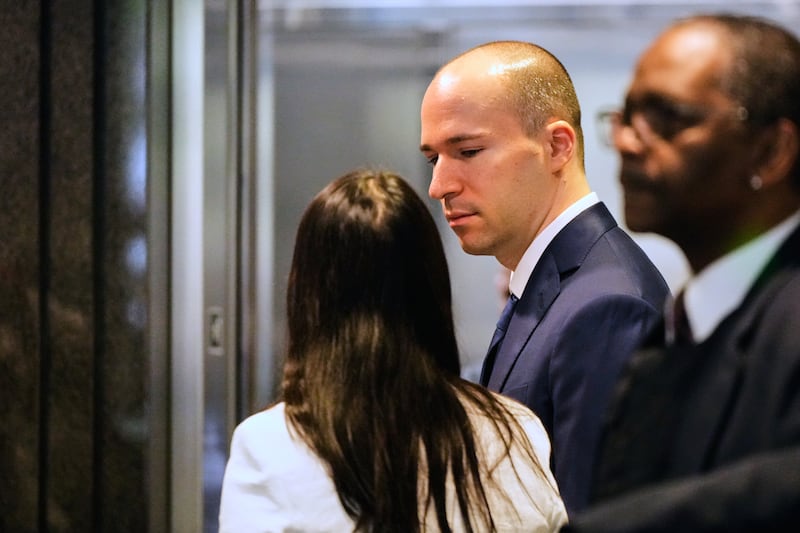
“Clearly there was misunderstandings and a breakdown of trust. I was not trying to deceive the board. I was not trying to make it so the board couldn’t do their job, and I was certainly never trying to do anything other than make sure that we built safe AI and distributed the benefits to humanity. I feel badly for the misunderstandings,” Altman said.