



- Four Western states are launching the Mountain West Geothermal Consortium to expand geothermal energy development.
- Geothermal energy uses heat beneath the Earth’s surface to generate reliable, carbon-free electricity. Interest in the technology has surged in the last 18 months.
- The consortium will help states overcome permitting, financing and infrastructure barriers.
Utah and its Rocky Mountain neighbors of Colorado, Arizona and New Mexico are creating the Mountain West Geothermal Consortium to streamline the development of geothermal energy, the states announced on Wednesday.
Currently, the four states produce around 100 megawatts of geothermal electricity combined. The interstate initiative hopes to scale that number significantly. The Department of Energy predicts that the U.S. holds 300 gigawatts of potential energy, with 75% located in the West.
Geothermal, though not technically new in concept, has seen a remarkable uptick in interest in the last year and a half. The energy comes from harnessing heat deep beneath the Earth’s surface. The heat creates steam, the steam powers a turbine, and the turbine spins a generator to create energy.
The process does not generate carbon emissions.
The Center for Public Enterprise and Constructive, two nonprofits based in Washington, D.C., focused on economic development and energy abundance, helped unite the states for the initiative.
“We’re providing the states with all the insights they need to be able to build, for example, a geothermal financing program or for geothermal developers to be able to interact with utility commissions when they need to make new rules around procuring geothermal power. There are technical things that we are providing help on,” Michael O’Connor, the director of the Mountain West Geothermal Consortium, told the Deseret News.
The American geothermal market is largely untapped, O’Connor explained, adding that it could potentially bring “hundreds of billions of dollars of investment to the Mountain West.”
But to catalyze that growth, states need to work their way through technical, financial, political and logistical barriers. The interstate initiative hopes to help.
Why the West? Why Utah?
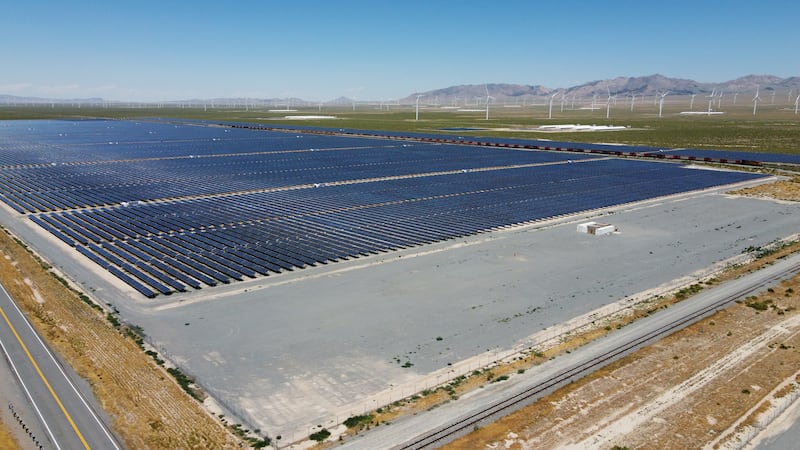
The West is uniquely positioned to lead the nation in geothermal energy, O’Connor said.
In the West, “you don’t have to drill as far or as deep to get high quality heat necessary to run a power plant,” he explained. There are also large swaths of public, state and federal land, which are well suited for it.
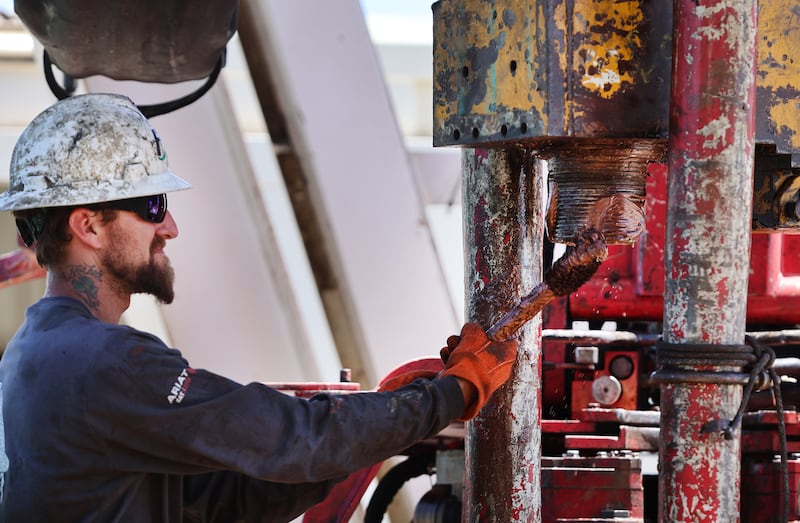
“The resource and the market make this a good place to work,” O’Connor said. He referenced the long-standing oil, gas and mining expertise that has existed in the West. Those skills are “largely transferable,” he said.
Carl Hoiland, the co-founder and CEO of the geothermal energy developer Zanskar, described Utah as “the heart of the geothermal renaissance,” during a conversation with the Deseret News.
“As you know, Utah is a young, growing and changing environment. So I think we like that there’s a young energy and a willingness to try new things and to try to challenge old assumptions or old partitions,” he said.
The Mountain West Geothermal Consortium fits directly with Utah Gov. Spencer Cox’s 2024 promise to lead the state in pursuing clean and reliable energy through his initiative, Operation Gigawatt.
“Geothermal energy is a crucial part of our state’s future energy mix, which is why Utah is proud to be a founding member of the Mountain West Geothermal Consortium,” Cox said in a statement regarding the initiative.
In a conversation with the Deseret News, O’Connor said Cox and his office are “as knowledgable about this industry as anybody in politics ... I think he understands the value of the coalition that his regional partners and both sides of the aisle bring to geothermal power.”
Colorado and Arizona’s governors expressed similar optimism about the collaboration in respective statements.
Gov. Jared Polis said Colorado is “proud to partner on a bipartisan basis with states across the region for cheaper, cleaner energy.” Arizona Gov. Katie Hobbs added that she is “excited to partner with our Mountain West neighbors to scale next-generation geothermal through research and industry collaboration.”
New Mexico Gov. Michelle Lujan Grisham added in a statement, “Geothermal is the next chapter” of her state’s energy portfolio. “New Mexico has enormous geothermal potential, and we’re planning for a future where we harness that potential into clean energy.”
What will the Mountain West Geothermal Consortium do?
The geothermal consortium will help states move through permitting, financing and data collection.
Many local utility companies across the West are unaware of what what new resources are coming online and when they’ll be available, O’Connor explained. “So we’re helping developers talk to utilities about that kind of work.”
“We are also making sure that state energy officials that are building these programs understand what kind of new innovations have been brought to the market and therefore where they can be more helpful versus less helpful,” he said.
The Center for Public Enterprise will help states work with private sector investors to get new geothermal programs online.
O’Connor added in his conversation with the Deseret News that the Mountain West Geothermal Consortium was established because the states expressed interest in developing geothermal energy. “The only reason we’re doing it is because there are a lot of states that want to it (develop geothermal),” he said.
Geothermal energy is a political unicorn
Despite the participating states’ political differences, each supports expanding the geothermal energy industry.
In March, Sen. John Hickenlooper, D-Colo., and Sen. Steve Daines, R-Mont., introduced bipartisan legislation to unlock geothermal energy across the U.S. Their bill follows other similar bipartisan efforts to go full throttle with geothermal.
“Geothermal is one of those things that kind of fits in the middle that we can find common ground on,” Hoiland said.
Important to those on the left, the energy source is clean and does not emit carbon dioxide. For those on the right, geothermal is cost-effective and can generate a reliable base load.
“It’s maybe one of the only places right now you can find across the spectrum support for it, which is super exciting,” he said.