



Carol Lin was nearly 900 miles from the north tower of the World Trade Center on the morning of Sept. 11, 2001. But that distance didn’t stop her from being in the center of the action when the tower was struck.
Lin was the first journalist to tell the world about the event that sparked the War on Terror. Broadcasting live from the CNN Atlanta Headquarters, just three minutes after the first plane struck the World Trade Center in New York, Lin spoke the words that have echoed through movies and documentaries for more than two decades since the towers were hit.
“This just in,” she said that morning. “You are looking at obviously a very disturbing live shot there. That is the World Trade Center and we have unconfirmed reports this morning that a plane has crashed into one of the towers of the World Trade Center.”

As the 25th anniversary of that day approaches, Lin sat down with the Deseret News to share what it was like to be one of the first people in the nation to learn of the attacks and then share the news with the world.
“I did not expect to see the sort of damage and devastation of that first shot of the gaping, burning hole in the World Trade Center,” Lin said, describing the first time she saw the news feed of the attack, seconds before she went live to announce it. “And none of us knew how significant it was.”
Sept. 11: The day burned in memory
On Sept. 11, 2001, Lin’s morning began at 2:15 a.m. like any other day on set.
Once she was up, she put on a suit, packed what her colleagues called “the ugly breakfast” — blueberries and oatmeal that would be cold and purple by the time she arrived at the office — and left for work.
That September morning, which is now marked in American history, began with a few minor headlines. The leading stories were whether Michael Jordan should return to the NBA and an update on plans to renovate the nation’s Capitol building.
At 8:46 a.m., when the first plane struck, everything changed.
Less than a minute later, while Lin was moving off the main set for a human-interest segment, she saw a CNN executive running towards the control room.
Immediately, she knew something was up. No one ran in the newsroom.
“What’s going on?” Lin asked.

“Reports of a small plane flying into the World Trade Center,” the executive responded breathlessly.
In that moment, Lin said she knew: “We were going into breaking news mode.”
“Get back to the anchor set, we’re going to go in to rolling coverage,” her executive producer said in her ear. “Rolling coverage” meant Lin would be flying by the seat of her olive-brown pants — a blank teleprompter with no script. Lin’s only information was an unconfirmed report of a plane crash.
Just before Lin began speaking, the shot of smoke billowing from the damaged building was thrown on screen. Lin’s eyes were some of the first to see the image that would be printed on the front page of newspapers across the country for days and weeks to follow.
It was 8:49 a.m.
Three minutes after the first plane struck, Lin was announcing the attack to the world. At the time, however, she did not have the information to understand exactly what it was.
“In that moment, we didn’t know what we were looking at,” she said, describing the minute she went live. “We didn’t have the context that this would be a historic day. We didn’t even know that it was a terror attack.”
At the start, there was so much unknown. Lin initially thought the aircraft had been a small plane. When an eyewitness source confirmed it was a passenger plane, she was shocked.
“I remember when he said that (it was a passenger plane), I was surprised, and I repeated, ‘A passenger jet, right? A commercial airliner?’ And he said, yes,” Lin recalled. With that information, Lin said, “we knew that something went terribly wrong, but still not terrorism.”
Still trying to comprehend exactly what was going on, Lin’s eyes moved across the room.
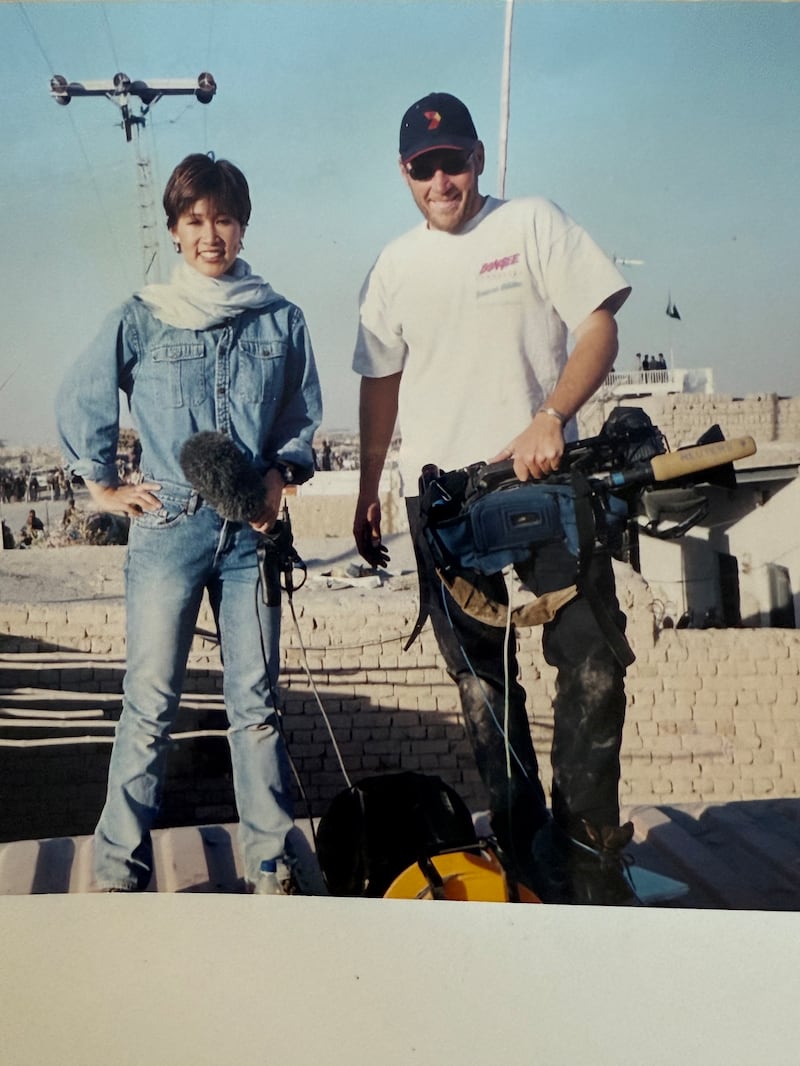
“I will never forget how the CNN newsroom looked at the time,” Lin said. “Everybody was standing, everybody was on the phone, everybody was gesturing, they were shouting. It was loud, and it’s never that way.”
“Breaking news is in the DNA of that organization. It’s what they do,” Lin continued. “Wars have broken out and you could hear a pin drop because people are just very focused. But that day it was chaotic, organized chaos, but chaotic and loud in the newsroom.”
When the second plane hit, the newsroom roared.
“That’s when we all knew,” Lin said. Terrorism was confirmed.
Lin looked around at the television monitors surrounding her. Adrenaline pumped through her veins as she watched droves of first responders arrive on scene while civilians jumped to their death. Later footage showed the Pentagon on fire and representatives running out of the Capitol Building.
“The day went from the slowest news day to making history,” Lin said.
25 years later, Lin recalls the lessons 9/11 taught her
Looking back, Lin still remembers that Sept. 11 so clearly, yet listening to her own voice reporting on the tragedy feels like “a portal into a very different life and a very different person.”
That day taught her lessons about journalism, about herself and about what it means for news to break — both in a national scope and within our own lives, inspiring her to write her newly-released book, “When News Breaks: A Memoir of Love and War.”
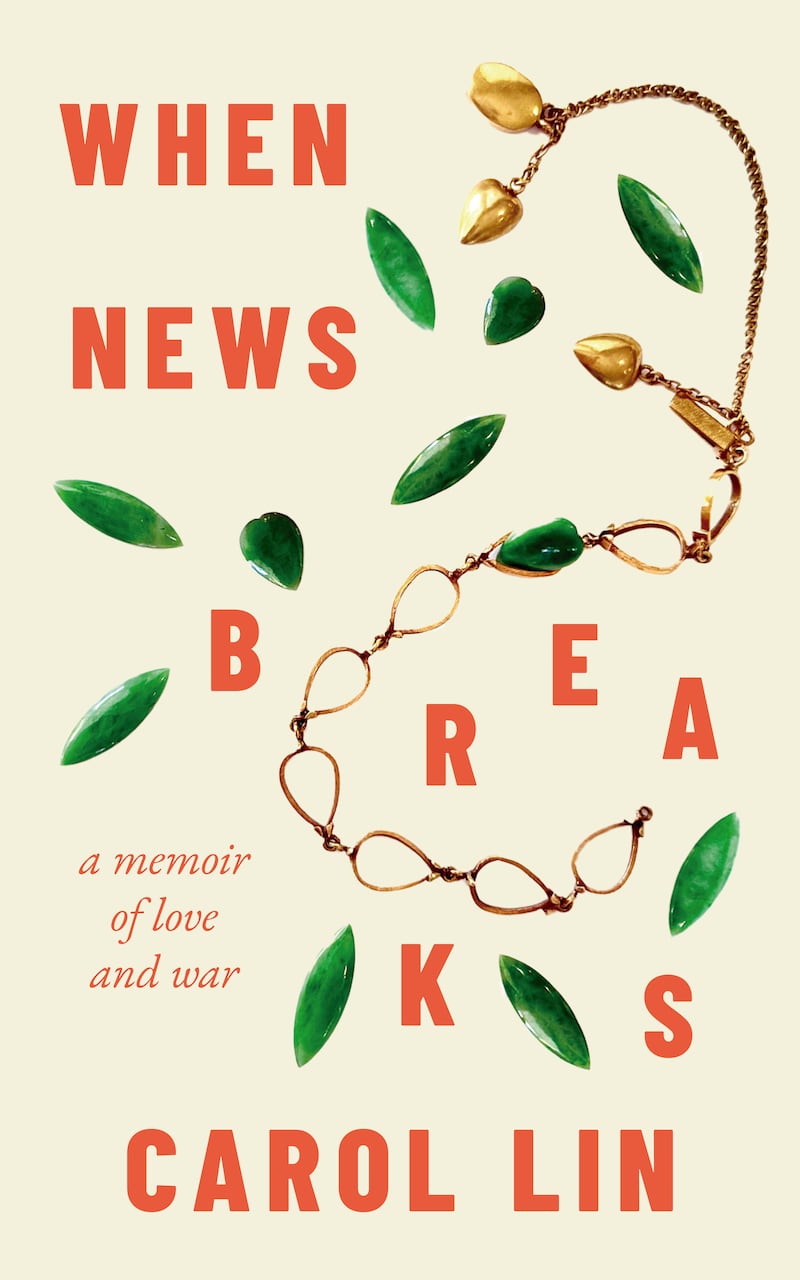
“We all have stories of that before and after,” Lin told the Deseret News. “Like right before the most significant thing in your memory has happened, and then how it changed you. And I think our ability to think like that about our own lives adds richness to our lived experience.”
Lin said over time she has learned that everyone experiences their own “breaking news.”
“Whether it’s what they were doing on 9/11, or whether it’s facing a critical diagnosis, or whether it’s the moment someone asks to spend the rest of their life with that person,” Lin said, “These are meaningful in all the same ways.”