
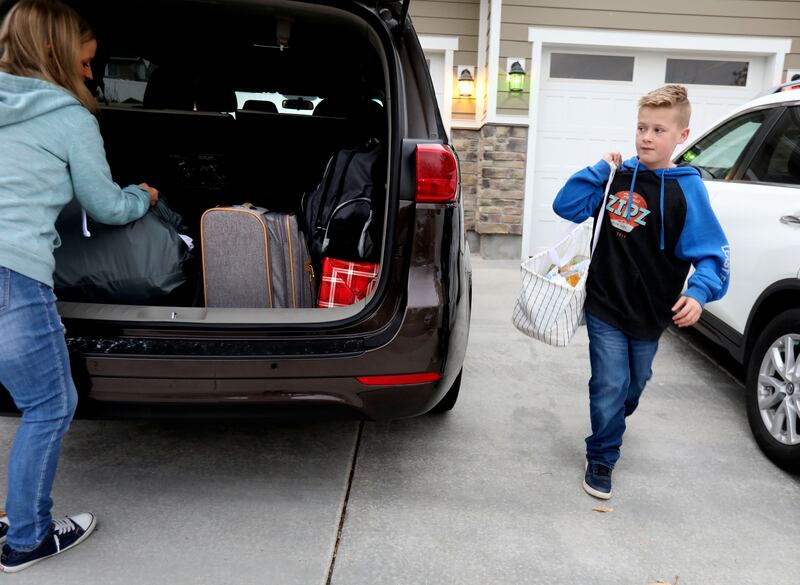

SALT LAKE CITY — As the second-highest number of people ever to take to the roads for Thanksgiving are expected this year, travel experts are warning drivers to plan ahead.
More people this holiday are expected to travel than in nearly 15 years, according to AAA, with just under 50 million in the country driving to their destinations.
And meteorologists say winter weather next week will complicate Utah’s already-crowded roads — an issue officials are already prepping for.
“We could be looking at a one-two punch as far as travel on our roads is concerned. Not only are you going to have the typical holiday travel, where people are trying to get out and celebrate with their families, but you’re also going to have weather, which could really create a challenging situation for drivers and for everyone out on the road,” said John Gleason, spokesman for the Utah Department of Transportation.


Record-breaking numbers
The Mountain region — including Arizona, Colorada, Utah, Nevada, Idaho and Wyoming — will likely see more than 4 million people traveling, with upward of 3.5 million of them driving to their destinations, according to Aldo Vazquez, AAA Utah spokesman.
The numbers are the highest since 2005.
“One of the main reasons why we’re seeing this big increase is because the main factor that is driving people to want to get out this Thanksgiving is the economy. We’re seeing low unemployment and consumer confidence, and spending is holding strong thanks to increased wages, disposable incomes and household wealth. And because of that, travel remains a top priority for Americans,” Vazquez said.
And lower gas prices than last year are prompting many to take to the roads, he added. As of Friday, the average national gas price was $2.59, although Utah’s average was $2.95.
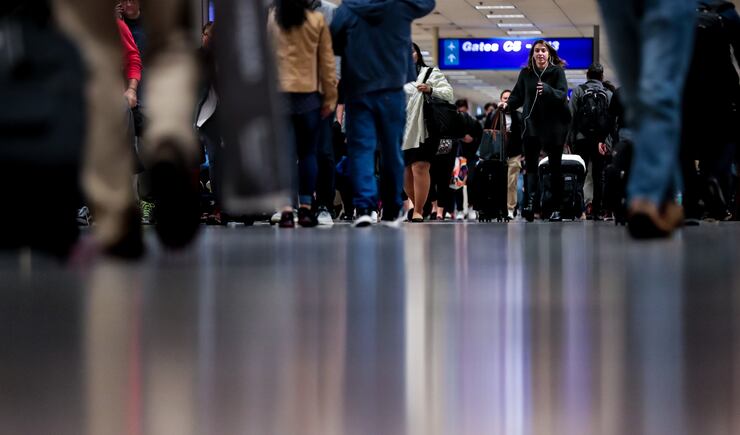
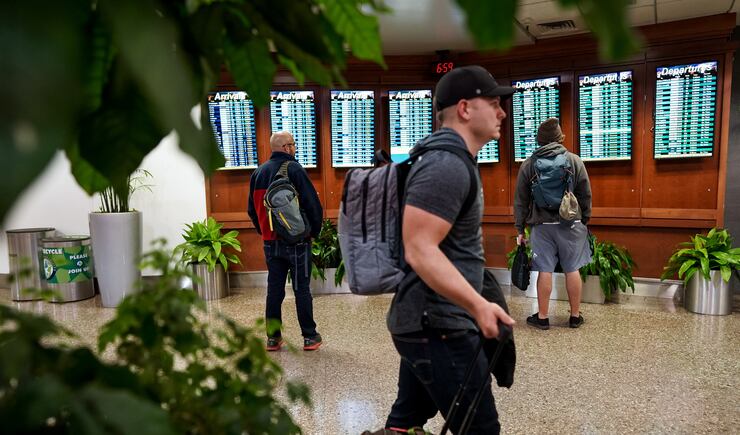
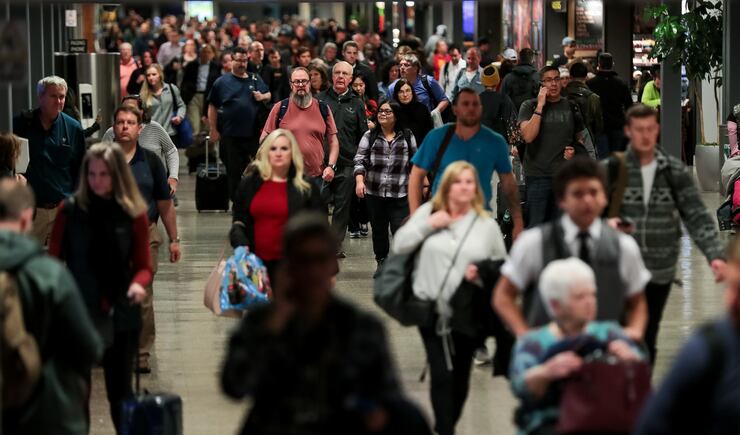
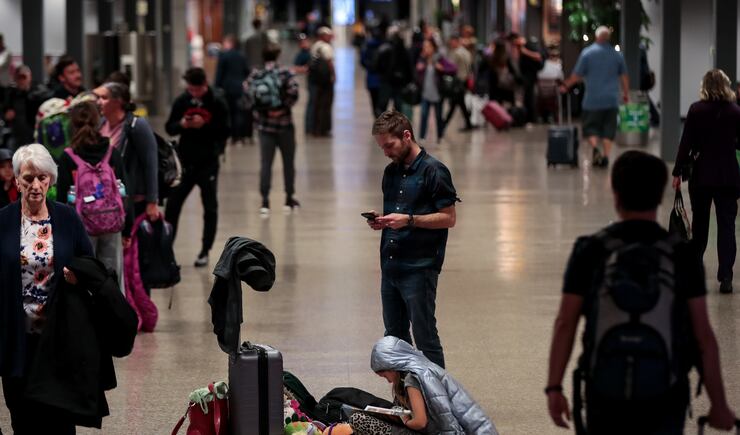
The holiday flying rush also began Friday. Officials at Salt Lake City International Airport expected more than 25,000 travelers to be screened at security checkpoints, with the next surge of some 29,000 on Nov. 27, the day before Thanksgiving.
But the airport saw no noteworthy delays Friday caused by storms in the U.S., airport spokeswoman Nancy Volmer said.
Officials have said the best day to fly for Thanksgiving is on Thanksgiving itself, when fewer than 14,000 travelers are anticipated to depart the Salt Lake airport.
Storms complicate travel
“It looks like overall it’s going to be an on-and-off stormy pattern. We’ve got the first in a series of storm systems moving through pretty quickly on Monday,” said Monica Traphagan, meteorologist with the National Weather Service in Salt Lake City.
Some snow will fall on Monday, she said, with chilly temperatures descending Tuesday.
As of Friday, there was “uncertainty” in the forecast starting the day before Thanksgiving and into the weekend, Traphagan said. A slow-moving storm will come Wednesday, bringing snow into the mountains and some snow in the valleys, along with cold temperatures. But the exact timing of those storms wasn’t yet known Friday — meaning travelers should keep checking the weather as their trips approach.
“What we’re seeing right now is there is a potential for snow to impact travel on those major traveling days — Wednesday, Thursday and also Friday and Saturday,” Traphagan explained.
She encouraged people to allot extra time for traveling.
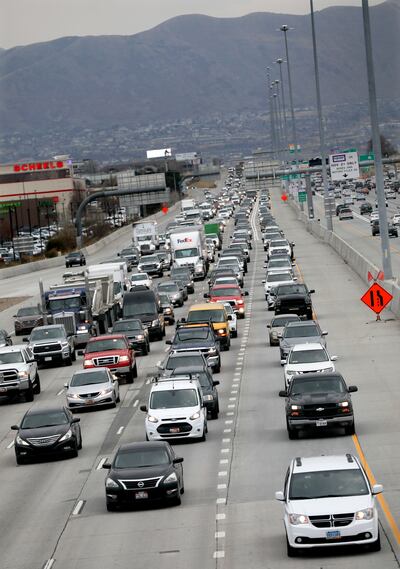
The Utah Highway Patrol was also prepared to be on high alert patrolling Utah’s busy roads next week, UHP Cpl. Chris Bishop said Friday.
With expected weather issues, the UHP is encouraging people to “take their time, as they’re going to be traveling either within Utah or in or out of the state, plan extra time,” he said.
Extra troopers will work the Thanksgiving holiday looking for impaired and aggressive drivers. In Utah County an extra 20 troopers will be out over the weekend, and Bishop estimates 100 additional troopers will work statewide.
Bishop also urged people not to drive impaired, and to anticipate heavy delays throughout I-15.
The Utah Department of Transportation is also watching conditions closely and stands ready to keep the roads safe, Gleason said.
A group of meteorologists at the department’s traffic operations center predicts storms and will provide almost hourly updates, helping the department “know when and where to allocate our resources, so we can put our snowplow crews where they need to be when they need to be out,” Gleason explained.
Most UDOT road projects will suspend construction and open all lanes to traffic between Wednesday and Sunday, Gleason said. But existing lane restrictions and shifts will remain in place where they’re needed to protect projects and drivers’ safety, and drivers should plan for that, he said.
The major projects on I-15 going on “hiatus” include the area from I-84 in Riverdale to Layton Parkway; Murray at the I-215 interchange; and in Lehi, the technology corridor project from SR-92 to Main Street. Existing traffic shifts, lane restrictions and lowered speed limits will remain in effect in many of those areas.
Additionally, I-15 in the Virgin River Gorge has been restricted to one lane by the Arizona Department of Transportation as part of an ongoing project, Gleason said. Those traveling through the gorge should expect 30-minute delays.
Winter conditions
AAA, UHP and UDOT recommend preparing for holiday travel by making sure vehicles are in working order and by packing emergency kits. Before setting off, experts say you should make sure you have:
- Proper tire tread and air pressure.
- Working windshield wipers.
- Adequate battery charge and cranking power.
- Working headlights, tail lights and turn signals.
- An emergency kit, including food and water, warm clothes and blankets, jumper cables, an ice scraper, a flashlight and a cellphone charger.
AAA expects to help more than 368,000 drivers across the U.S. this holiday, Vazquez said. Most calls will be for dead batteries, people getting locked out of their vehicles, and flat tires, he said.
“And so it’s especially important that if you are planning on traveling for the Thanksgiving holiday, that you get your vehicle checked out, that you get those oil changes, because you never know when an emergency is gonna happen, and you want to prevent those before they happen. Because you could also be the cause of an accident out there on the road. If you get a flat tire, you create a danger for everybody else as well.”
He also reminded people to move over for vehicles stopped on the shoulder.
Gleason said those who experience fender benders or minor crashes, when possible, should get off the road at the next exit to protect themselves and others
While major delays are expected throughout the week, the peak will happen on Wednesday — the busiest travel day by air and road. The roads Sunday afternoon through the evening are also expected to be busy.
“If you can avoid Wednesday, that’s the best day to stay off the road or to avoid the airports, because we do expect them to be very crowded,” Vazquez said.
In major cities, commute time is expected to take two to four times as long as usual, he said.
“You’re definitely going to want to pack your patience for your trips.”