Editor’s note: This story was originally published on Dec. 17, 2024.
A look back at local, national and world events through Deseret News archives.
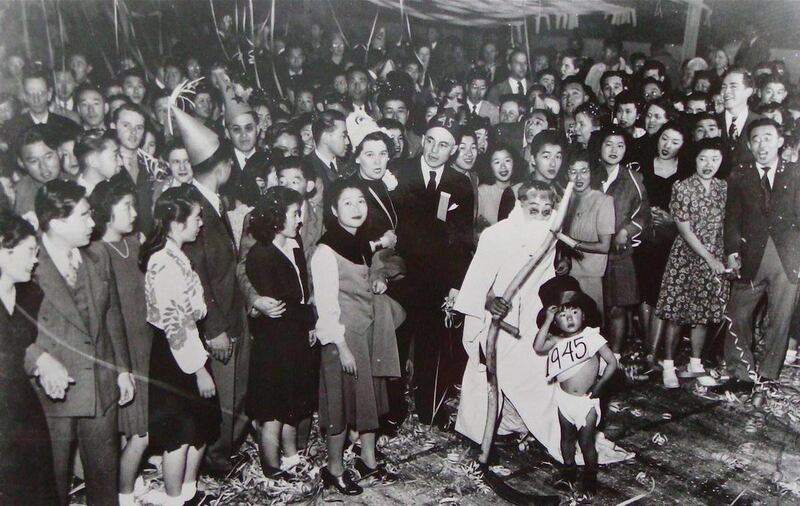
On Dec. 17, 1944, the U.S. Army’s Western Defense Command rescinded orders to incarcerate people of Japanese ancestry from the West Coast during World War II; more than 110,000 men, women and children of Japanese ancestry, about two-thirds of whom were American citizens, had been forced into camps and held by armed guards following a February 1942 executive order by President Franklin Roosevelt.
Per historical accounts, after the attack on Pearl Harbor by the Japanese military during World War II, Roosevelt had signed Executive Order 9066, resulting in the rounding up of 120,000 people of Japanese descent from America’s West Coast. The majority were American citizens who had never been to Japan.
Ten camps would imprison Japanese Americans, in Utah, California, Wyoming, Arizona, Colorado, Idaho and Arkansas. As many as 11,000 were sent to the Topaz internment camp in north central Utah.

Those years were difficult for Americans of Japanese descent, as well as German and Italian Americans. Now, 80 years later, a timeline of decisions surrounding Executive Order 9066 shows the challenges facing leaders in wartime, but also the overwhelming fear and heartache that Japanese Americans faced every day.
On Dec. 17, Public Proclamation No. 21 was issued, lifting the West Coast exclusion orders and restoring the right of Japanese Americans to return to their former communities.
The proclamation went into effect on Jan. 2, 1945, and it took a couple more years for all the camps to be closed.
In 1988, President Ronald Regan issued a formal apology, signing legislation that paid $20,000 in compensation to the surviving victims of the internment camps.
Many Utahns carry the personal memories of those days, from all sides of the war. It might be easy to judge the headlines and photos and worries of the day through current political and social lenses, but the scrutiny helps Americans improve and overcome.
Here are some stories from Deseret News archives about that point in time in Utah, across the West and around the world:
“‘Never again’ — using memories of Japanese internment to build a better future”
“8 things you may not know about Japanese-American internment in Utah”
“Stories of Japanese internment camp recovered”
“A last note for the trumpeter’s father”
“At 84, ‘Star Trek’ actor George Takei is still on a mission”
“Topaz survivors, descendants honor man killed at camp after discovery of old monument”
“Japanese Americans urged to share internment story”
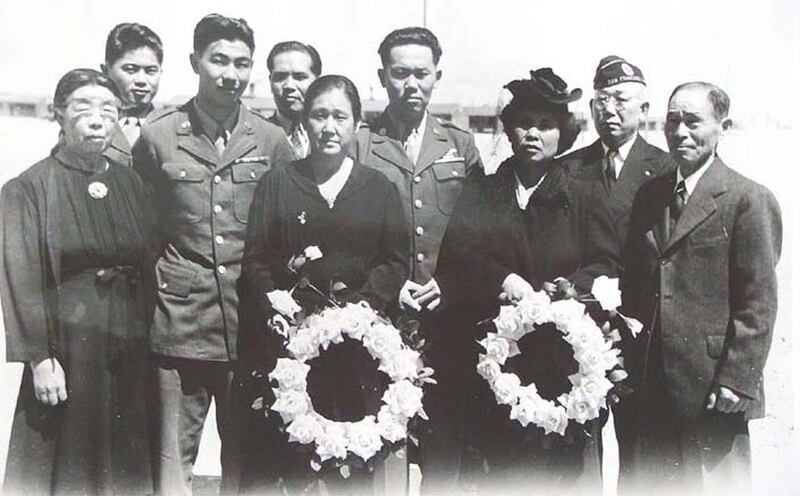
“Feb. 19 ceremony marks Japanese internment”
“Efforts to preserve history of internment camp recognized by lawmakers”