

Organizers behind efforts to overturn Utah’s law barring public sector unions from collectively bargaining are asking lawmakers to fully repeal the law or allow voters to weigh in during next year’s referendum.
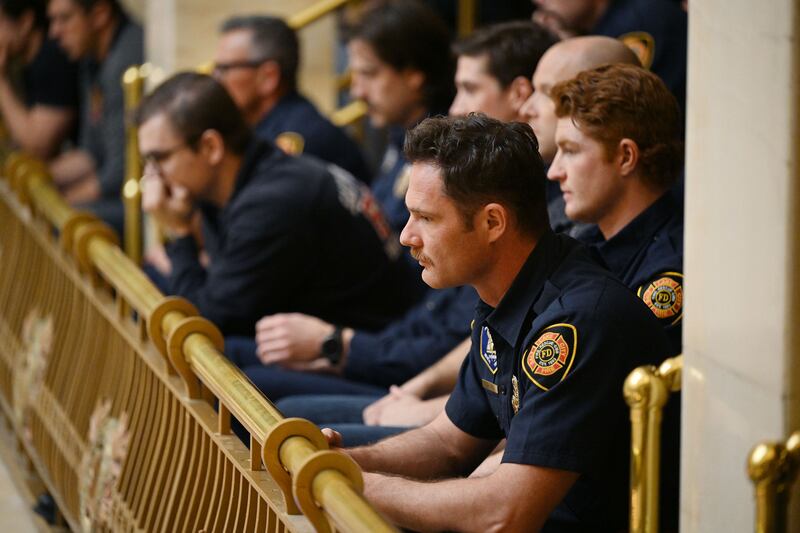
The referendum attempting to roll back HB267 was officially placed on the 2026 general election ballot in June, but Republican lawmakers are rumored to be looking at tweaking the law in a special session in September. Representatives for teachers, firefighters, police officers and others urged lawmakers not to do so, however, asking that the law be fully repealed or stand as it is until the referendum vote.
The Protect Utah Workers coalition said it will “hold the line” on any changes to the law that might sidestep efforts to overturn it.
“Our position is clear: Every public worker in Utah deserves the right to be heard and represented,” said airport employee and AFSCME Local 1004 President Jerry Philpot. “The right to negotiate safe working conditions and better resources for our communities is nonnegotiable.”
Although a relatively small percentage of police officers, firefighters and teachers collectively bargain with their employers to determine wages, benefits and working conditions, the bill received consistent pushback from public employees across the state who said it hampers the ability of public workers to advocate for themselves.
Lawmakers who supported the bill say it maintains a balance between the employees and the interests of taxpayers, and some have said the collective bargaining process leaves out individual employees who are not part of unions.
HB267 was paused earlier this year after the Protect Utah Workers coalition turned in more than 320,000 signatures, meeting the threshold to put a referendum on the ballot.
The Republicans behind the bill have accused the labor unions of negotiating with lawmakers in bad faith, going back to the early days of the bill, and sponsor Rep. Jordan Teuscher on Thursday said the group has “chosen not to have a seat at the table,” but that he is working with other stakeholders moving forward.
“I’ve tried to work in good faith with Protect Utah Workers to find common ground, but it’s become clear they’re more concerned with protecting their own power and control over their members than with having honest conversations or looking out for the people they claim to represent. That’s disappointing, but not surprising,” the South Jordan Republican told KSL.com.
“Whether any changes are made before the bill goes to the ballot will depend on the outcome of these discussions and other discussions,” he said.
Teuscher did not elaborate on potential changes being discussed.
Protect Utah Workers remained confident that voters would take its side next November, pointing to the number of signatures gathered in just 30 days to qualify the referendum.
“If lawmakers doubt where Utah stands, they should read the numbers,” Philpot said. “The public is on the side of educators, firefighters, police officers, nurses, airport workers, state chemists, librarians, plow drivers, public health workers, custodial staff, transit workers and every public worker who keeps our state running.”