


In 2020, Jodi Horton and Ashlee Hinds looked at their calendars filled with upcoming races and realized something was missing. Despite plans to run, neither felt the excitement they expected.
So, during a year defined by challenges and setbacks, the sisters-in-law began creating something entirely new: a race series designed by women, for women.
Enter the Women’s Epic Race, a mountain-based endurance series built around community, empowerment and experience. The timing could not have been better, launching during a time when people, especially women, were craving meaningful connection.
The inaugural race took place in 2021 at Brighton Resort in Big Cottonwood Canyon. Despite debuting during what Horton called a “funky year,” the race sold out within a month.
“It was history from there,” Horton told Deseret News.
Since then, the Women’s Epic Race series has expanded to include events at Brighton Resort, Deer Valley Resort and, new this year, a road half-marathon near Weber State University.
“What started as a single trail challenge at Brighton Resort has grown into three sold-out, mountain-based events that showcase both Utah’s world-class terrain and the incredible strength, resilience and community of women of all skill levels,” Hinds wrote in an email to Deseret News.
“From first-time runners to seasoned athletes, Women’s Epic has created a space where every woman can push her limits, find confidence on the mountain, and be part of something bigger,” the statement continued.
Designed by women, for women
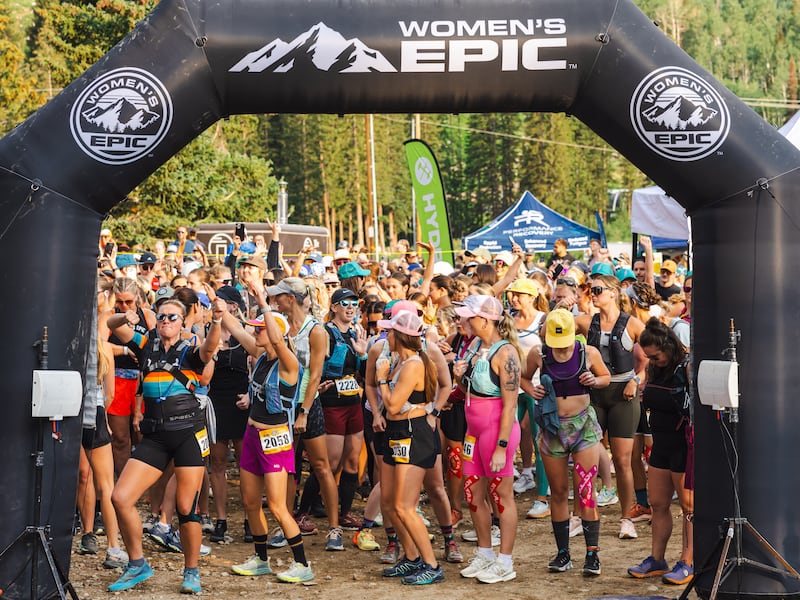
For Horton and Hinds, shaping the race was personal. “That’s the beauty of creating something,” Horton said. “You tailor it and shape it and make it what you want.”
Every detail reflects that vision and no detail is too small. Instead of traditional finisher medals, the Women’s Epic awards necklaces — a daily reminder they climbed a mountain, came back down and survived.
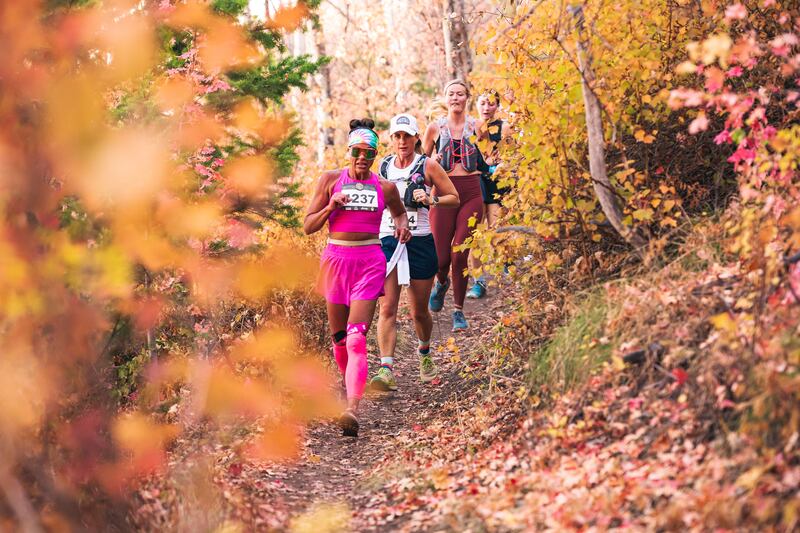
With a goal to showcase Utah’s beauty, the course layouts are intentional. At Brighton, the trail includes a slight overlap at the most difficult section, allowing runners to high-five and encourage one another, Hinds shared. Time of year is also intentional — races coincide with peak wildflower season or fall foliage.
“It makes a race a hell of a lot easier when you’re surrounded by beauty,” Horton said.
Rethinking the race experience
Horton and Hinds wanted to modernize the race experience for women by thinking beyond traditional race protocols. Lactation stations, menstrual products and other necessities — including glitter — are available. The Women’s Epic Race prides itself on being among the first trail races to provide menstrual care on course.
Hinds described it as a “bucket list experience” from start to finish.
‘More than a race’
Community is a central motivator for Horton and Hinds. A defining feature in the Women’s Epic is the veterans program. Since 2022, female veterans and active-duty military members are honored with a ceremony and carry the American flag during the race, giving fellow runners an opportunity to thank them as they climb.
The initiative stems from Horton’s upbringing.
“My parents made sure I understood what it means to be American and free,” she said, emphasizing the sacrifices of service members.
Horton recalled a veteran approaching her after a race to express her gratitude, adding, “The female veteran is often forgotten.”
Participants stories’ are celebrated as much as their athletic achievements. Runners are invited to submit a personal line to be read when they cross the finish line. They range from lighthearted fun facts, such as “I love peanut butter,” to personal triumphs over cancer, abuse or personal hardship.
One runner, Amy, completed a race while undergoing chemotherapy, the pair shared with Deseret News. The following year, she returned, this time in remission, calling it her “redemption race.”
Horton and Hinds say stories like Amy’s are not unusual. After each event, their inboxes fill with messages from women who trained through depression, divorce or personal hardship, crediting the race with helping them endure.
“Some tell us they almost didn’t show up on race day,” Hinds said. “And they tell me they’re so glad they did.”
While the courses, landscapes and course design set the Women’s Epic Race apart, Horton believes it’s ultimately the women who run, and their stories, that make the series truly epic.