

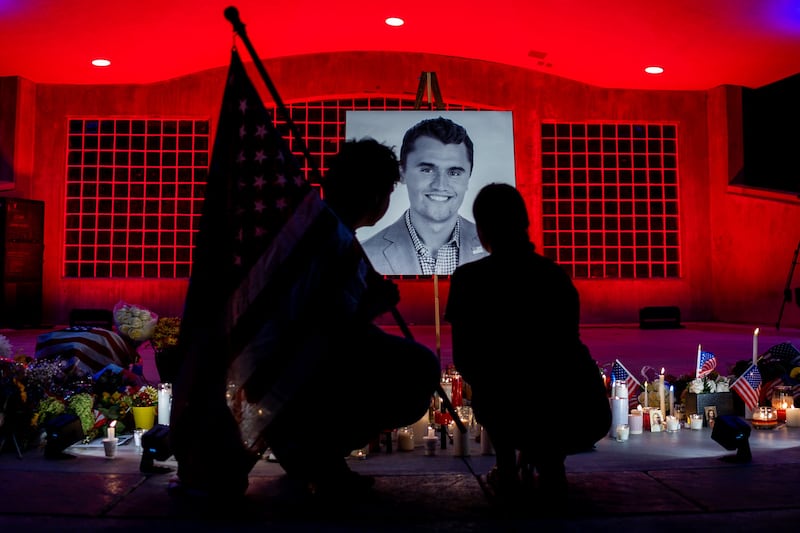
A proposed new bill filed in Utah seeks to honor the slain conservative activist Charlie Kirk by renaming a street in Utah’s capital city after him.
However, it’s drawing ire from the city and multiple organizations for the process it creates, and the street it would target.
HB196, sponsored by Rep. Trevor Lee, R-Layton, seeks to allow the Utah Legislature to “make a special designation of or name” a locally owned road. Local communities would work with the Utah Department of Transportation on new signage, but the measure wouldn’t change the ownership or responsibilities of that road.
It would then use that framework to rename 900 South in Salt Lake City to “Charlie Kirk Boulevard.” Kirk was shot and killed while speaking at an event at Utah Valley University last year.
“Charlie was an icon (and) an advocate for free speech. ... Charlie was the best of us, and it’s extremely sad that it happened to be here in our state — on one of our campuses — that he was assassinated,” Lee told KSL on Monday, as he explained his proposal. “(There’s) not a better way to memorialize him than name a street after him in our state.”
He said 900 South would be the perfect street for that, since it’s at the “heart of Salt Lake City,” but city leaders and LGBTQ advocates say they believe it’s a ploy to meddle with the city’s LGBTQ community.
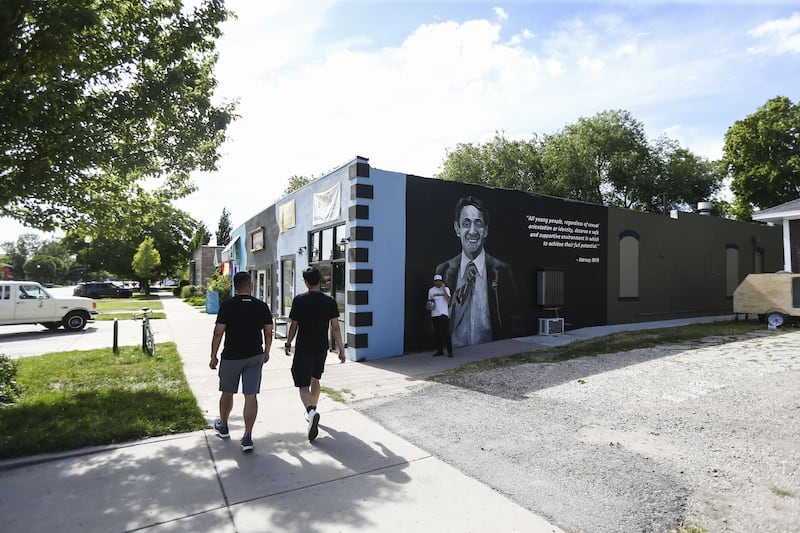
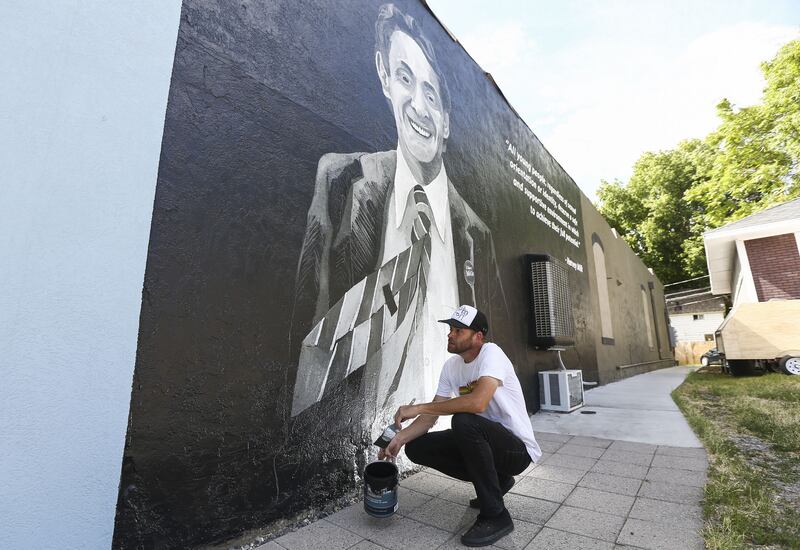
900 South is currently alternatively known as “Harvey Milk Boulevard,” after Salt Lake City Councilmembers voted to name a section of it after Milk on “an honorary basis” in 2016. Milk was one of the first openly gay individuals elected to public office in American history, before he was shot and killed in 1978.
The honor title extends from 1100 East to 900 West, although the street is officially named 900 South. Several street signs bear both names, and a local business added a mural of Milk in 2019.
Salt Lake City is already preparing to resist HB196 as it’s introduced.
“We adamantly oppose this bill as an erosion of local control,” said Andrew Wittenberg, a spokesman for the Salt Lake City Mayor’s Office, in a statement to KSL.
Lee and Salt Lake City clashed last year, after the representative championed a bill that barred certain flags, including the LGBTQ pride flags, from being flown at government buildings.
That bill was meant to maintain political neutrality in public spaces, he said at the time. Salt Lake City, which had flown the Progress Pride flag outside of City Hall during Pride Month over the last few years before the measure, ultimately adopted three new city flags that incorporated the city’s emblem on otherwise unapproved flags on the eve of the law taking effect to bypass it.
HB196 figures to be the next legislative challenge the city faces, which isn’t unlike the hurdles Milk faced in his lifetime, said Salt Lake City Councilwoman Eva Lopez Chavez, in a video that Salt Lake Pottery Studio, a business located on the road opposed to the measure, posted to social media over the weekend.
“(Milk is) an icon that represents adversity and overcoming it, and I think this is a time more than ever where we need to treasure and protect our street,” she said.
Equality Utah launched a petition urging the Utah Legislature to “uphold the principle of local control at the municipal level” by allowing Salt Lake City to retain the name of the street it adopted a decade ago.
Troy Williams and Marina Lowe, leaders of the state’s largest LGBTQ rights organization, also lambasted the bill, accusing Lee of provoking culture wars by proposing the measure.
“If a conservative municipality desires to memorialize Charlie Kirk, where he will be truly celebrated, then that is absolutely their prerogative,” they added in a statement on Friday. “We are not going to pit Charlie against Harvey. These two men, if still alive today, would enjoy sitting down together and engaging in spirited and friendly debate about the issues of the day.”
When asked whether he would be OK with Salt Lake City renaming another road after Milk, Lee said the city “can do what they want,” citing local control.
It’s unclear if HB196 has the support to move forward in the upcoming legislative session, which runs from Jan. 20 through March 6. All bills must be passed by the Utah House of Representatives and Senate before going into law.
If approved, the new road name would take effect in May.