



- Arctic blast will cause temperatures to drop significantly in central and eastern U.S.
- Snow predicted in Michigan, Indiana, Ohio and parts of Northeast this week.
- Florida cities bracing for low temperatures, but no snow accumulation expected.
- Utah facing hazardous air quality due to temperature inversion and recent storm activity.
- Persistent cold weather in southern U.S. expected to continue into early next week.
An Arctic blast of bitter cold is set to hit the eastern half of the country this week as Utah deals with the worst air quality in the U.S.
The Arctic blast will drop temperatures to well below average in the central and eastern U.S. as far south as Florida, according to USA Today. This freezing weather, brought in by a series of cold fronts, follows an unseasonably warm start to the week.
Here’s a look at what the weather is set to be like across the nation this week.
Cold and snow hit the eastern part of the country
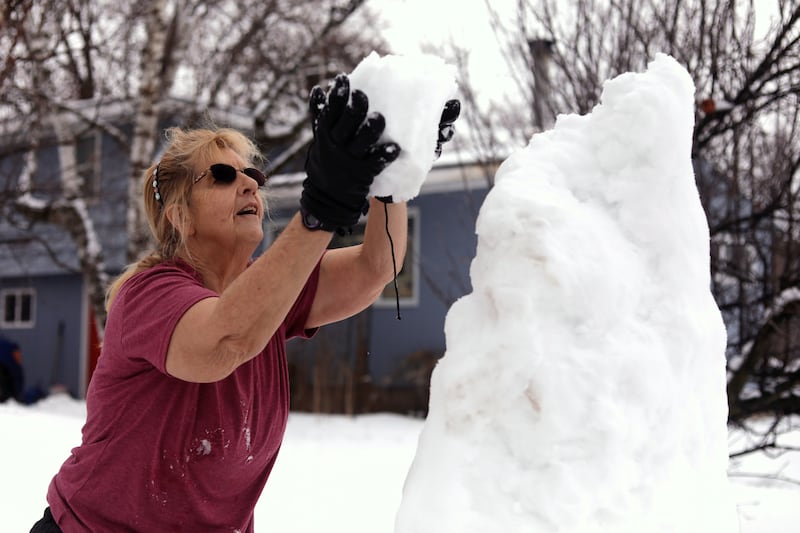
The incoming cold air is also expected to be paired with snow in some areas this week. Snow is projected in parts of Michigan, Indiana and Ohio on Wednesday before moving into the Northeast late Wednesday night and Thursday, per AccuWeather.
The highest snow totals are expected in areas downwind of the Great Lakes. Areas like Cleveland, New York and Buffalo are expected to accumulate enough snow to cause slippery travel conditions. Forecasters say another storm will bring more snow to areas around the Great Lakes on Thursday and Friday.
Along with the cold and snow, there are also strong winds expected, with gusts as high as 40 mph possible in the Northeast and New England on Thursday, per reports.
A surge of Arctic air is expected to keep temperatures below average in the central and eastern U.S. through late January.
Ryan Maue, a Weather Trader meteorologist, told USA Today, “We are poised to see a potentially historic Arctic ‘polar vortex’ blast across North America (and Eurasia) into the end of January.”
Freezing temperatures are expected as far south as Florida
A cold front will also hit the southeastern U.S. late Wednesday into Thursday, bringing freezing temperatures as far south as Florida, according to AccuWeather.
Cities such as Atlanta and Nashville are expected to see high temperatures in the 30s on Thursday. Reports say in northern Florida, low temperatures are expected to dip into the 20s on Thursday night in cities such as Tallahassee and Jacksonville. In places like Lakeland and Orlando, temperatures will drop to the 30s. Central Florida is also expected to see a freeze on Thursday night.
While Florida will see a drop in temperature, most believe it will not receive snow. The farthest south that snow is expected to reach this week is the Appalachians of Tennessee and North Carolina.
The persistent cold in the south is predicted to carry into early next week, per AccuWeather.
Utah faces poor air quality from an inversion
While Utah is not experiencing the same Arctic blast that most of the country is, it is dealing with an inversion formed by the state’s latest storm wave, according to KSL.com. This inversion has caused the state’s air quality to plummet.
Multiple cities in the Salt Lake Valley are leading the nation in poor air quality this week, per KSL.
As the week continues, the poor air quality is expected to spread into Davis and Utah counties as well, reaching air quality levels that are unhealthy for sensitive groups.
The Utah Division of Air Quality has prohibited open burning and solid fuel burning devices across the region this week to stop people from making the air quality worse than it already is. Utahns are also encouraged to limit their trips to reduce vehicle emissions.
According to KSL.com, an inversion “develops when warm air forms over cold air in the valley, trapping the cold in place and any water vapor and emissions below. This typically occurs when there’s a lull in storm activity.”
This inversion and the poor air quality that comes with it will likely persist through the end of the week, with relief hopefully coming from a storm next week.