

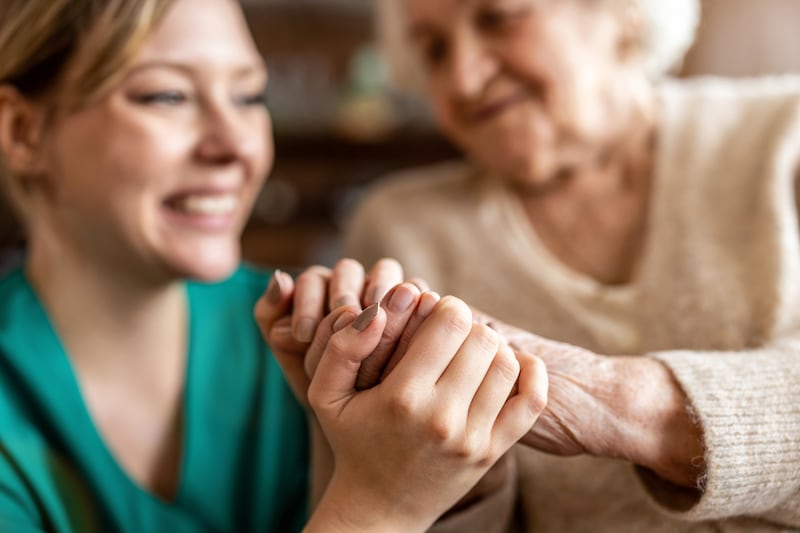

Caring for a loved one with Alzheimer’s disease or dementia requires immense time and effort, and the emotional toll can be high. Approximately 110,000 Utahns provide informal care for loved ones with dementia, according to Utah State University Extension. The constant demands of caring for such a loved one can lead to feelings of isolation, frustration and burnout.
While memory care is an around-the-clock commitment, experts at Alzheimer’s.gov urge caregivers to prioritize their own well-being by taking breaks, eating a balanced diet or connecting with mental health professionals.
Now, a new support initiative is launching in six Utah counties to help caregivers navigate these challenges. The USU Extension project, funded by the Alzheimer’s Disease and Dementia Research Center, is a digital literacy pilot program designed to empower caregivers through technology.
Bridging the ‘digital divide’
The program aims to aid a population that is often targeted by scammers or cut off from resources.
“We know that caregivers are the backbone of our community, but they are often targets for fraud or suffer from isolation,” said Cara Murray, USU Extension assistant professor and project lead, in a news release. “This program is about giving them the tools to feel safe, connected and empowered.”
Over four weeks, participants learn to:
- Navigate telehealth platforms and health management apps
- Use home monitoring tools to support independent living
- Use digital tools to prioritize caregiver mental health
- Protect families from online scams and manage digital assets
“The goal is to enhance the ability of caregivers to access, evaluate and use digital tools that improve health outcomes and reduce isolation,” said Murray.
How to participate
The pilot classes are designed for family members, who are often in their late 50s or 60s, who act as unpaid caregivers. Participants will receive incentives for their time and feedback, which will help researchers refine the program before it expands statewide.
Virtual classes for Utah, Summit and Wasatch counties are held Mondays at 11 a.m. While the session began April 6, late registration is available if there is still space in the class. Those who wish to register can contact Jared Hawkins at jared.hawkins@usu.edu. The classes will run until April 27.
In-person classes for Davis, Carbon and Box Elder counties begin in May. Space is limited to ensure each participant can receive personalized instruction.
- Davis County: Classes meet at the Central Davis Senior Activity Center from 11 a.m. to 12:30 p.m.
- Box Elder County: Contact Kristen Koci at kristen.koci@usu.edu to register.
- Carbon County: Contact Christina Pay at christina.pay@usu.edu to register.
Those who wish to learn more about the classes and how to sign up can visit Utah State Extension’s website.