

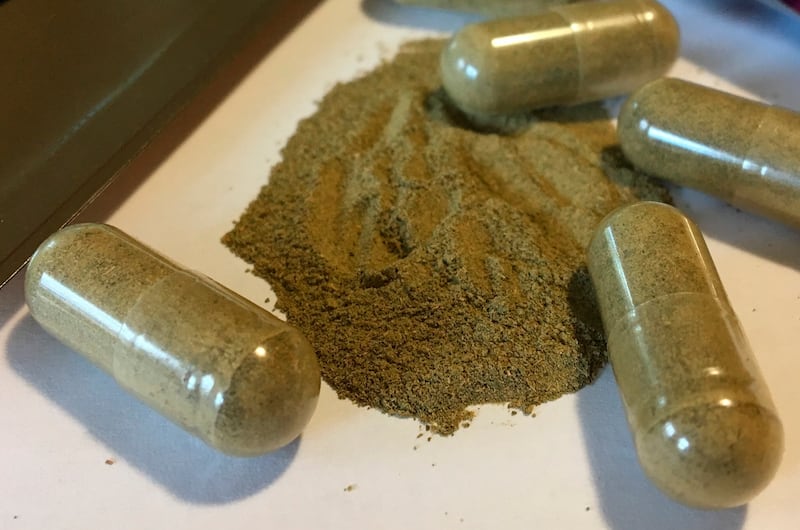

- The Utah Department of Agriculture & Food issued a warning about illegally sold kratom products.
- The agriculture department and Utah Poison Control Center say the products are linked to a death.
- Utah banned kratom other than pure-leaf products earlier this year.
The Utah Department of Agriculture & Food and the Utah Poison Control Center issued a warning Thursday regarding illegally sold kratom products linked to a death in the state.
Investigations are ongoing regarding a recent death and several severe health incidents associated with Buzzers brand Cat’s Claw tablets found to contain illegal kratom alkaloids, according to the agencies.
Agriculture department spokesman Leon Page said he didn’t have any details to share about the death.
The agencies are warning people not to buy or consume Buzzers Cat’s Claw tablets and to safely destroy any existing product. They’re advising retailers to immediately remove products and contact the state agriculture department’s Specialized Products Division.
Kratom has two main biologically active components, mitragynine and 7-hydroxymitragynin or 7-OH for short. 7-OH is the stronger component and its synthetic version is especially addictive.
“This particular one was not labeled as kratom at all. It was labeled as a totally different product. It was only discovered because of the incident and poison control submitted the samples to us,” Page said.
Products the state tested contained both mitragynine pseudoindoxyl and MGM-15, which are opioid-acting compounds derived from the kratom plant and Schedule I drugs under Utah law. The substances were found in multiple flavors, and have been identified in overdose cases in recent weeks, according to the agriculture department.
Utah banned kratom products other than pure-leaf products during the 2026 legislative session.
The new law came after a Deseret News story about the dangers of kratom, sometimes called “gas station heroin.” Kratom may be sold only in certain shops by those who are 21 or older. The law gave kratom manufacturers one year to stop producing anything other than pure kratom leaf in Utah.
Kratom is Mitragyna speciosa, a tropical tree growing in Southeast Asia. The U.S. Food and Drug Administration says its leaves are in products sold online and in retail shops, from teas to energy drinks to gummies, powders and more. Although making medical claims about supplements is not legal, manufacturers, retailers and users often hint that kratom is a do-it-yourself remedy for everything from pain, cough and depression to diarrhea and addictions.
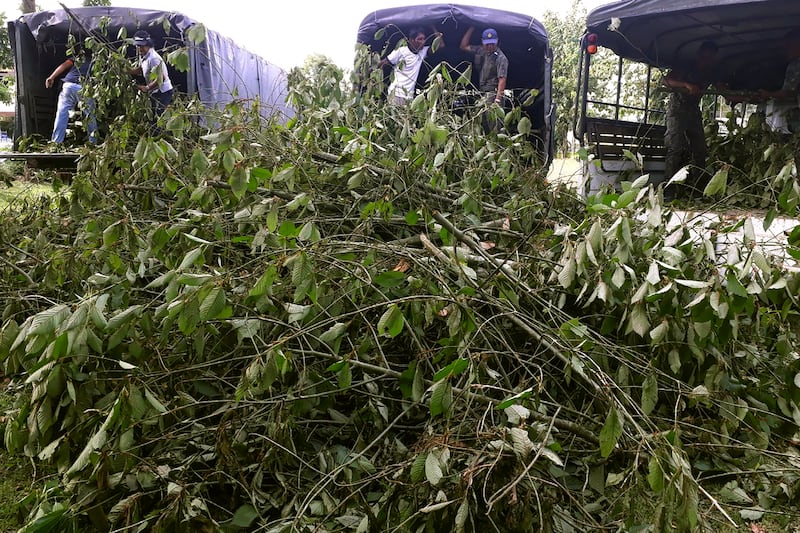
Kratom is not approved by the FDA for any medical use.
Cat’s claw is a woody vine and herbal supplement that is not expected to cause adverse effects. Cat’s claw products do not contain the psychoactive compounds found in and derived from kratom.
The Utah agriculture department said it is working closely with retailers and law enforcement to ensure that the mislabeled products are off shelves and unavailable to consumers.
The poison control center recommends administering naloxone in suspected overdoses involving those kratom products. Patients experiencing opioid withdrawal from the products may be treated in usual fashion by providers experienced in addiction management.
Anyone concerned about adverse effects of kratom may call the Utah Poison Control Center at 1-800-222-1222, 24 hours a day, seven days a week for advice.