

The topic for this week's column was found outside my own front door.
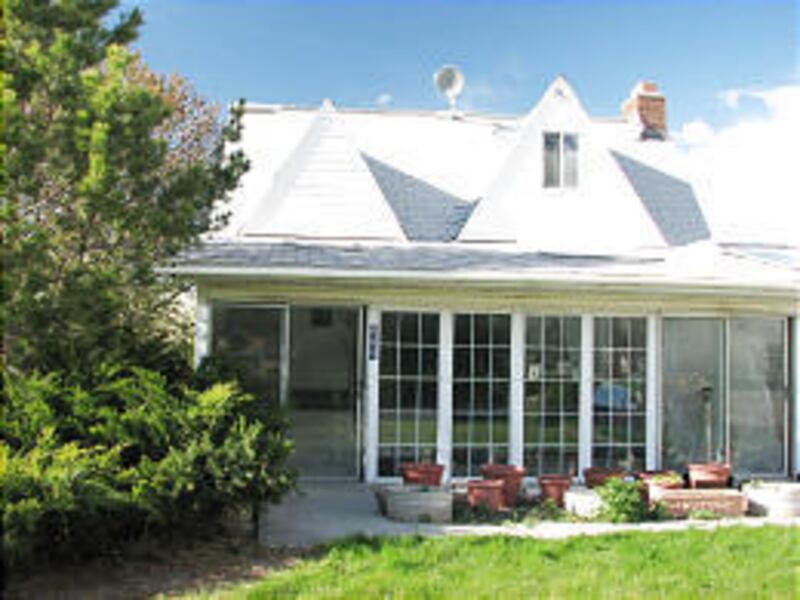
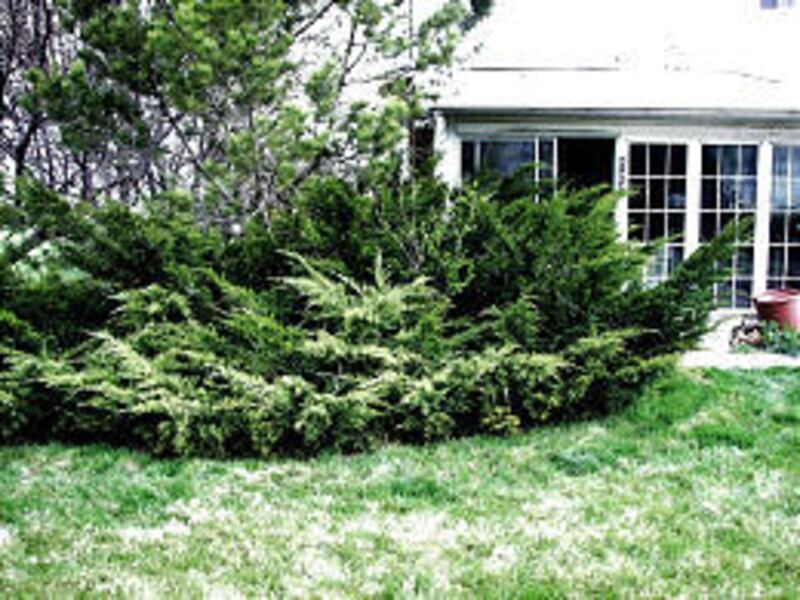
Lately, passers-by might have wondered why the junipers planted near the front entryway of my home seemed to be closing off the front door. The answer is simple: I've been conducting research.
Actually, calling it research might be stretching it a bit, but it is a convenient explanation when anything goes wrong in my yard. But back to the junipers: I intentionally let the plants get badly overgrown, so I could demonstrate how and when to prune junipers.
Some people malign junipers, but they are widely planted landscape shrubs. Among their best points is that they can withstand drought, heat, extreme cold and bad soil, although they have their drawbacks, too.
About the only time you can't prune evergreens is when the wood is frozen. However the very best time is right now, just before the plant starts putting out its new growth for the season.
With all due respect to beauticians and barbers, pruning junipers is a lot like giving a haircut. But while hair will grow back in a couple of weeks, junipers in Utah grow only in the spring. That being the case, pruning before the growth flush allows new growth to cover any mistakes you might make.
The "how-to" is a little more complicated. Unless you are creating a topiary or a formal hedge, you want to avoid using hedge shears or clippers. There are three types of cuts you can make:
Removal cuts take out the stem completely and are usually made at ground level.
Heading cuts are made at a specific point without regard to where the buds are on the plant. These stimulate other buds to grow, making heavy growth on the branch ends. This works well for hedges.
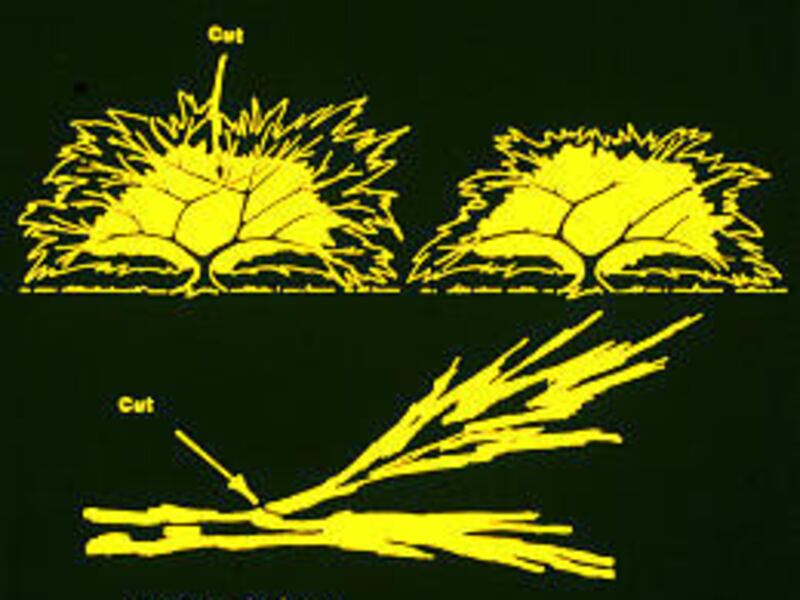
Thinning cuts are made to a side shoot to keep the natural shape of your plants. Using this method, the branch is cut off where it comes off the main stem, or it's cut back to a lateral side branch.
The thinning-out method of pruning is the most attractive and least conspicuous. It forms a more open plant with a natural look. It also avoids stimulating excessive new terminal growth. You can remove significant amounts of growth and reduce the plant size without changing its natural appearance.
One of the worst looks for junipers is to make one side sculpted or squared off while other sides keep a natural look. Natural, free-form plants look better; the plants are easier to maintain, and they are usually healthier.
Like most plants, junipers form layers. The lower layers spread out the farthest, so that's the place to start. Lift the shrub and remove most of the bottom branches. This alone will reduce the plant spread. The upper branches usually cover the old growth once you lay them back down.
Leave the next layer of branches slightly longer than the bottom branches; gradually reduce the length of the upper branches from the top to bottom with thinning cuts. This shingled effect looks better, and the upper branches will grow faster and cover the base of the plant, because they get more light.
Evergreen shrubs can be maintained for years at a desirable height and spread if pruned by this method. Junipers do not produce buds on old wood, and if you prune them back to bare wood, they'll look brown and unattractive for years. If the shrubs specimens become too overgrown, replacing the plant — rather than performing severe pruning — is often best.
Having reclaimed my sidewalk, I can now conclude my "research project" and haul off the huge pile of limbs.
Larry A. Sagers is the horticulture specialist, Utah State University Extension at Thanksgiving Point.