

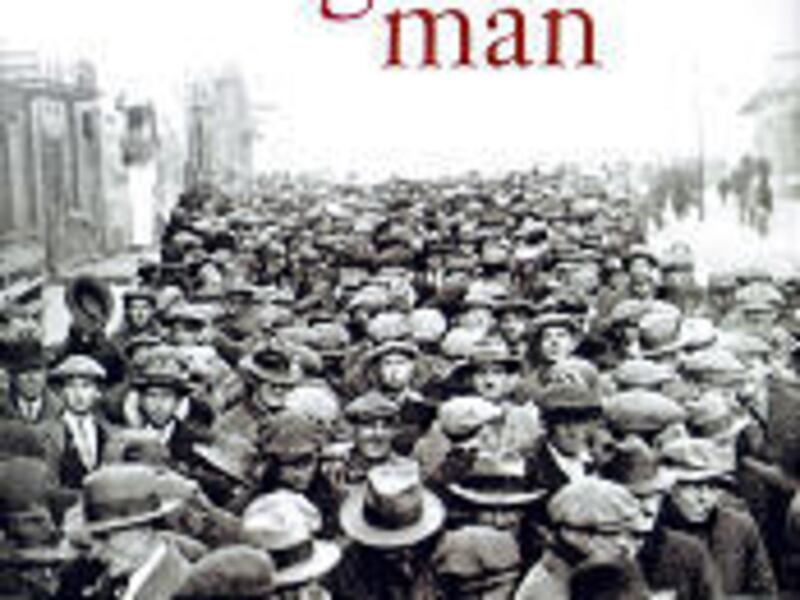
THE FORGOTTEN MAN: A NEW HISTORY OF THE GREAT DEPRESSION, by Amity Shlaes, HarperCollins, 464 pages, $26.95
In the years since the Great Depression, historians have traditionally written about it as if Franklin D. Roosevelt's New Deal was the key to resolving the crisis — especially in putting people back to work. Some have argued just as persuasively that the advent of World War II, with its critical need for spending, was a more important factor.
Amity Shlaes, a visiting senior fellow at the Council on Foreign Relations, has written a surprisingly convincing counter-argument, or as historians say, a solid revisionist book that takes a completely different interpretation.
"The Forgotten Man" places the emphasis on the average American — and a number of individual Americans.
She introduces the reader to Father Divine, a Harlem cult leader, for instance, who argued with the president and made his own contribution, especially in discouraging lynching.
Then there was the Alcoholics Anonymous founder, Bill Wilson, who was a force against addiction and also an example of fortitude.
Shlaes argues that certain business executives suffered at the hands of the government when it was not necessary — and that the Roosevelt administration spent more money than it should have.
Predictably, the author also cuts FDR down to size, asserting that many of his decisions and alphabet agencies were actually mistakes in ways out of the morass — and that many people of the day knew he was making mistakes. This is, of course, a conservative interpretation, suggesting that Roosevelt's mistakes funneled big money into the hands of special interests.
Shlaes' biggest accomplishment is in putting America's humanity at the center of action during a historic crisis. But the author's biggest failing is in not recognizing the genuine social revolution brought about by FDR and the New Deal. As most historians have pointed out, Roosevelt put his personal energy and charisma into fighting the Depression — and appealed to everyday Americans through his radio fireside chats.
Many people identified with Roosevelt and found him to be the voice of optimism that was needed, especially after his predecessor was so sullen that being in a meeting with him was likened to being "in a bath of ink."
Although many of the New Deal agencies failed, a considerable number not only accomplished their purposes, they became permanent parts of the economic structure. The key for Roosevelt was "experimentation," the decision to simply try many different things, and if they didn't work, to try something else.
Moreover, the practice of experimentation can be traced to Colonial days when Americans carved out a nation by doing things they'd never done before.
E-mail: dennis@desnews.com