

Finding the right tree for the right place is a frequent landscape challenge for gardeners. Finding that perfect tree became a little easier with the recent opening of the Varga Arboretum at the Utah Botanical Center.
This tree planting is a fitting way to honor a person who has spent his entire career helping Utahns become better gardeners.
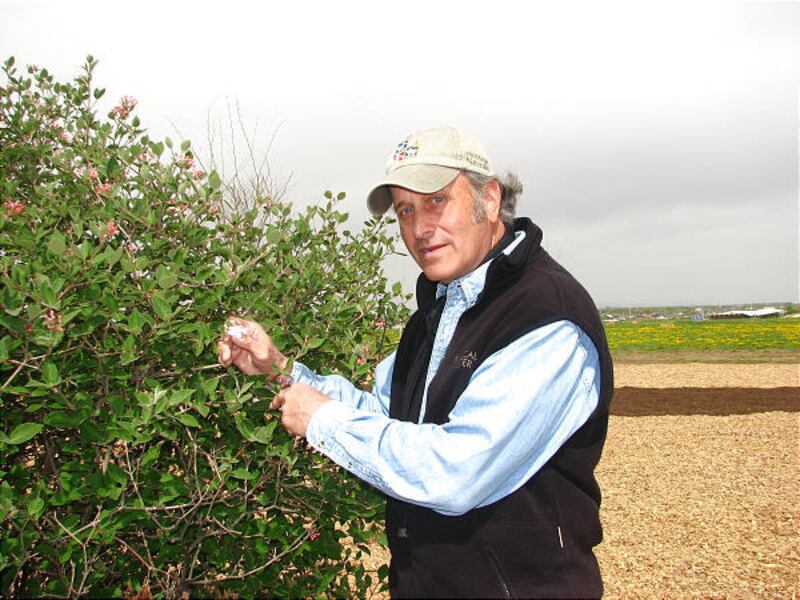
Bill Varga, who recently retired, grew up raising plants in a family business in the East but came to Utah State University in 1966. After his graduation, he worked at the demonstration garden and farm in Farmington.
He eventually formed the Utah Botanical Center there, directing the trials and planting of many annuals, perennials, trees and shrubs. These gardens were a favorite destination for many Utah gardeners and nursery professionals.
When the gardens were scheduled to become a highway interchange, Varga oversaw the acquisition of additional acreage adjacent to the USU fruit research farm in Kaysville. To keep some favorite trees, he had 57 of them transplanted to the new site in 1999.
Jay Dee Gunnell, USU horticulture agent in Davis County, expanded the arboretum, making it more accessible and educational. He wanted to showcase the trees and shrubs suited to the dry mountains and valleys of Utah.
Gunnell, with the advice and assistance of master gardeners and nursery operators, added more than 100 additional specimens to the original plantings. His design arranged the plants in three different water zones to help visitors select the right plant for their conditions.
In the three water zones, the very low water-use plants require 1/2 inch to 1 inch of water each week during the growing season. The low water-use plants need 1 to 11/2 inches of water each week. The moderate water-use plants need 11/2 to 2 inches of water per week after they are established.
Varga shared his passion with all who would listen, and he searched the mountains and the nurseries for unusual plants that added to Utah's public and private landscapes.
He enjoyed being a mountain man, using his love of native plants to share his knowledge of ethnobotany, the combination of the study of culture and plants. Varga's specialty is native plants and how Native Americans and others used them.
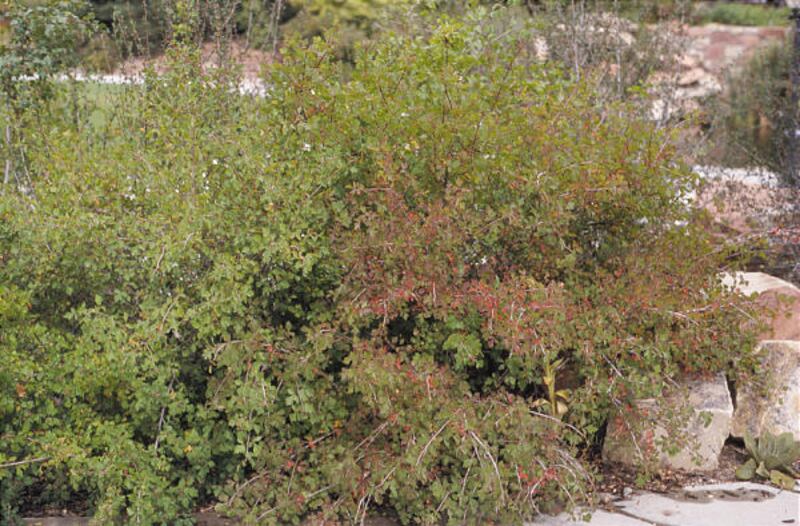
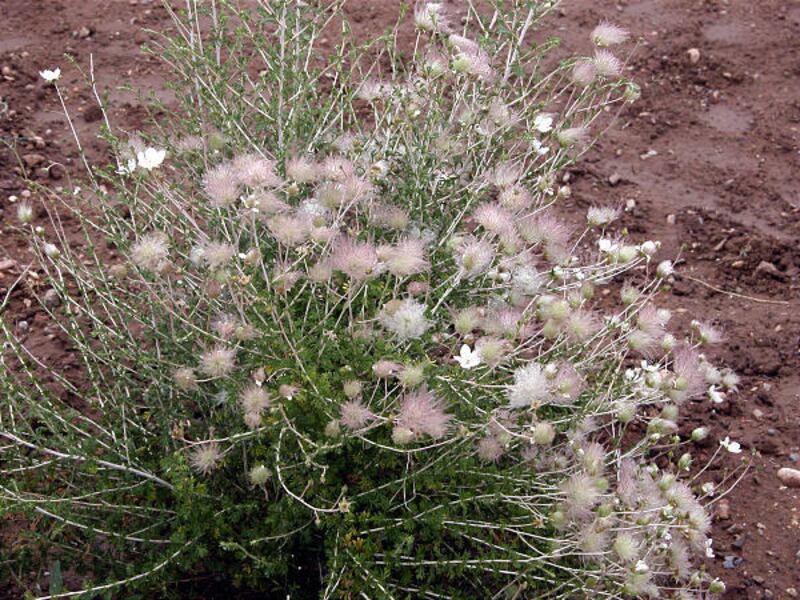
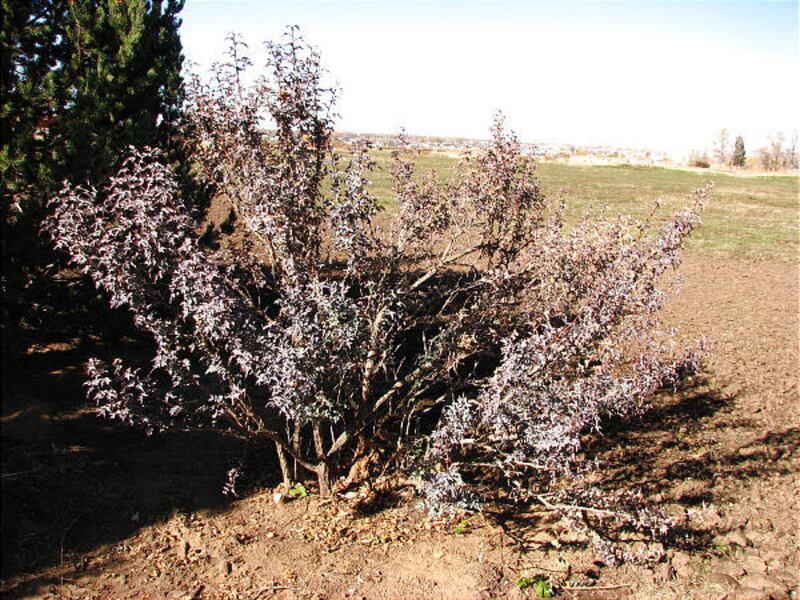
Plantings in the arboretum bearing his name reflect some of these useful plants. For shrubs, the list includes ephedra or Mormon tea, skunkbush sumac, Fremont barberry, Apache plume, dwarf smooth sumac and cliffrose.
Among his favorite deciduous trees are the Utah serviceberry, bigtooth maple and Gambel oak. Among the evergreen trees are Utah and Rocky Mountain juniper, pinyon pine and bristlecone pine.
Low water-use trees also include many of Varga's favorites. He reels off a list. "The Japanese tree lilac is an outstanding tree for our area. I also like the true Chinese or Lacebark elm that grows well here.
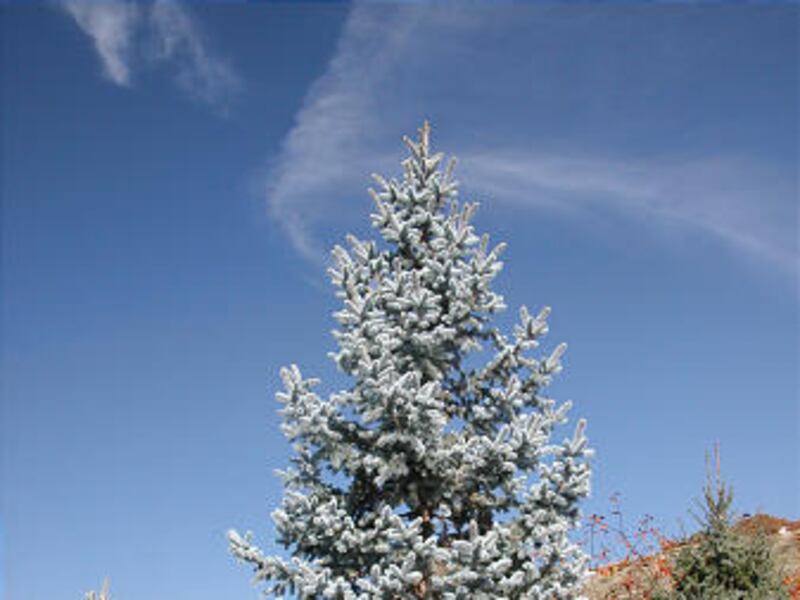
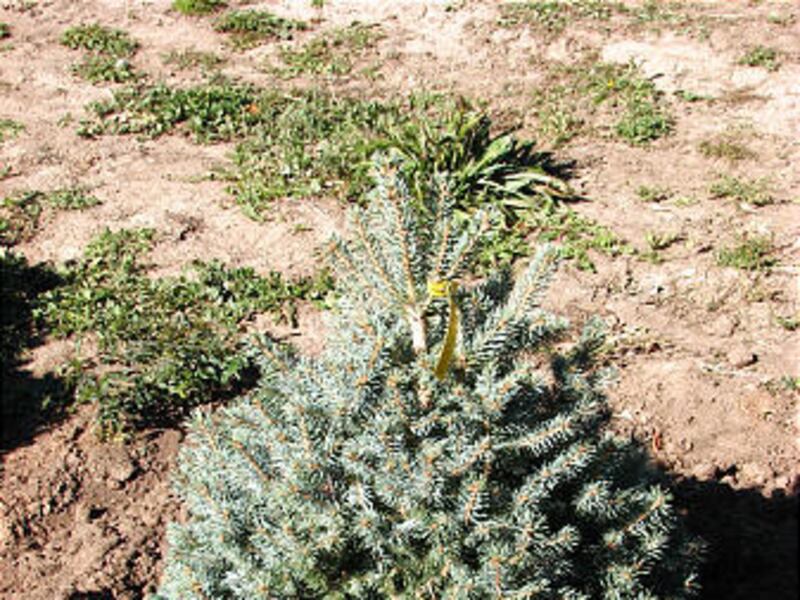
"I also like the white fir and the blue spruce. With the blue spruce you have to select cultivars that are not too large for the landscape. There are also many oaks that grow well here, and the bur oak is one of the toughest."
Look for "Bakerii," "Fat Albert," "Globosa," "Fastigiate" or "Sester's Dwarf" as smaller, more manageable cultivars. If you are looking for other unusual conifers in the arboretum, there are the weeping threadleaf arborvitae, weeping Norway spruce, Himalayan pine or Serbian spruce.
The moderate-use group includes some of his all-time favorites. He quoted noted tree authority Dr. Michael Dirr, saying, "A garden without a fragrant viburnum is like life without music."
"One of my most favorite plants is the Judd viburnum. It is very tolerant of our conditions, and it would be difficult to find a better plant for our area. This shrub was planted in 1984 and has never outgrown its area and blooms well every year," he added.
Varga also likes any kind of beech tree. The arboretum includes the European, fern-leaved, weeping, tricolor and a couple of other cultivars, including "Purple Fountain" and "Spaethiana." Beech trees grow well in Utah soils, provided the soil pH is moderate and they are reasonably well-drained.
Varga's legacy will long be an important part of Utah horticulture.
His favorite trees are now on display, so enjoy a part of it by visiting the arboretum bearing his name.
Larry A. Sagers is a horticulture specialist for the Utah State University Extension Service at Thanksgiving Point.