


In a previous column, we covered what iron chlorosis is and why it is such a serious problem for Utah gardeners.
Because it is such a frequent problem, this column will cover the treatment.
The problem is not lack of iron in the soil but a lack of availability.
To treat these problems, start first with the environmental conditions. If they cannot be changed, then you are going to have to treat the plants to get them the iron they need.
If you are going to try to add more iron to the soil, it is important to understand what works and under what conditions it works in Utah.
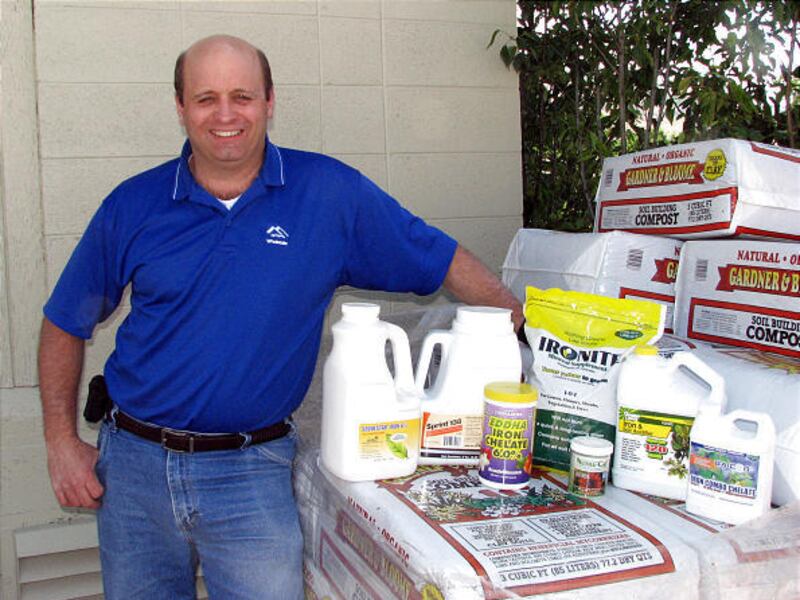
For that reason, I contacted Ken Holt, a product manager for Intermountain Farmers Association.
I posed the question to him as to what he recommended when home gardeners come to his store or when pest-control operators need to treat customer's plants that show iron chlorosis.
"With our high pH soils, we end up with many plants that suffer from iron chlorosis," Holt said. "We then have to add iron to correct it. We generally have to use a chelating agent that will work with a soil pH of 7.4 to 8.4."
Chelate means claw-like and refers to a complex organic molecule that binds to the iron so the soil does not deactivate it, thereby making it more available to the plant.
One problem when treating for iron chlorosis is that the more expensive it is, the better it works in high pH soils.
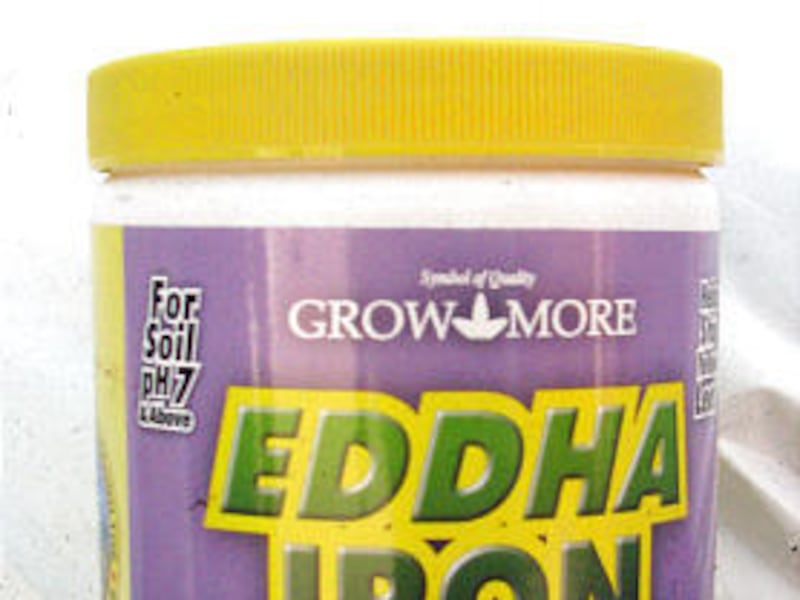
Hold explained the Cadillac of products is those that contain the chelating agent EDDHA, which is derived from sodium ferric ethylenediamine di-(o-hydroxyphenyl acetate). This imported product is produced by the pharmaceutical industry and is very expensive.
There are several compounds that contain EDDHA available at local nurseries. They include Sequestrene Sprint, Miller's Ferriplus Iron and Grow More EDDHA.
"Another product is Sequestrene 330, which is a less-expensive iron chelate. It works best when the soil pH is below 7.4, but some people prefer to try it because it is not as expensive as the EDDHA chelated formulations," Holt said.
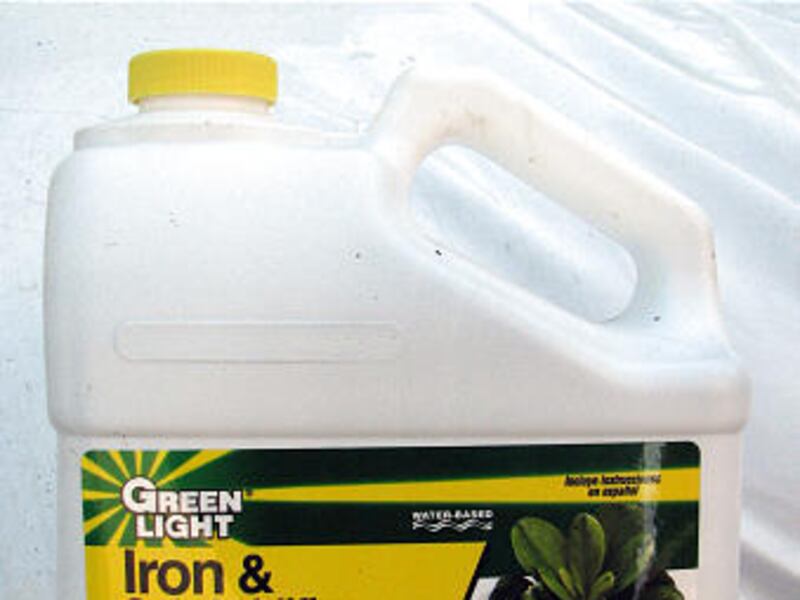
Chelating compounds also come from tree bark or other organic sources or synthetic organic molecules. These are sold under several brand names and formulated as dry or liquid products.
One local company that makes products to help correct chlorosis problems is Baicor LC, based in Logan. It specializes in fertilizers for home and garden markets that are formulated for local soil conditions.
There are numerous other iron compounds used to treat iron chlorosis.
For example, you might buy a bag of lawn fertilizer that contains a small percentage of iron.
"In our turf fertilizers," Holt remarked, "we use iron citrate to help control iron chlorosis and give the turf a rich, green color. This works because it is essentially a foliar application to the grass and does not tie up in the soil before the plant can absorb it."
"We use iron citrate in our formulations because it does not stain the concrete. Iron sulfate will do the same thing, but it causes permanent rust stains on the concrete. It works reasonably well on most lawns, unless the soil pH is extremely high."
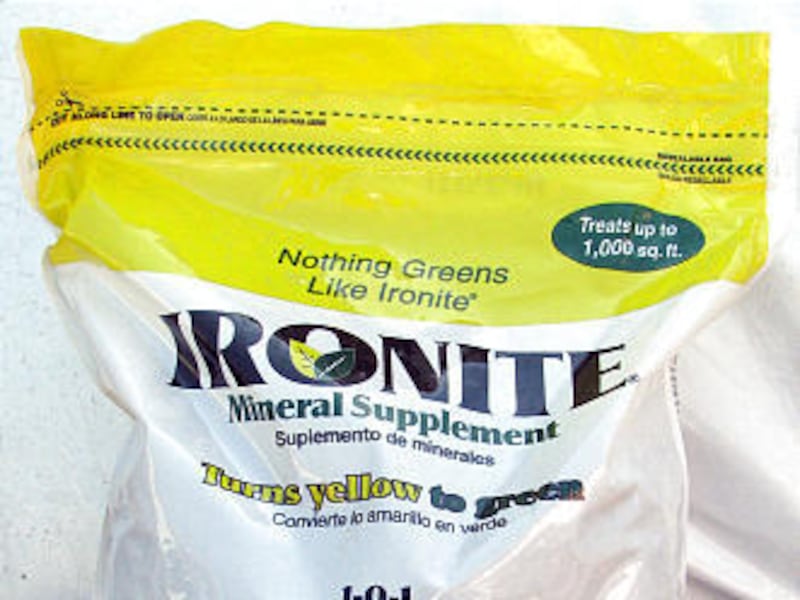
Other less-expensive products are also available. One widely sold product, Ironite, contains iron sulfate.
Holt explained Ironite has a "high sulfur content that helps to temporarily acidify the soil around the plants, so work it in around the plant, and then water it in. It works well on turf and on some plants if the soil pH is not too high."
"Another product we sell is called Dr. Iron," he said "It is 22 percent iron and 55 percent sulfur. It basically takes iron oxide and covers it with molten sulfur. As the sulfur dissolves, it releases the iron."
IronSul Soil Acidifier with Humic Acid is another way to treat chlorosis. It is acidic, so it lowers the pH, making the iron more available. It also has a small amount of zinc to supply that micronutrient.
Foliar sprays to the leaves often produce a quick response, but they are inconsistent and temporary. Trunk injection or implantation are effective but are best used if the tree does not respond to any other treatment method.
Iron chlorosis is our most troublesome micronutrient problem and needs a variety of environmental changes and treatment to keep your plants healthy. Start with the least expensive methods, but you might spend a lot of green before some kinds of plants turn green.
Larry A. Sagers is a horticulture specialist for the Utah State University Extension Service at Thanksgiving Point.