

MURRAY — Denver Snarr's family couldn't love him more than they did, but it wasn't enough to keep him alive. His addiction to Lortab absorbed — and finally ended — his life at 25.
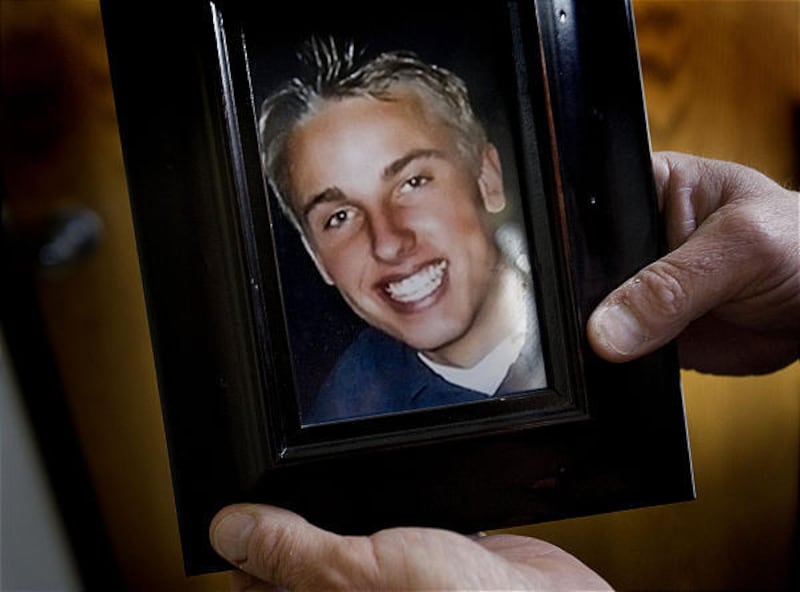
The charismatic young man, whose smile still looks out on the world from a family portrait, drew his last breath at home in a downstairs bedroom. He was poisoned by methadone — the second most deadly substance on Utah's prescription drug overdose list.
The son of Murray Mayor Dan Snarr, Denver's downward spiral started after an athletic injury at 17 gave him a taste of painkillers. He became one of hundreds of statistics in the Beehive State's ongoing tally of prescription overdose deaths.
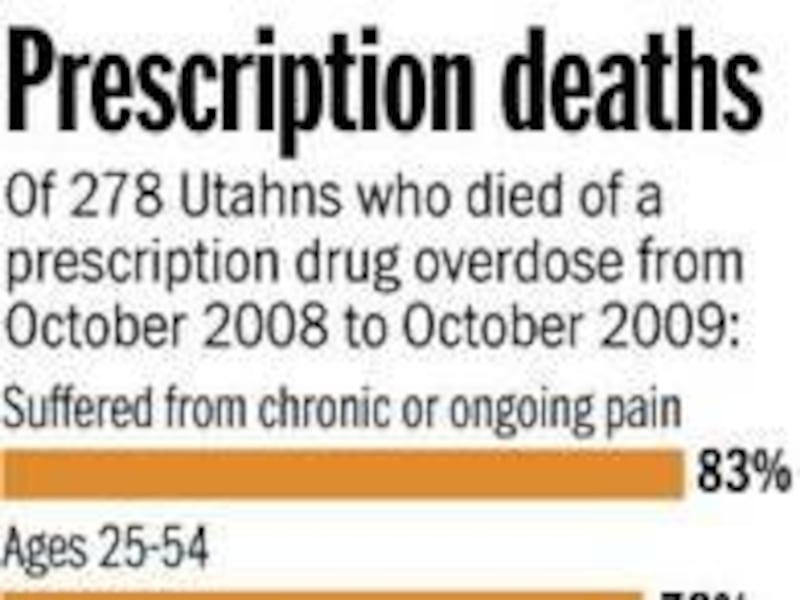
On Monday, state health officials released the results of their first-ever survey detailing the demographics of those who die of prescription drug overdose. It shows that of the 278 Utahns who died of a prescription drug overdose from October 2008 to October 2009:
83 percent suffered from chronic or ongoing pain
78 percent were between the ages of 25 and 54
49 percent had received treatment for prescription drug abuse.
Though he died nearly three years ago, in August 2007, Denver Snarr fit the profile. He took two of the four prescription drugs on the "most deadly" list: Lortab (hydrocodone) and methadone.
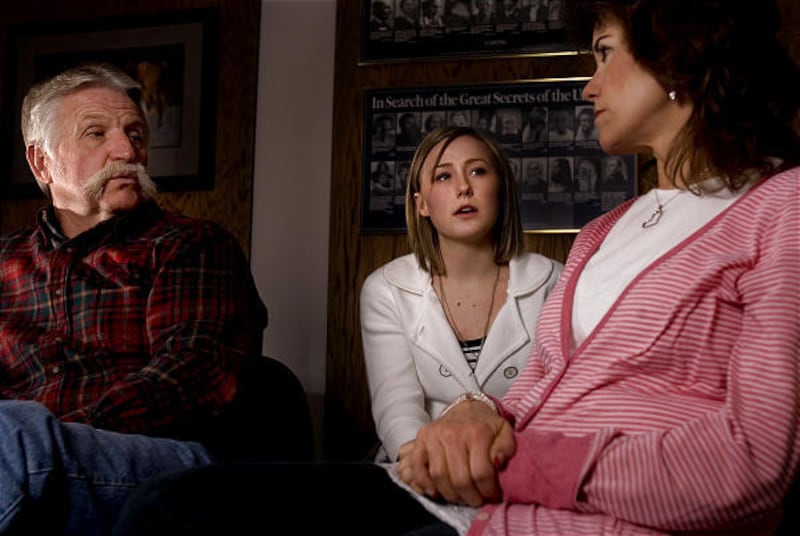
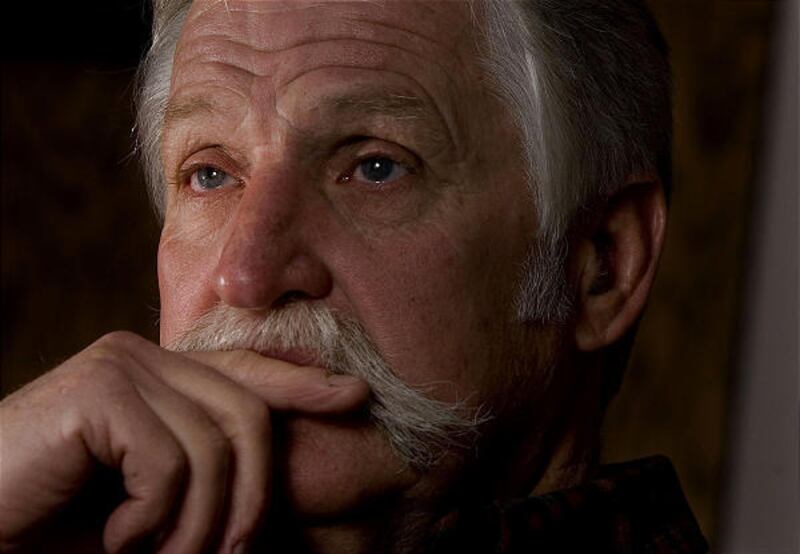
"He told us he was taking the methadone to help him get off the Lortab," says his father, Dan Snarr, who was the first to find Denver's body sprawled uncovered on a bed, his half-eaten dinner a testament to the power of an addiction that had replaced every other bodily desire. His once-athletic frame had wasted away in a feeding frenzy satisfied only by pills.
Because they couldn't save their son, the Snarr family decided to speak out in an attempt to help save others. With Denver as a catalyst behind one bill, at least a dozen proposals to criminalize possession or abuse of prescription drugs or controlled substances were adopted or debated during the 2010 legislative session by Utah lawmakers.
State officials hope as they continue to publicize the problem and encourage physicians to use more restraint in prescribing the drugs that they can capitalize on the 12.6 percent decrease in prescription overdose deaths that began in 2008 and stayed at the same level last year.
In the months before Denver died, his mother, April, had often checked her son as he slept to see if he was still breathing, she said. After seven years of trying to help him without success, there were no tears left when her husband delivered the news.
"I just had this overwhelming feeling that he was finally so happy and he didn't have to deal with it any more. I honestly felt (his death) was a blessing."
Like so many with his addiction, Denver became adept at "doctor shopping," says his father, who pleaded with more than one physician to refrain from writing him a prescription.
When he was living at home, his parents would find the pills and hide them. "He would literally break down and cry and tell me, 'Dad, I've got to have one. Just one,' " Snarr remembers.
But it was never just one.
Athletic injuries meant several surgeries during a seven-year period, and more access to the drugs he had become dependent on. And he found other avenues to get pills. "One Christmas, he took pills from my aunt's house and (extended family members) were talking about it," his sister Samantha, now 21, remembers. "I couldn't believe they would think that about my brother."
"The thing with him was, we didn't want to accept the fact that he was doing drugs. We were enabling him. … I think if we had recognized it earlier, he had a great support system and he could have figured it out."
After high school, Denver left home at one point to live with friends, but his father insisted he move back home when the extent of his debt from buying drugs became known. "He was in debt $15,000. I paid it off and told him he would need to pay me back."
They got him into rehab and counseling, "but after a while I could see he was really struggling with what life is all about," his father says.
His parents agree that his addiction became as much about dealing with his own emotional pain and failed expectations of himself as it did about the physical craving.
One day before he moved back home, Samantha says he walked in the house "wearing these skinny plaid pants with this long black hair," a far cry from the blond-haired, athletically built brother she had known growing up. "At that point I got scared. I knew something was wrong. … He was so adorable, but he stopped caring about how he looked. He didn't shower for weeks.
"When he was on something heavy, he didn't talk anymore. He became very secluded and shy."
Looking back, she can see how his personality changed as the addiction tightened its grip. "He thought he was invincible in a sense."
Though they mourned him, no one in the family was surprised by his death, and they specifically told the world of Denver's addiction in his obituary.
"We weren't going to dodge the bullet," his dad says. "He was on Lortab and he had figured out how to get them," despite rehab and his parents' attempts to keep them from him.
Denver's mother says parents can't think addiction problems won't happen to their children. And simply trying to love someone through it doesn't compete with the force of addiction.
"It can happen to anybody in any family," she says. "It's better to go overboard a little in saying 'You get in and get help.' You just don't stop. You have to keep after them."
e-mail: carrie@desnews.com