

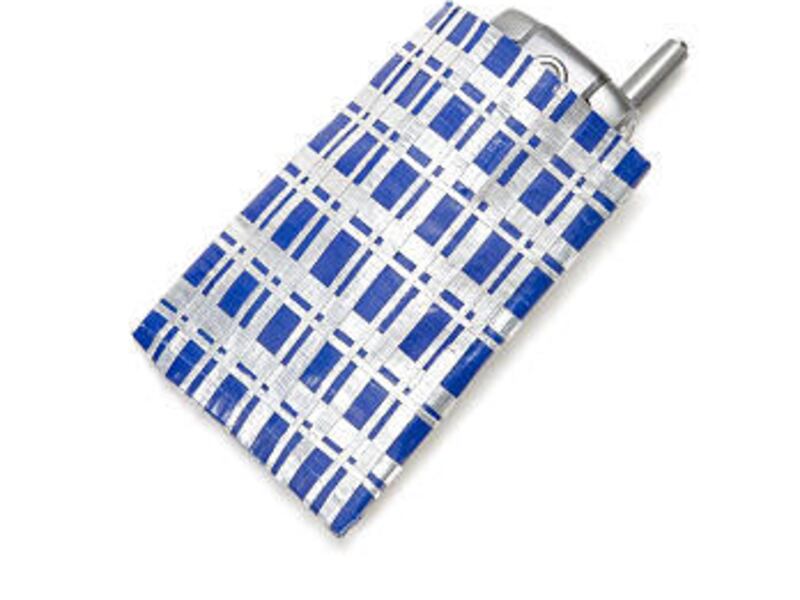
Duck Tape has become one of the most popular inventions to come out of the 20th century.
Because of its versatility, duck tape, as it was called when it was first produced during World War II, is used for household repairs, crafts, fashions and even to remove warts.
The adhesive was first manufactured in 1942 by Johnson and Johnson for the military to seal ammunition cases to keep water from getting inside. Because it was waterproof (think of the old saying, "like water off a duck's back") and was made with cotton duck fabric, it was called "duck tape."
The Army-green tape could easily be torn into pieces, which was another advantage to men and women in the military.
Troops, who quickly adapted it to fix guns, jeeps and aircraft, found it was just as effective when they returned home. Soon, it was used to connect heating and air conditioning duct work and became known as "duct tape." Manufacturers changed the color to silver to match.
In the 1970s, different grades and colors of duct tape became available, and we learned its uses were only limited by one's imagination and creativity.
Today, it comes in 20 colors as well as tie-dyed red and blue, and camouflage-green prints.
A few years ago, innovative teens began using the adhesive to make formal wear for high school proms. This year, the manufacturers of Duck Tape brand duct tape will offer 20 scholarships to students who make the best prom outfits and enter their creations online.
Contestants can transmit photos of their outfits to www.duckbrand.com/Home/Promotions/stuck-at-prom.aspx. Judges will choose 10 finalists, who will then be voted on by the public.
The folks at ShurTeck Brands LLC in Avon, Ohio, provided these instructions so you can make a case for your electronic games, cell phones and MP3 players with duct tape.
I modified the directions slightly for younger readers.
Supplies you will need:
Scissors.
Duck Tape brand duct tape in your favorite colors.
Tear off a strip of Duck Tape that is about 2 inches longer than your electronic device, and place it on a flat surface sticky side down.
Tear three to four strips of the same size and place them next to each other overlapping the edges just slightly to create a "sheet" of Duck Tape.
Carefully pull the sheet up and turn it over, sticky side up. Cover this side with overlapping strips going in the opposite direction.
Fold the sheet in half to create the body of the case and then tape the two sides with small pieces of another color of Duck Tape to seal the edges. Trim any excess.
Use other colors or patterns to add designs to your case.
(c) 2010, Akron Beacon Journal (Akron, Ohio).